Black bean berry, commonly known as blackcurrant, is a small, jet-black berry with a sweet-and-sour taste.
Black bean berry is a colloquial folk name, and the most common thing it refers to is blackcurrant, that is, the blackcurrant everyone knows. When ripe, this berry is glossy jet-black, small and round, looking very much like little black beans, which is how it got the name black bean berry in Northeast China and elsewhere. In the spoken language of some regions, people also call the seeds of black beans black bean berries, referring to the type of soybean with a jet-black seed coat.
First, blackcurrant. It is a deciduous shrub that likes a cool, moist climate and has fairly strong cold resistance, and it is grown in relatively large amounts in cool regions such as Northeast China. The fruit is richly sweet-and-sour, and besides being eaten fresh, it is more often processed into foods such as juice, jam and fruit wine, making it a very typical processing-type small berry; in folk usage it is also often eaten as a fruit for supplementing vitamin C.
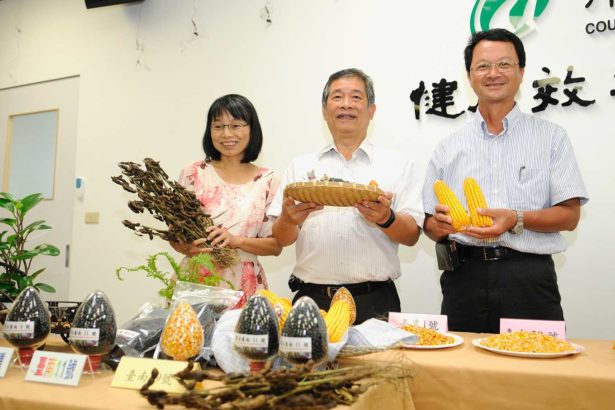
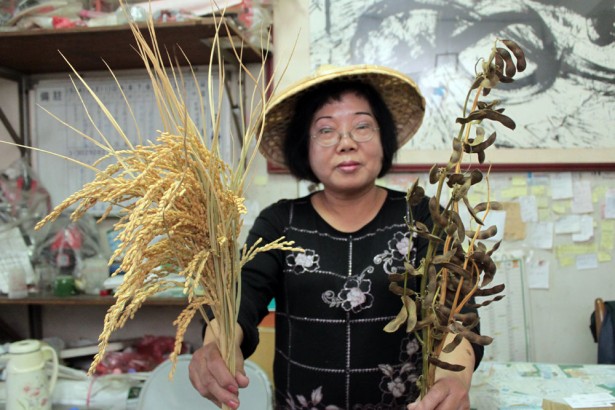
Now, black beans. The black color of the black bean seed coat comes from anthocyanins, and the bean itself has a fairly high protein content and quite a wide range of uses: it can be ground into soy milk, made into fermented black beans, stewed in dishes, or roasted and brewed into black bean tea. In terms of cultivation, black beans are generally sown in spring after temperatures steadily rise again, and the exact timing is adjusted according to local climate and variety; farmers in places such as Xiluo and Houlong in Taiwan, China, grow black beans to brew soy sauce or make local specialty products.
There are also little tips for buying and storing. When buying berry-type black bean berries, choose ones with plump fruit, intact skins and no leaking juice or damage; when buying black beans, those with dry, plump beans and no insect damage or musty smell are best. Both are suitable for storing in a cool, dry place; fresh berries do not keep long, so it is better to eat or process them soon after buying.
Related reading