A Detailed Guide to Growing Osmanthus Trees from Seed, Covering the Whole Process from Seed Selection to Seedling Raising
Growing osmanthus trees from seed refers to the whole set of methods for sowing the seeds of ripe osmanthus fruit to raise seedlings. Osmanthus seeds have a hard outer shell and a pronounced after-ripening trait, so after harvest they need a period of storage in damp sand before they will germinate normally. Compared with vegetative propagation methods such as cuttings and grafting, growing from seed is slower to show results, but it is suitable for raising rootstock and landscaping saplings in bulk.
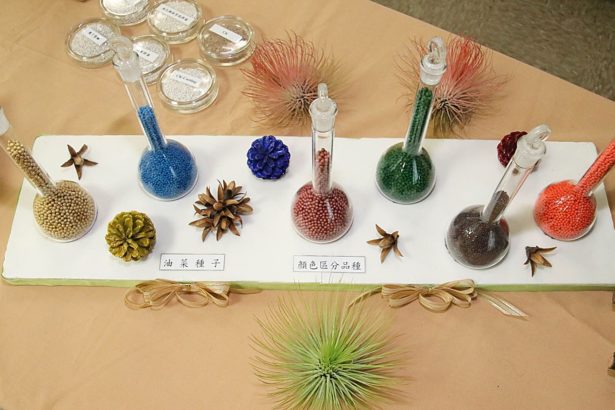
Seed collection is generally carried out when the fruit turns from green to blue-purple or dark brown. After gathering the fruit, pile it up for several days until the flesh softens, then rub and wash away the flesh, float off the shriveled seeds that rise to the surface, and take the plump seeds that sink to the bottom and dry them in the shade. Then mix the seeds with moist river sand and store them in stratified layers in a cool, ventilated place, keeping the sand moist and preventing mold during this period; by the following spring, when the seeds show white sprouts, they can be sown.
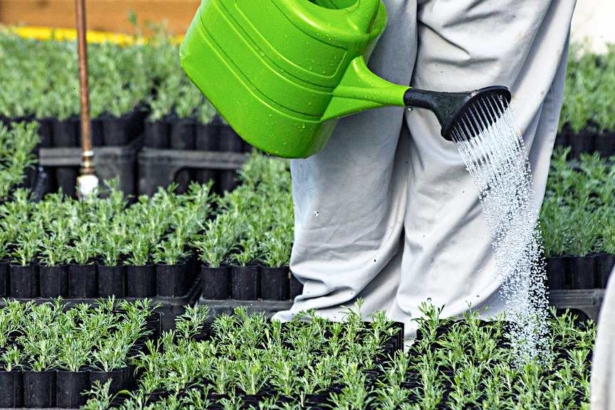
The sowing nursery should be on flat sandy loam with convenient drainage and irrigation and a deep soil layer; after applying plenty of rotted organic fertilizer, work the soil and make beds. Drill sowing is mostly used, sowing the seeds evenly into the furrows, then covering with soil and mulching with grass to retain moisture. During the emergence period, pay attention to shading and watering, keeping the bed surface moist but not waterlogged; after the seedlings emerge, gradually remove the mulch, thin and fill in seedlings in time, and carry out loosening of the soil, weeding and appropriate topdressing.
Osmanthus seedlings grow rather slowly and need careful management for several years before they can leave the nursery and be transplanted. Common problems are low germination rates and uneven emergence, mostly caused by seeds not having undergone sufficient after-ripening or by improper dryness and moisture during sand storage; at the same time, attention should be paid to controlling damping-off and soil-dwelling pests. If you wish to preserve the superior fragrance and flowering traits of the mother plant, commercial production more often uses cuttings or grafting, while sowing is mainly used to raise rootstock and large quantities of saplings.
Related Reading