A Complete Guide to Earthworms: Meet the Natural Tillers of the Soil
The earthworm is a common terrestrial annelid belonging to the phylum Annelida, class Oligochaeta. Its body is made up of segment after segment, and it likes to live in moist, loose soil rich in organic matter. During the day they mostly hide in the soil layers, and only crawl to the surface at night or after rain. Earthworms feed on decaying fallen leaves, dry grass and organic debris in the soil, and have long been regarded as a natural helper for improving soil.
Earthworms have no eyes or ears. They mainly rely on sensory cells on the body surface to sense light and vibration, and breathe through their moist skin, so they can hardly survive once the environment becomes too dry. They are hermaphroditic animals that reproduce by cross-fertilization. When breeding, they secrete egg cocoons, and the young live independently after hatching. Some species of earthworms also have a certain ability to regenerate after local damage to the body.
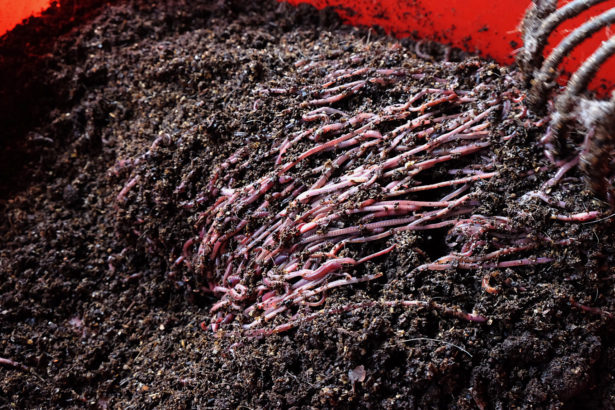
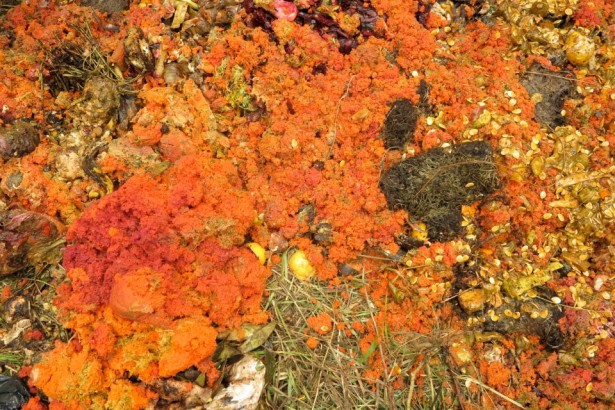
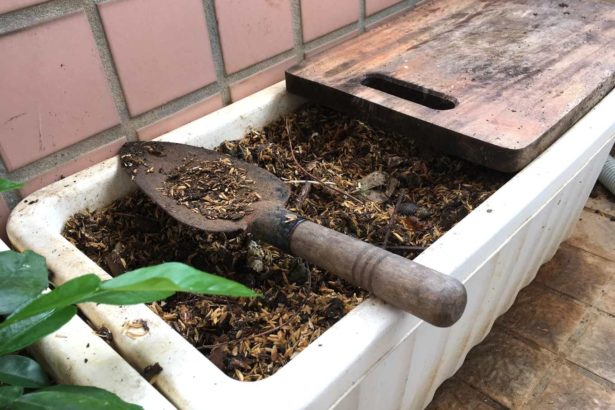
In agriculture, earthworms burrowing through the soil can loosen it and increase both air permeability and water retention. Their excrement, commonly known as worm castings, is a high-quality organic fertilizer with mild nutrients. Many people also use earthworms to deal with kitchen scraps and agricultural waste, turning fruit peels, vegetable leaves and the like into fertilizer. This kind of vermicomposting is very common in home gardening and ecological farms.
It should be noted that not all earthworms are suitable for keeping or releasing at will. Non-native earthworms have strong reproductive capacity, and once they spread widely into the wild, they may change the local soil environment and deal a blow to the native ecology. Therefore, before breeding them you should first understand the source of the species and properly manage the breeding environment. Never discard or release them into the wild at will, so that earthworms can truly play their role in improving the soil.
Related Reading