Detailed Video Guide to Loach Farming Techniques in Rice Paddies: The Complete Rice-Loach Co-Cropping Process
Rice paddy loach farming technique videos are a type of agricultural instructional video filmed in rice paddy settings, mainly showing the complete process of raising loach in rice paddies. They are also often called practical records of the rice-loach co-cropping or rice-loach symbiosis model. Watching this kind of video lets you intuitively understand how loach and rice work together in the same field, and the operational details are easier to grasp than in text-only materials.
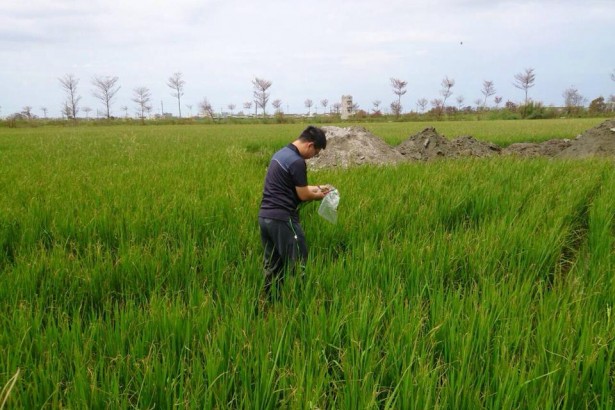
The videos usually present several key stages, including rice paddy modification, digging fish trenches and fish pits, installing escape-prevention nets, stocking loach fry, and daily water level and water quality management. Because loach like to burrow into the mud, the field ridges generally need to be raised and reinforced appropriately, and the water inlet and outlet should also be fitted with blocking nets to prevent the loach from escaping. These details often have close-up demonstrations in the videos, making it easy for farmers to follow along and learn.
Different videos have somewhat different emphases: some focus on rice paddy preparation and facility construction, some mainly explain feeding, water changes and disease prevention, and others record the harvest stages of both rice and loach. For those new to rice-loach co-cropping, it is advisable to watch several videos from different stages, understand the whole season's process as a connected sequence, and then make appropriate adjustments based on local water sources and rice paddy conditions.
The value of this kind of video lies in making farming experience intuitive, helping farmers avoid detours, and also reflecting the ecological agriculture direction of integrated rice paddy farming. Loach activity in the field loosens the soil, their excrement fertilizes the field, and the rice provides loach with shade and a place to rest. The two are mutually beneficial symbionts, and this is a common way to increase income in many rice-growing areas.
Related Reading