Rice-field eel farming technique boosts a double harvest of rice and eels
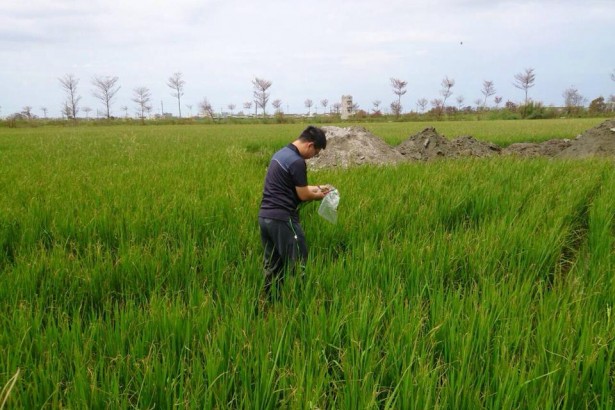
Rice-field eel farming technique refers to an integrated rice-fishery farming method in which eels (Monopterus albus, Asian swamp eel) are stocked in the same field where rice is grown, and it is relatively common in the rice-growing regions of southern China. The rice provides eels with a shaded, cooler shallow-water environment, while insects, snails, and small fish and shrimp in the field serve as natural bait; the eels burrow to loosen the soil and prey on insect pests, and their excrement in turn nourishes the rice, so the two form a mutually beneficial symbiotic relationship. Before adopting this technique, the rice field generally needs to be modified first. The field ridges need to be raised and tamped solid, and escape-prevention nets should be installed at the water inlet and outlet, because eels are good at burrowing and will escape at the slightest lapse; fish ditches and fish pits should also be dug in the field so that the eels have places to shelter when the field is dried, fertilized, or the water level drops. The eel fry to be stocked should preferably be individuals with a strong physique and uniform size, and they should be disinfected before being put into the field. In daily management, the water level should be adjusted flexibly with the growth of the rice, taking into account the activity needs of the eels. Eels are somewhat carnivorous and can be fed earthworms, small miscellaneous fish and shrimp, and compound feed, with feeding carried out at fixed times and fixed locations to avoid leftover bait fouling the water quality. When preventing and controlling rice diseases and pests, choose low-toxicity, low-residue pesticides as much as possible, and avoid applying pesticides during high-temperature periods to reduce the impact on eels. This model requires relatively low investment, yields both rice and eels, helps improve the overall efficiency of the rice field, and also reduces the amount of chemical fertilizers and pesticides, playing a positive role in improving the field ecology. During the farming period, the escape-prevention facilities should be checked frequently, and attention should be paid to water quality and weather changes, with abnormalities handled promptly, so as to ensure that the eels grow smoothly and are harvested at the right time.
Related Reading