An Analysis of Garlic's Benefits and Effects: Understanding Garlic's Nutritional Value Scientifically
Garlic is a perennial herbaceous plant of the genus Allium. The garlic bulb we usually eat is its bulb, which is both a common seasoning ingredient and can be eaten as a vegetable. It is cultivated throughout both northern and southern parts of our country, and its pungent, intense character makes it one of the indispensable spices in the kitchen.
From a nutritional standpoint, garlic contains allicin, sulfur-containing compounds, and various vitamins and minerals. Allicin is gradually produced after garlic is chopped or crushed, and it is also the main source of the garlic flavor and pungency. Folk tradition often holds that garlic has effects such as killing bacteria, stimulating the appetite, and promoting digestion. These claims are widely circulated, but as an ordinary ingredient, it should be regarded as part of the daily diet, and its effects should not be exaggerated.
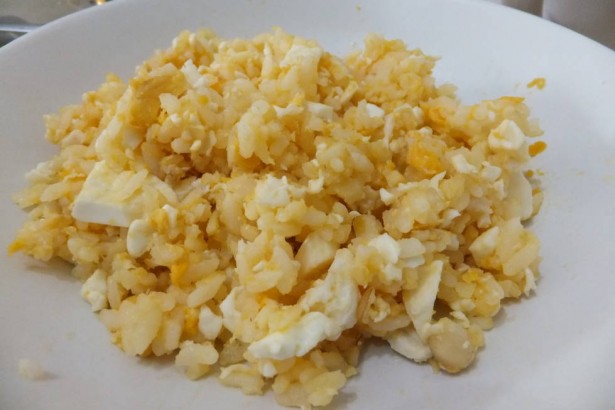
As for eating, garlic can be eaten both raw and cooked. When eaten raw, the garlic is usually smashed or minced, left to sit for a moment, and then used in cold dishes or dips, which gives a fuller flavor; when cooked, it is mostly used to flavor hot oil, and it is very common in stir-fries, stewed meat, and garlic paste sauces. Home-style dishes like garlic fried rice are likewise inseparable from the calculation, no, inseparable from the garlic aroma that enhances the flavor.
It should be noted that raw garlic is pungent and irritating, and eating too much on an empty stomach or in one sitting can easily cause gastrointestinal discomfort, so people with weak gastrointestinal function should reduce the amount as appropriate. After eating garlic, the breath odor is quite noticeable, and it can be alleviated by pairing it with milk, tea leaves, and the like. For daily storage, keeping the garlic bulbs in a dry, ventilated place and avoiding moisture and sprouting will help maintain good quality for a longer time.
Related Reading