Garlic disease control requires a comprehensive approach starting with seed selection, crop rotation and field management
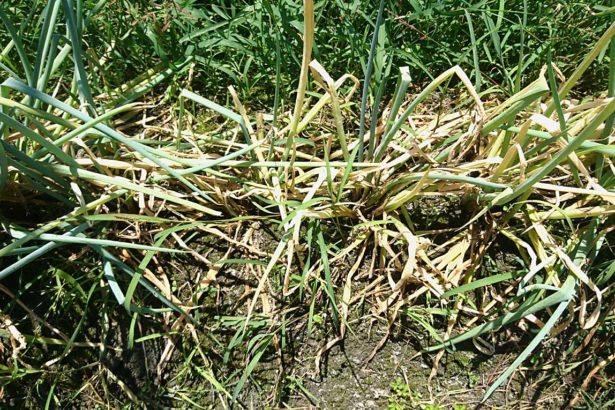
Garlic disease control refers to the process of preventing and managing fungal, bacterial and viral diseases that occur during the growth period of garlic, using a variety of agricultural, physical, chemical and biological methods. Common garlic diseases in production include leaf blight, purple blotch, rust, white rot, soft rot and viral diseases, which tend to occur more severely under conditions of high temperature and high humidity, waterlogging in the field, or garlic seed carrying pathogens.
Agricultural control is the foundation of garlic disease control. Before sowing, it is advisable to select plump, healthy garlic seed free of injury and disease, and to reduce seed-borne diseases by sunning the seed or treating it with seed dressing chemicals; at the same time, rotate with non-allium crops for two to three years to avoid continuous cropping, which leads to the accumulation of pathogens in the soil. During land preparation, deep plowing and sunning of the soil, applying sufficient decomposed organic fertilizer, and maintaining a reasonable planting density to keep the field well ventilated and well lit can enhance the plant's own disease resistance.
In terms of field management, drain water promptly after rain to reduce humidity, and avoid flood irrigation; watering should preferably be done on sunny days. If diseased plants are found during inspection, they should be pulled out as soon as possible and taken out of the field for disposal, to prevent the pathogen from spreading with rainwater and farming operations. In the early stage of disease, targeted chemicals can be selected for spraying or root drenching according to the type of disease; note to rotate the chemicals used and observe the pre-harvest interval, so as to delay the development of chemical resistance.
Overall, garlic disease control should adhere to the principle of prevention first and integrated control, achieving early detection and early treatment, so as to effectively reduce losses in yield and quality. After harvest, promptly remove diseased plant residues from the field and dispose of them in a centralized manner to keep the garden clean, which can significantly reduce the sources of primary infection the following year and lay a good foundation for high-quality, high-yield garlic.
Related Reading