A Detailed Guide to Sowing and Raising Codonopsis Seedlings and Their Germination Characteristics
Codonopsis is a perennial herbaceous plant of the genus Codonopsis in the Campanulaceae family. Its root is a commonly used Chinese medicinal material, and Codonopsis seeds are the main source for propagating Codonopsis. Codonopsis seeds are tiny and light, so sowing requires careful handling to ensure even and uniform seedling emergence.
The germination ability of Codonopsis seeds is closely related to how fresh they are. Generally speaking, newly harvested seeds have a higher germination rate, while germination ability declines noticeably when seeds are stored for too long. For this reason, growers are often encouraged to use recently harvested seeds, and during storage the seeds should be kept in a dry, cool, and well-ventilated place.
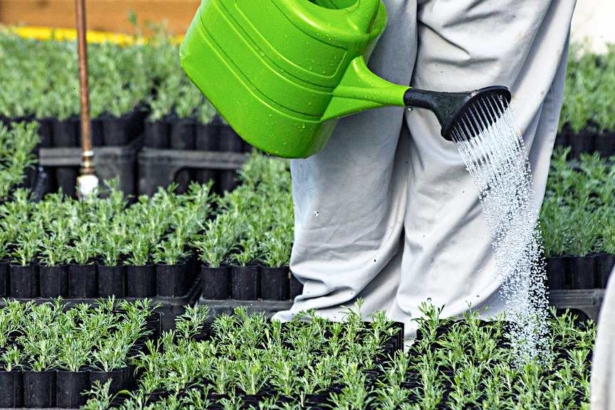
Sowing is mostly carried out in spring or autumn, and can be done in rows or by broadcasting. Because the seeds are tiny, the soil covering should be shallow; after sowing, press the soil down appropriately and keep it moist. Many growers soak the seeds in warm water before sowing to prompt earlier germination. During the seedling stage, attention should be paid to moderate shading and timely weeding, and once the seedlings reach a certain height they are transplanted and established in the field.
Codonopsis is used medicinally for its root, and it is traditionally believed to have the effect of tonifying the middle and supplementing qi. Market demand is relatively stable, and seed quality directly affects the yield and quality of the medicinal material. When purchasing seeds, one should identify authenticity and avoid seeds of closely related plants being mixed in. In addition, Codonopsis usually needs to grow for more than two years before it flowers and sets seed; when collecting seeds, vigorous plants can be selected, and once the fruit ripens it should be harvested promptly and dried, preparing for sowing the following year.
Related Reading