Preventing and treating green onion diseases starts with field management and targeted spraying
Disease prevention and control in green onions refers to the process of preventing and managing the various diseases that readily occur during the growth of Welsh onions, scallions, bulb onions and other allium crops, using a combination of agricultural, physical, biological and chemical methods. Allium crops have hollow leaves and tender tissues, so once infected, disease often spreads quickly; sound prevention and management is an important part of safeguarding yield and quality.
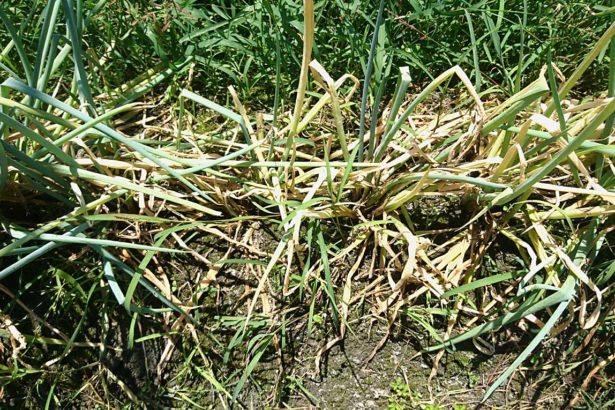
Common diseases on green onions can be broadly divided into three types: fungal, bacterial and viral. Fungal diseases such as downy mildew, purple blotch, rust and gray mold mostly occur under conditions of high humidity, frequent rain and a dense, closed canopy in the field; bacterial diseases, represented by soft rot, often invade through wounds or the base of the leaf sheath, causing tissues to soften and rot with an off odor; viral diseases are mostly spread by vectors such as aphids and thrips, and diseased plants often show stunting, leaf yellowing or crinkling.
Agricultural control is the foundation of green onion disease prevention and control. In production, it is advisable to rotate with non-allium crops to reduce the year-after-year buildup of pathogens; choose plots on higher ground with convenient drainage and irrigation, and clear ditches and drain promptly after rain to lower field humidity; plant at a reasonable density, maintain ventilation and light penetration, avoid excessive nitrogen fertilizer, and appropriately increase organic and potassium fertilizer to strengthen plant resistance; after harvest, remove diseased plant residues from the field to reduce sources of infection for the next season.
After disease occurs, spray according to the type of disease. For fungal diseases, choose the corresponding fungicide; for bacterial diseases, copper-based preparations and the like are mainly used. When spraying, make sure the front and back of the leaves are evenly covered with the spray, and observe the pre-harvest interval. Microbial preparations, seed coating treatments and other techniques can also be used for early prevention. Prevention and control should be done early rather than late; once a central diseased plant is found, it should be promptly pulled out and taken out of the field for disposal to prevent the disease from spreading.
Related reading