Silkworm Pictures: A Complete Guide to Every Stage from Ant Silkworm to Silkworm Moth
The silkworm is the common name for the larva of the domesticated silkworm moth, an insect in the family Bombycidae of the order Lepidoptera, and it has been an important economic insect since ancient times. Silkworm pictures usually document its complete life cycle from egg to larva, pupa, and adult, and serve as basic reference material for people getting to know silkworms.
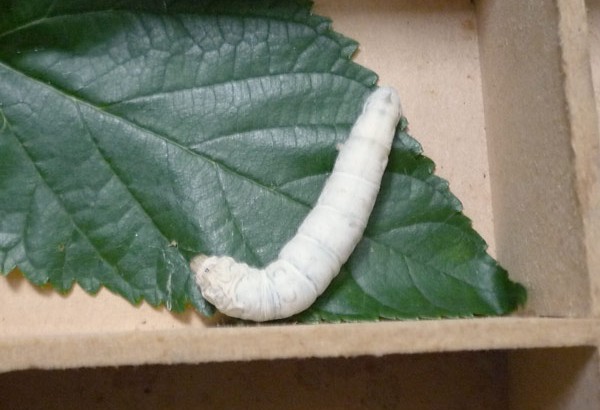
In commonly seen pictures, the newly hatched larva is also called the ant silkworm; its body is dark brown and tiny, and it looks very much like an ant. As it keeps feeding on mulberry leaves, the silkworm's body gradually turns milky white, with clearly defined body segments and smooth skin; by the mature silkworm stage the body is plump and translucent and can reach several cm in length. After it spins a cocoon and pupates, the white or yellow oval cocoon can also be seen in pictures.
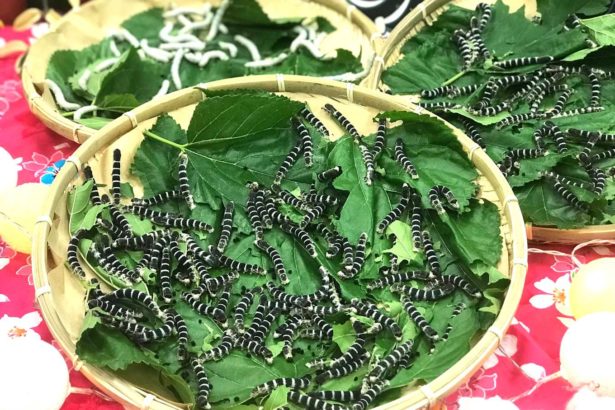
As for varieties, besides the common white silkworm, there are also some distinctive varieties with darker body colors or markings, such as the Black Whirlwind silkworm with its glossy black body and prominent lines; these differences in appearance are often obvious at a glance in pictures.
Silkworm pictures also have a fairly wide range of uses. In teaching they are often used to explain the process of insect metamorphosis; silkworm farmers can use the pictures to judge the larval instar and the health status of the silkworms, and people who like keeping pet silkworms can also use the pictures to learn to recognize the features of the different stages.
One thing to keep in mind is that when looking at silkworm pictures, you should distinguish the forms of the different growth stages to avoid mistaking normal molting and body color changes for illness. If a silkworm in a picture shows poor appetite, abnormal body color, or similar signs, further judgment of the cause is needed together with the written description.
Related Reading