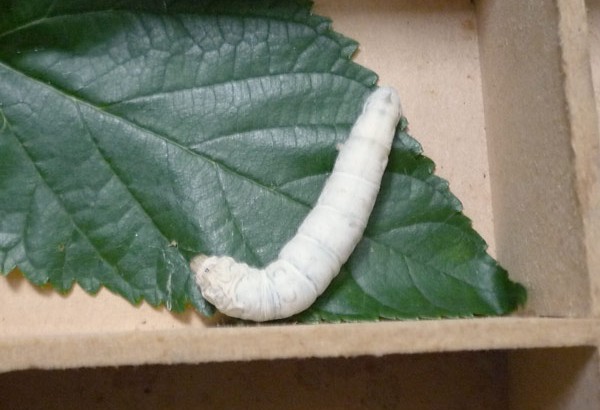
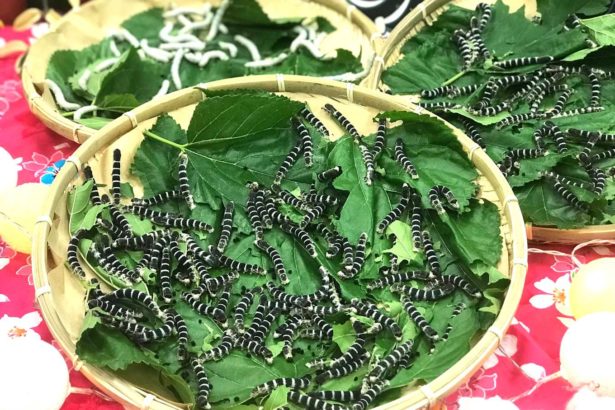
A photographic record of the silkworm's growth process, capturing the complete transformation from egg to moth
Silkworm growth process pictures refer to photographic records of the complete life changes of the silkworm (Bombyx mori) from egg to silkworm moth. They are often used in nature class teaching and parent-child silkworm-raising observation, and are also a common resource when silkworm-raising enthusiasts exchange experiences.
From the pictures, the main stages of the silkworm's life can be clearly seen: first, rice-grain-sized silkworm eggs hatch into tiny black ant silkworms; during the larval stage they feed on mulberry leaves (Morus alba), gradually grow larger and turn white, and go through several molts, during which they neither eat nor move before and after molting, which is often mistaken for illness; after maturing, the body becomes translucent and they begin to spin silk and form a cocoon, pupate inside the cocoon, and finally emerge as silkworm moths and lay eggs, completing one generation.
The value of such pictures lies in making up for the limitations of naked-eye observation. Details such as the moment of molting, the posture of silk spinning, and the pupa inside the cocoon can be frozen and preserved through actual photographs, making it convenient for before-and-after comparison and learning, and they are also often used by teachers to explain the process of complete metamorphosis in insects.
If you want to take clear growth process pictures yourself, you can pay attention to a few points: choose soft light when shooting and avoid flash so as not to disturb the silkworms; take photos regularly according to the instar stages and record key nodes such as molting and cocoon spinning. For rearing, keep the environment clean and dry, provide fresh mulberry leaves, and try to touch them directly with your hands as little as possible, and the silkworms will be able to complete the entire growth process smoothly.
Related Reading