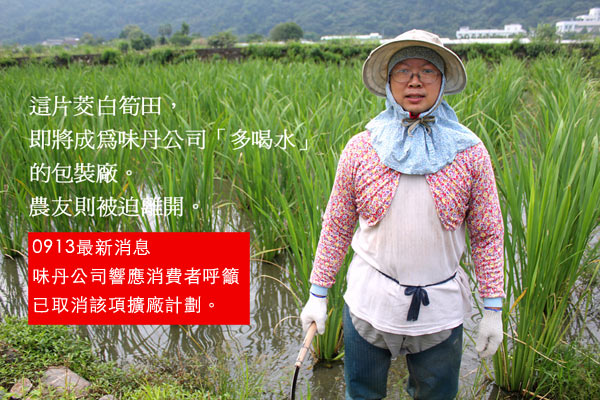
Key Points of Water Bamboo Cultivation Techniques: A Complete Guide to Seed Selection, Water Management and Harvesting
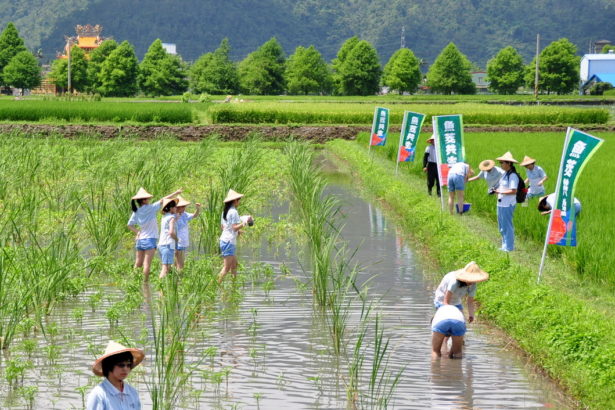
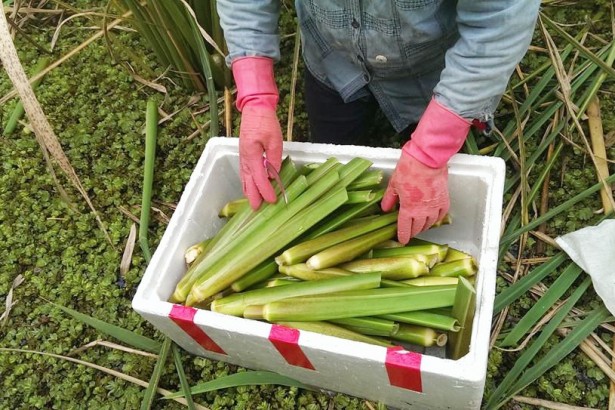
Water bamboo (Zizania latifolia) is a perennial aquatic vegetable of the genus Zizania in the grass family. The edible part is the fleshy stem formed when the stem is parasitized by the smut fungus Ustilago esculenta and swells. It prefers a warm, humid climate and is suitable for planting in paddy fields, shallow ponds or alongside ditches, requiring an ample water supply, clean water quality and convenient irrigation and drainage. Mastering a complete set of cultivation techniques is the foundation for ensuring the quality and yield of water bamboo.
When selecting varieties, choose ones with strong adaptability and uniform shoot formation according to local climatic conditions. Water bamboo varieties are generally divided into two types: single-season water bamboo and double-season water bamboo. Transplanting is mostly carried out after temperatures rise in spring, using vigorous old water bamboo clumps divided into seedlings for transplanting, with reasonable row and plant spacing maintained; after planting, a shallow water layer is kept to help the seedlings survive and turn green as quickly as possible.
The core of field management is water level regulation: keep shallow water in the early tillering stage to promote tillering, gradually deepen the water level once the shoot-forming stage begins so that the edible flesh becomes tender and white, and keep the water level stable during the harvest stage. Fertilization should be based mainly on basal fertilizer, with appropriate topdressing during the tillering and shoot-forming stages, but nitrogen fertilizer should not be applied excessively, otherwise the plants tend to grow excessively and delay shoot formation. In the mid-growth period, combine field weeding with the removal of withered and yellow old leaves to improve ventilation and light conditions in the field.
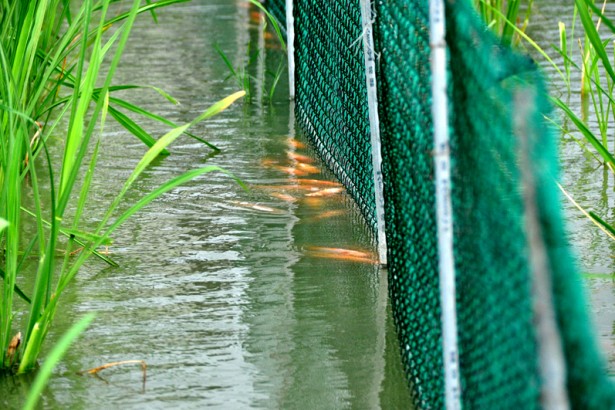
During cultivation, male water bamboo and gray water bamboo phenomena are common, manifesting as plants that fail to form shoots or edible flesh that turns black. These should be identified promptly, and the diseased plants should be dug out together with their underground rhizomes to prevent spread. As for pests and diseases, watch out for stem borers, leaf rust and the like. You can also try raising fish or ducks in the water bamboo field, which can both suppress harmful organisms such as golden apple snails and achieve two harvests from one field, increasing income. Harvesting is best when the edible flesh has clearly swollen and the tip leaves show white but have not yet become tough; harvesting in good time gives the best taste.
Related Reading