A Complete Guide to the Leaf Morphology and Traditional Uses of Crape Myrtle
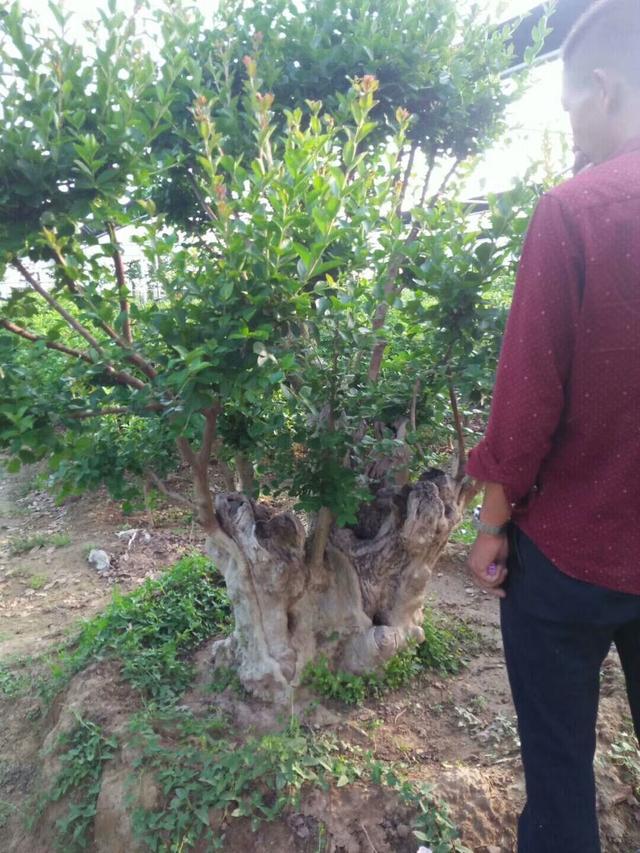
Crape myrtle leaves are the leaves of the crape myrtle plant (Lagerstroemia indica) in the Lythraceae family. Crape myrtle is a deciduous tree or shrub, and its leaves are mostly elliptical, ovate, or obovate, papery, with entire margins and acuminate tips, usually arranged oppositely or nearly oppositely as single leaves, with relatively short petioles. When new leaves emerge, they often carry a reddish-brown or bronze tone, later turning bright green, and in autumn they yellow and then turn red, giving a fairly rich range of color changes throughout the year.
Crape myrtle leaves differ slightly among varieties. The leaves of common crape myrtle are relatively broad, while varieties such as dwarf crape myrtle have smaller, denser leaves, with slightly different color and gloss, which can serve as a reference when identifying varieties.
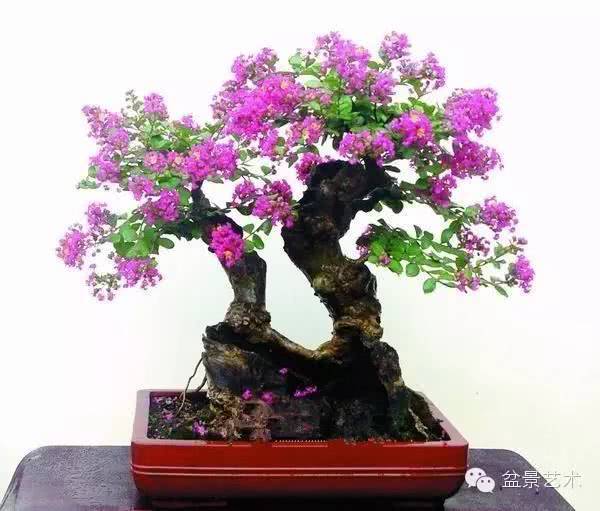
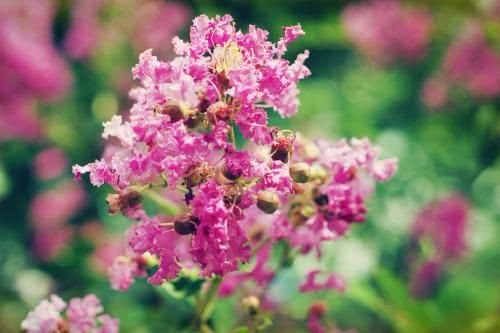
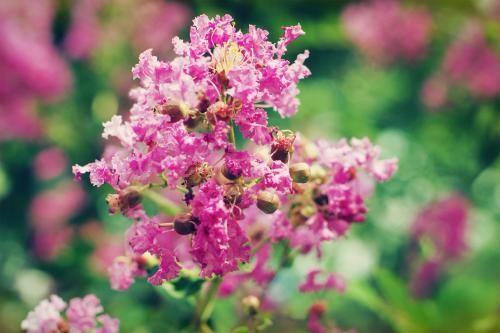
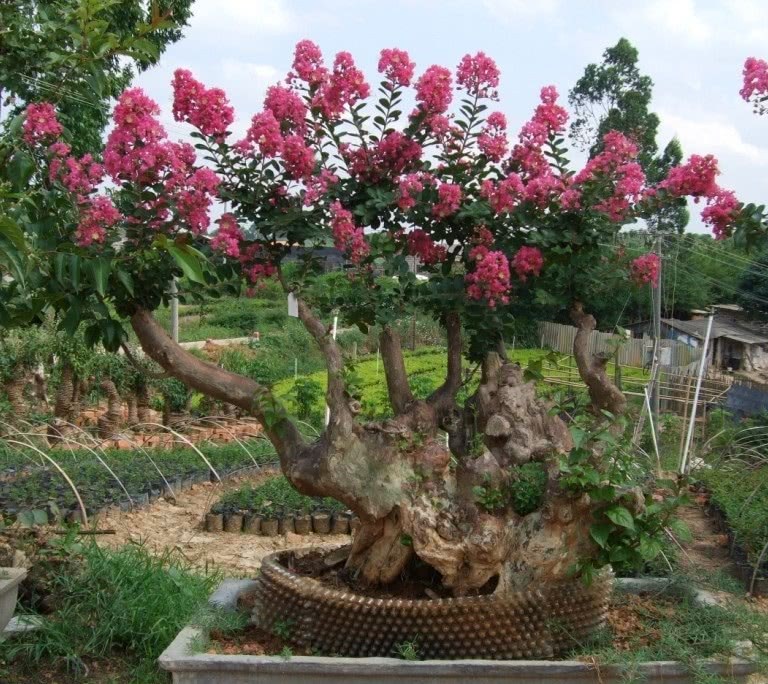
In landscape applications, crape myrtle leaves mainly play a supporting role. Crape myrtle has a long flowering period, and the green leaves set off the abundant blooms; the branches spread out and the tree form is graceful, so whether planted in the ground or in a pot, the density of the leaves directly affects the overall ornamental effect. After winter sets in, the plant sheds its leaves and goes dormant, then sprouts new leaves again in spring the following year.
Traditionally, crape myrtle leaves have also been used in folk medicine, and they are generally believed to have a heat-clearing and detoxifying effect, mostly applied externally as pounded fresh leaves. It should be noted that medicinal use should be carried out under the guidance of professionals, and there is no need to deliberately pick leaves for use during routine ornamental care.
In daily care, if crape myrtle leaves turn yellow, curl, or drop prematurely, it is mostly related to improper watering, insufficient light, poor ventilation, or pests and diseases, commonly such as powdery mildew, aphids, and crape myrtle scale insects. In terms of management, ensure sufficient light, water by the principle of dry-then-wet, promptly control pests and diseases when found, and after autumn sweep up fallen leaves and dispose of them in a centralized way, which can reduce the occurrence of pests and diseases the following year.
Related Reading