How to make a classic bonsai from a century-old crape myrtle stump
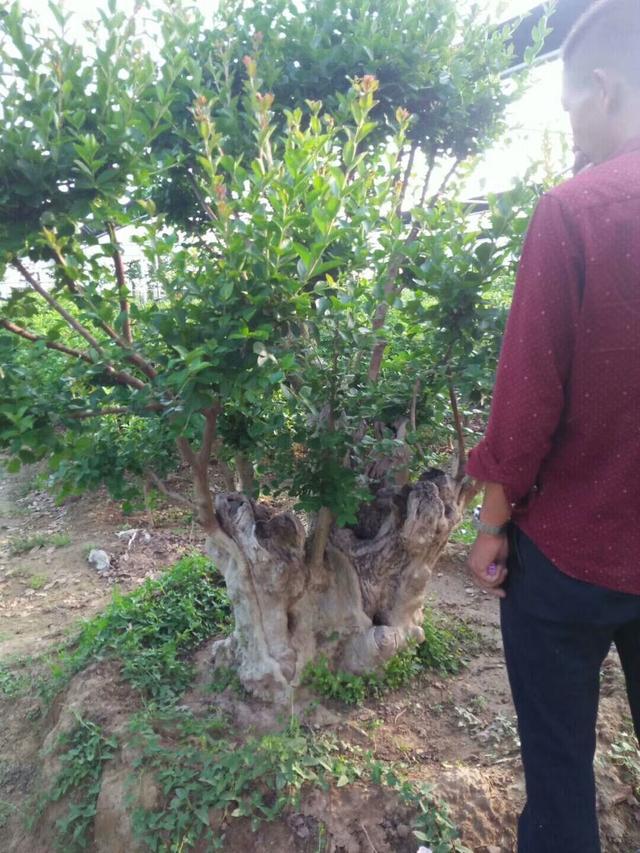
Crape myrtle (Lagerstroemia indica), also known as itch flower, itch itch, purple orchid flower, mosquito flower, Western crape myrtle, barkless tree, etc., is an excellent bonsai material for viewing flowers, trunks and roots.
Crape myrtle likes to grow in semi-shaded environments, grows vigorously in fertile, moist soil, and is also fairly drought-tolerant; it grows well in both calcareous and acidic soil.
The varieties we commonly see mainly include dwarf crape myrtle, creeping crape myrtle, silver crape myrtle, red crape myrtle, emerald crape myrtle and so on.
The old crape myrtle stumps in this article have mostly grown for over a hundred years. With just a little pruning, they can become classic bonsai.
The best time to dig up old crape myrtle stumps is from early October to before bud break in early spring. Do not dig them up in cold seasons or in dry, windy weather. When digging, first select old stumps with thick, sturdy rhizomes, gnarled and unusual shapes, or hollowed-out trunks shaped like wrinkled, translucent, leaky scholar's rocks; after digging them up, plant them directly in a pot, or plant them in moist, fertile, loose and breathable soil to cultivate them, and move them into a pot once the root system has resumed growth and the branches and leaves are lush.
For the soil used to plant old crape myrtle stumps, you should choose loam rich in organic matter and well-drained; you can mix and prepare leaf mold, or sandy soil, coal ash and so on.
For the pruning and shaping of crape myrtle, during the winter dormant period of crape myrtle, carry out one heavy pruning of the plant. Cut off overly dense branches and leggy branches to keep the branches evenly distributed and the crown intact.
In spring, when new branches grow to about 15cm, pinch them to encourage two forked branches to grow at the top. After the pruned branches grow flower buds, cut off the weaker flowering branches and buds unrelated to the shape, and after the flowers bloom, cut off the spent flowers.