Wisteria: Characteristics and Care Methods, with Flowers Blooming Like a Waterfall and Strong Ornamental Appeal
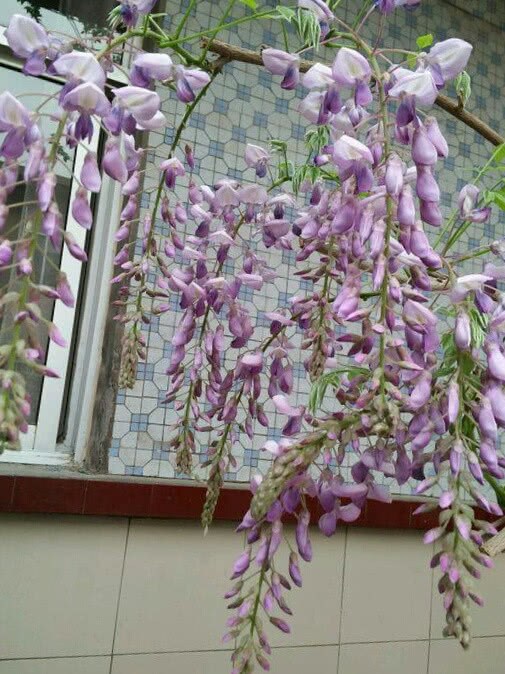
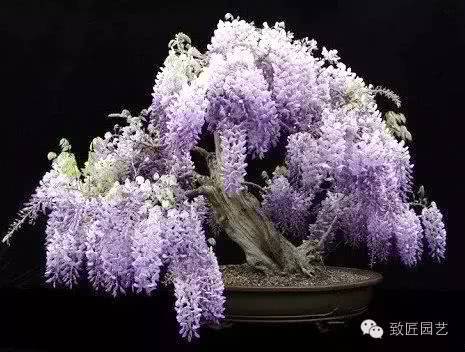
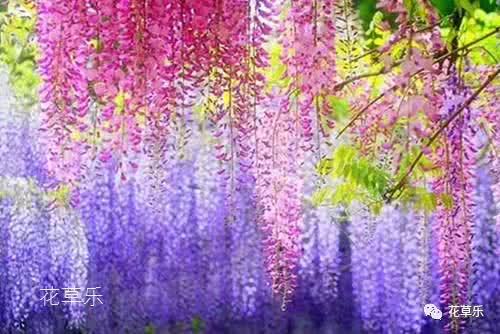
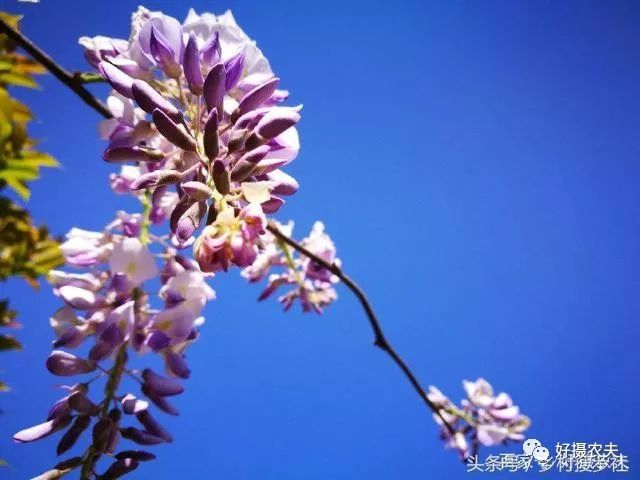
Wisteria is a deciduous climbing vine in the genus Wisteria of the Fabaceae family, also known as tengluo or zhuteng. Its stems and vines have strong twining ability, it bears pinnately compound leaves, and it blooms in spring. Its racemes hang down naturally, and the flowers are mostly purple or light purple, with white and pink horticultural types also available. At peak bloom, the whole plant's flower clusters pour down like a waterfall, giving it strong ornamental appeal.
Wisteria is long-lived and grows relatively quickly, with strong adaptability. It is both cold-tolerant and drought-tolerant, and has low requirements for soil, growing best in environments with deep soil layers and good drainage. Common cultivated types besides ordinary wisteria include Japanese wisteria, silvery wisteria, and other varieties, which each have their own characteristics in raceme length and flower color depth.
For care, wisteria prefers a sunny environment; insufficient light easily leads to excessive growth of branches and leaves and sparse flowering. Watering can follow the principle of not watering until dry, and watering thoroughly when you do. Supplementing appropriately with phosphorus and potassium fertilizer before flowering can make the bloom more abundant. Pay attention to pruning in late winter and after flowering, cutting out overly dense branches and excessive-growth branches, which helps shape the plant and also promotes flower bud differentiation the following year.
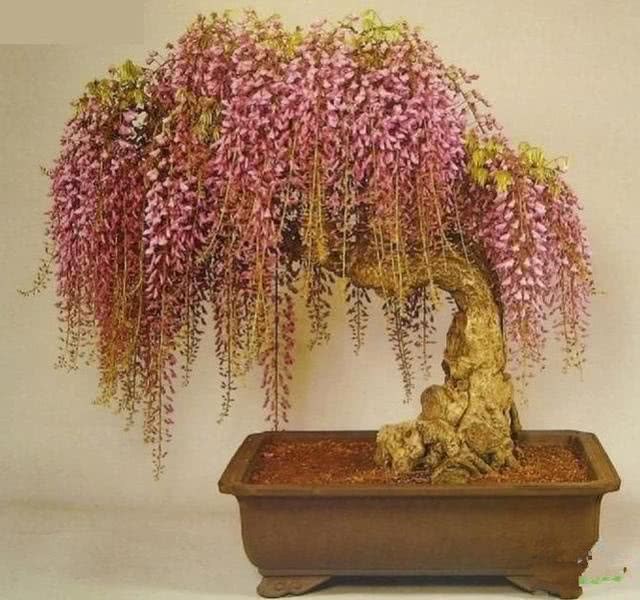
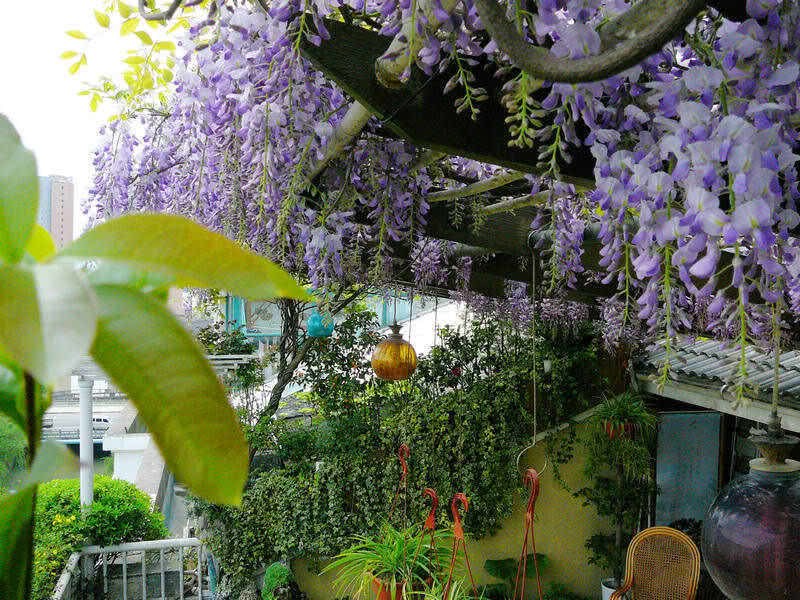
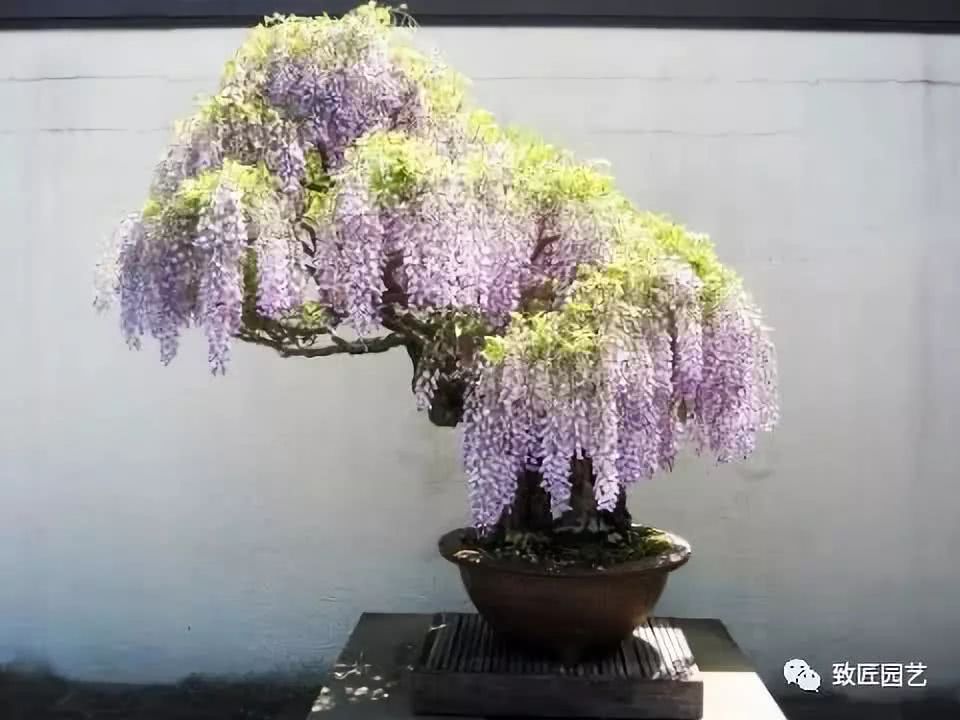
In application, wisteria is an excellent material for greening pergolas, corridors, and flower walls, and is also often cultivated as bonsai and placed in courtyards and on balconies. Planted in a rooftop garden or beside a trellis, with careful care for a few years it can form a flower corridor. During the flowering period it has a delicate fragrance, combining ornamental and shade value, and is deeply loved by gardening enthusiasts.
Related Reading