Purple crabapple has gorgeous flowers and strong ornamental value; master the care methods to grow it easily
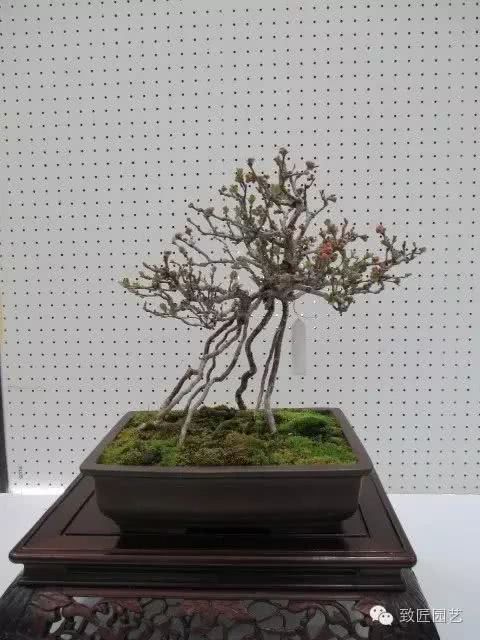
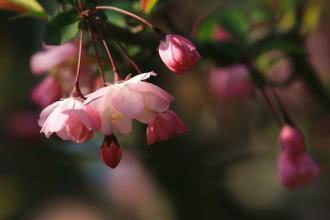
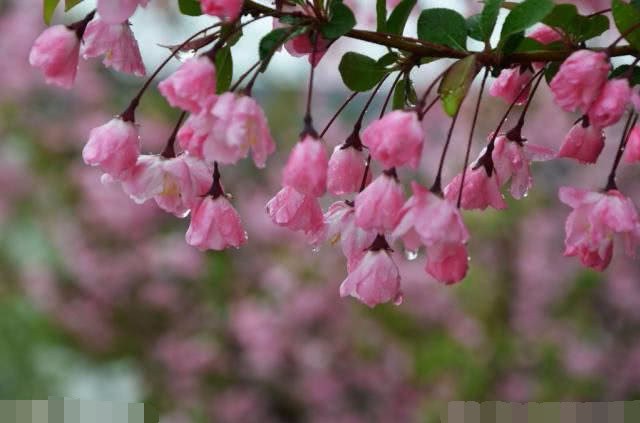
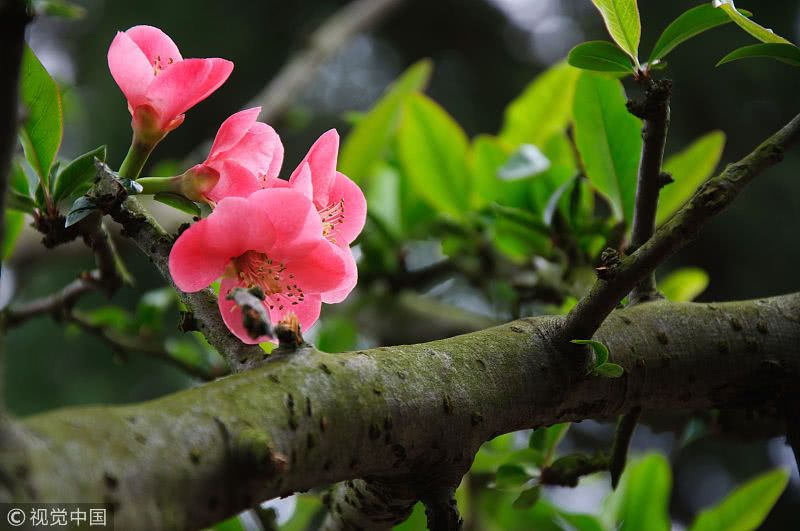
Purple crabapple generally refers to ornamental crabapple varieties with purplish-red or pink-purple flowers, most of which belong to the deciduous small trees or shrubs of the genus Malus in the rose family. It blooms in early spring, with flowers clustered on the branches, and the flower color is richer than that of ordinary crabapples. It is a common flowering plant in courtyards and parks, and can also be grown in pots or trained as bonsai.
The most striking ornamental features of purple crabapple are its flower color and flower form. In spring it often blooms before the leaves emerge or with the leaves, and at full bloom the whole tree turns purplish-red, making a very eye-catching display. Some varieties also produce small fruits in autumn, and the fruiting period also has certain ornamental value, and it is often used to accent courtyards, roadsides and green spaces.
For care, purple crabapple likes a sunny, well-ventilated environment, and soil that is deep and drains smoothly is best. For routine watering, you can follow the principle of watering when dry and letting it dry out between waterings, avoiding long-term waterlogging. After flowering, promptly cut off spent flowers and overly dense branches, which can reduce nutrient consumption and help it bloom more vigorously the following year. Overall, it is fairly cold-hardy and also has some drought tolerance, so daily management is not too difficult.
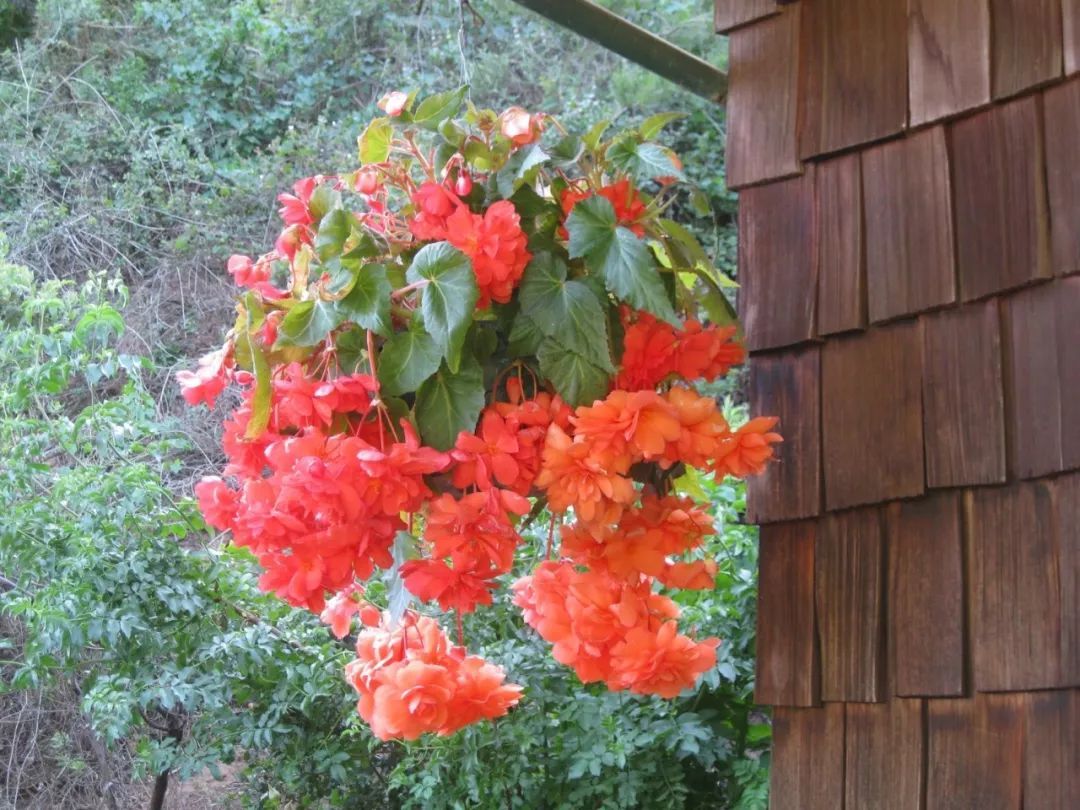
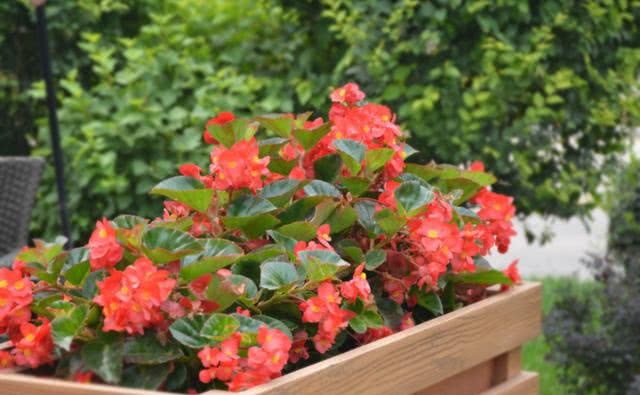
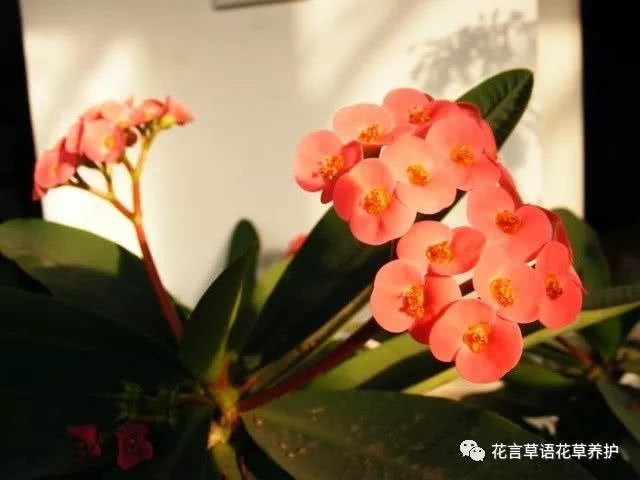
One thing to note is that many plants have "crabapple" in their names, and purple crabapple is not the same kind of plant as begonia, wax begonia, or crown of thorns. Begonias are mostly herbaceous and are often grown indoors in pots for ornament; crown of thorns is a thorny plant in the spurge family; while purple crabapple is woody and is better suited to being planted in the ground in courtyards or grown in large pots. Only by clearly identifying the botanical name before buying and caring for it can you avoid choosing the wrong plant and caring for it the wrong way.
Related Reading