What Is Chinese Bonsai? Main Features and Schools Introduced
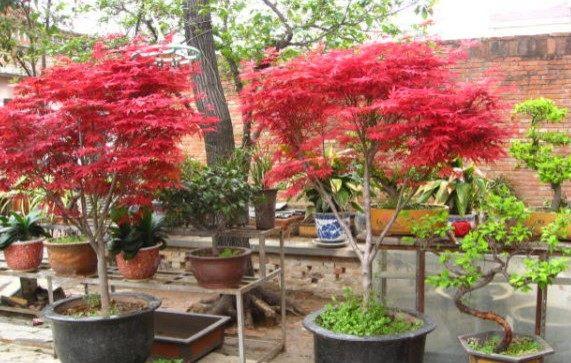
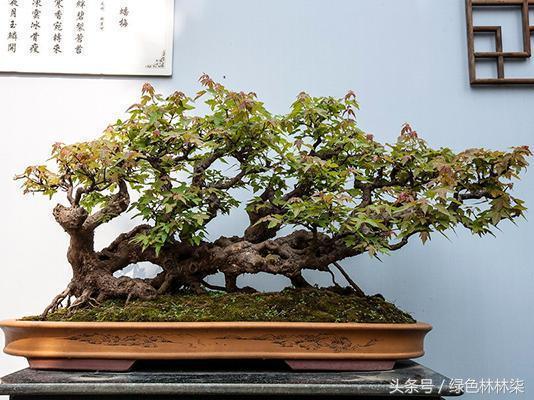
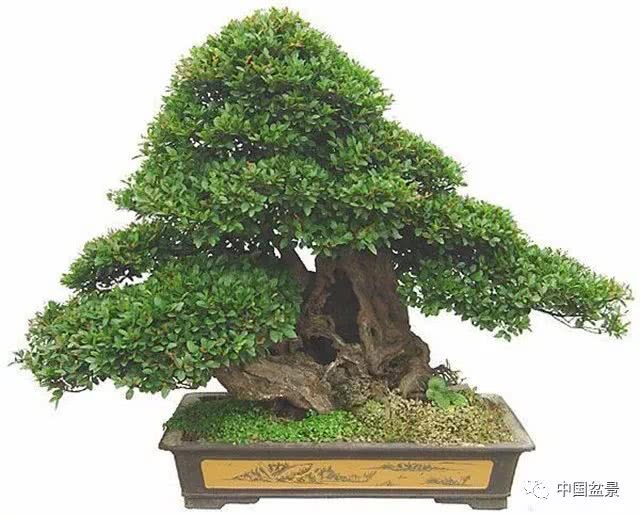
Chinese bonsai is a traditional sculptural art that uses plants, rocks and other materials, cultivated in pots after artistic processing, to express natural landscapes. It combines cultivation techniques with aesthetic taste, and is praised as three-dimensional painting and silent poetry, with a long history of development in China.
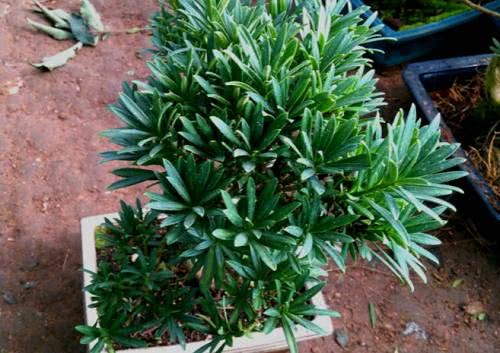
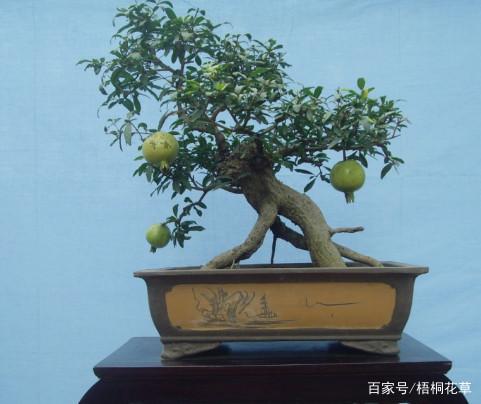
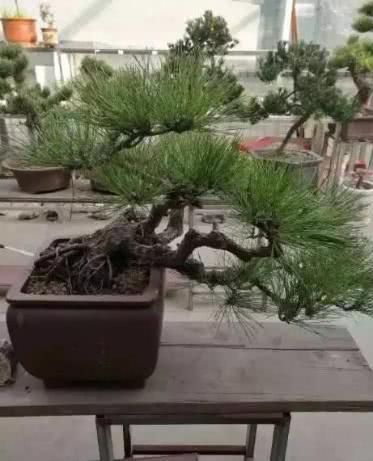
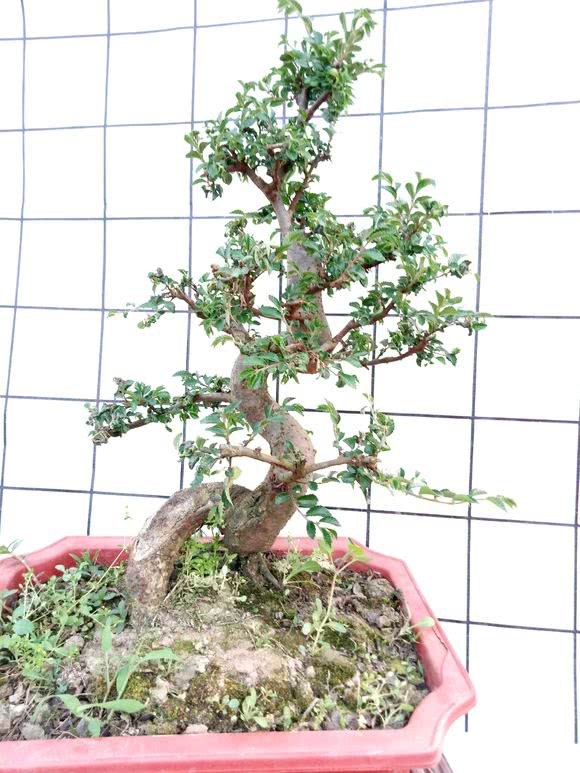
According to materials and expressive content, Chinese bonsai is generally divided into two major categories: tree bonsai and landscape bonsai, in addition to combined forms such as water-and-dry bonsai and flower-and-fruit bonsai. Tree bonsai mainly uses common tree species such as Buddhist pine (Podocarpus macrophyllus), pines and cypresses, elm, and Chinese plum yew (Sageretia thea), taking shape gradually through years of care.
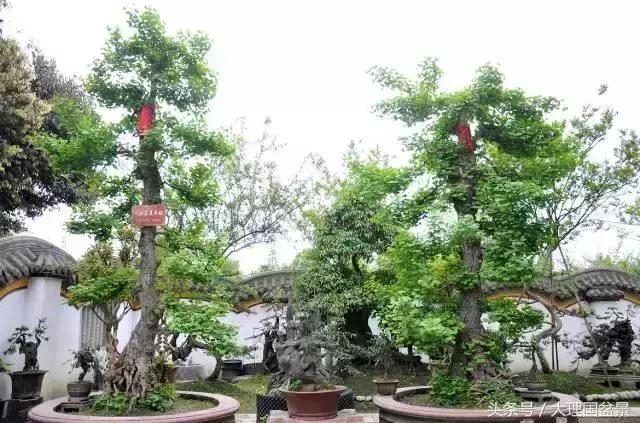
Through long-term development, various regions have formed schools with regional characteristics, commonly including the Lingnan school, Su school, Yang school, Chuan school, and Hai school. Different schools differ noticeably in shaping: some emphasize rugged naturalness, while others focus on neat, orderly layers, reflecting differences in aesthetic traditions across regions.
Making Chinese bonsai commonly uses techniques such as wiring, pruning, root exposure, and grafting, emphasizing shaping according to the tree and going with the flow. A mature work often requires years or even longer of care and adjustment, testing patience and judgment; beginners can start with simple shaping techniques.
Daily care should arrange light, watering and fertilizing according to the habits of the tree species, with regular pruning to maintain the form. Many enthusiasts like to dig up old stumps from the mountains to cultivate, but attention should be paid to protecting wild resources and complying with relevant regulations. Overall, Chinese bonsai has both ornamental and cultural value, and is suitable as a long-term invested hobby.
Related Reading