Ginkgo Tree Introduction: Morphological Characteristics and Planting Application Value Explained
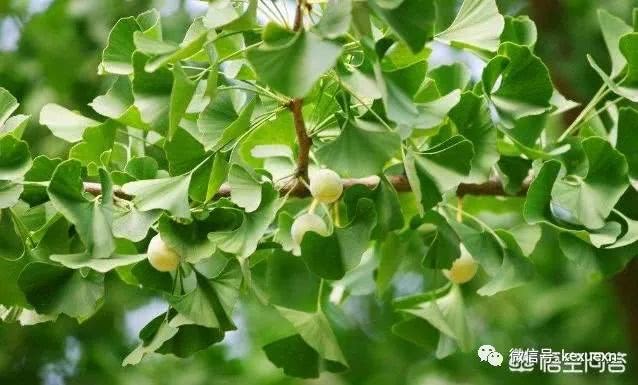
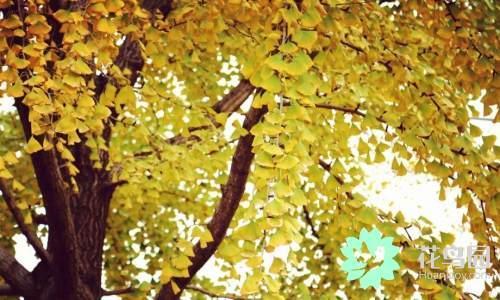
The ginkgo tree is a large deciduous tree of the genus Ginkgo in the family Ginkgoaceae, and it is also one of the oldest surviving tree species, often called a living fossil of the plant world. Its trunk is straight, its crown is mostly oval or tower-shaped, and its leaves are uniquely fan-shaped, turning brilliant golden yellow after autumn arrives, giving it high ornamental value.
Ginkgo is a dioecious tree species, meaning it is commonly described as having male and female individuals. Male trees only produce male flowers and are responsible for providing pollen, while female trees can only bear ginkgo nuts after receiving pollination. If only one female tree is planted in a yard and there is no male tree nearby for pollination, it often fails to bear fruit for many years, so this point needs to be taken into account before planting.
The ginkgo tree has relatively strong adaptability and prefers an environment with ample sunlight, deep soil layers, and good drainage. It tolerates drought and cold fairly well, but prolonged waterlogging can easily damage its roots. Transplanting is mostly done in spring and autumn. During the seedling stage, appropriate watering and fertilizing are needed; after the tree matures, management is relatively extensive, and pests and diseases are also relatively few.
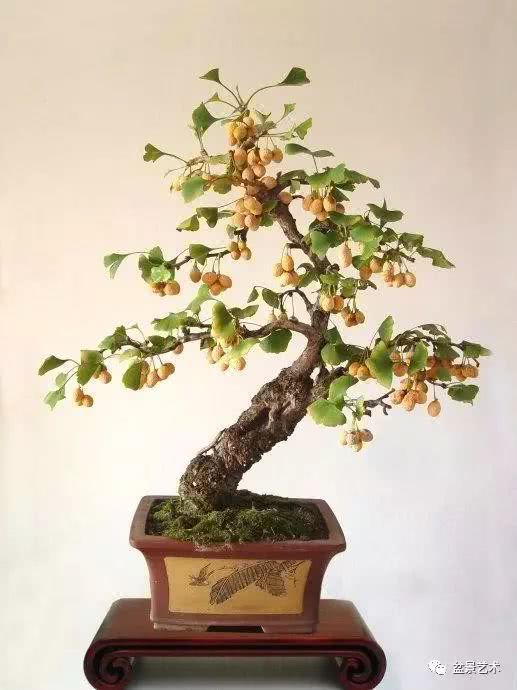
In terms of applications, the ginkgo tree has a long lifespan and can serve not only as a street tree and a landscaping species, but also be planted in large patches to create forests for both fruit and timber. Female trees can also have their varieties improved through grafting, allowing them to bear fruit earlier and with more stable quality. It should be noted that although ginkgo nuts are edible, they should not be eaten raw or in excess; they are safer to eat after proper handling.