Why Ginkgo Trees Do Not Bear Fruit: It Is Related to Male and Female Sex
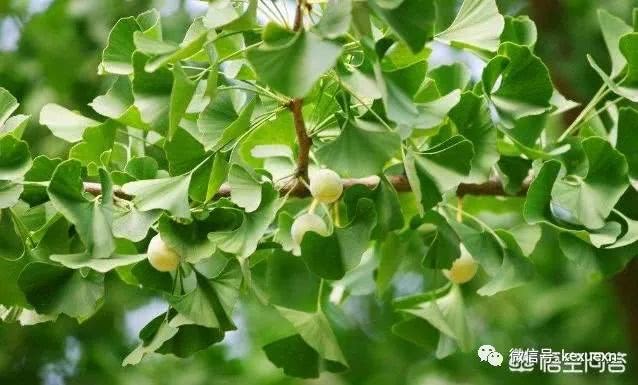
Many flower lovers nowadays like to plant a ginkgo tree in their courtyard, and I myself also like ginkgo trees very much. The leaves of the ginkgo tree are so beautiful, and they also have medicinal value. Planting one is a delight to the eye, and just looking at it lifts your mood. The fruit borne by the ginkgo, the white nut, is also a medicinal material. Here I will chat with you about the issue of ginkgo fruiting.
1. How Ginkgo Bears Fruit
If you want a ginkgo tree to bear fruit, you first need to understand the characteristics of the ginkgo tree. Like animals, ginkgo trees are divided into male and female, which means if you plant a male ginkgo tree, then congratulations, this tree will never bear fruit. If what you planted is a female ginkgo tree, then you will need to wait.
Also, everyone knows that the ginkgo tree has another name, "gongsun tree" (grandfather-grandson tree). Why is it called this? Because the ginkgo tree is very long-lived, and there are plenty of trees that live for over a hundred years. Generally, only after about 20 years of planting can it bear a small amount of fruit. Only after about 40 years of planting can it bear a large amount of fruit. That is to say, a ginkgo tree planted by a grandfather when he was young can only provide ginkgo fruit for the grandson to eat.
2. How to Identify Whether a Ginkgo Is Female
To be honest, identifying the sex of a ginkgo tree is really not easy without some experience, and many identification methods are not very suitable for our daily use, as most are tested in laboratories through chemical reagents. So in daily life, if we want to identify the sex of a ginkgo, we need to observe carefully.
Generally, the sex is observed from the leaves. The leaf notches of male ginkgo trees are deeper, while those of female ones are shallower. Then look at the trunk. Female ginkgo trees are generally used for bearing fruit, so the tree body is somewhat smaller, and the crown is tower-shaped. Male ginkgo trees are mostly used for timber, with taller trunks, longer branches, and crowns that are mostly round.
3. Management of Ginkgo Trees
If you want a ginkgo tree to bear fruit, good management is naturally indispensable. The ginkgo tree has relatively strong adaptability, so many regions use ginkgo trees as landscaping trees. Ginkgo trees like a sunny, warm growing environment. The soil is best if it is sandy soil with relatively good air permeability and water permeability, and it fears waterlogging.
The root system of the ginkgo tree is relatively well developed, so in spring pay attention to loosening the soil around the ginkgo tree to promote root respiration. In addition, every year add some humus soil to the planting soil of the ginkgo tree to promote nutrient absorption, and it also helps prevent the ginkgo tree's soil from becoming compacted, which would affect root respiration.
As for water, not too much is needed; just keep the soil moist. Watering too frequently can easily lead to root rot.