Elm Bonsai Tolerates Pruning and Is Easy to Shape: An Introduction to Daily Care Methods
Elm bonsai is a traditional bonsai variety cultivated from elm as raw material, and it is widely spread in our country. The bark of the elm is grayish-brown and mottled, the old trunk is simple and textured, the leaves are small and green, and the branches are soft and tolerant of wiring, making it an ideal tree species for making bonsai. It has strong adaptability and can be cultivated in both the north and the south, so it is deeply loved by bonsai enthusiasts.
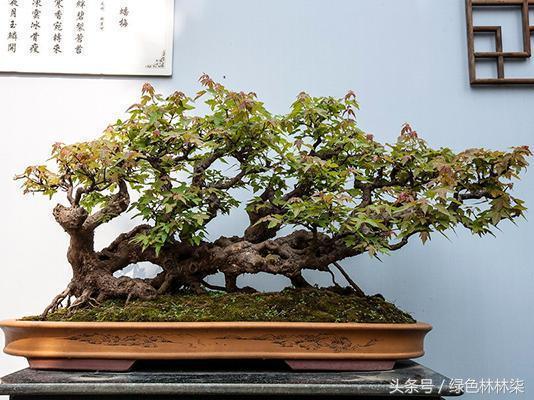
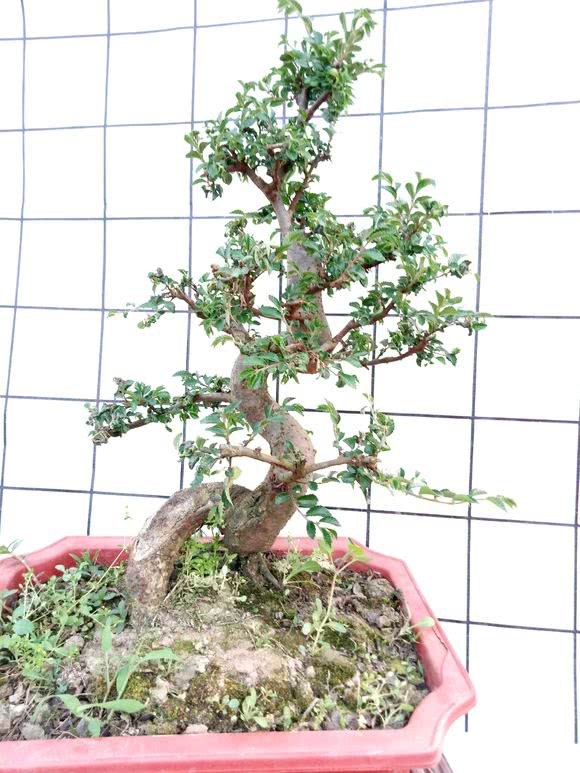
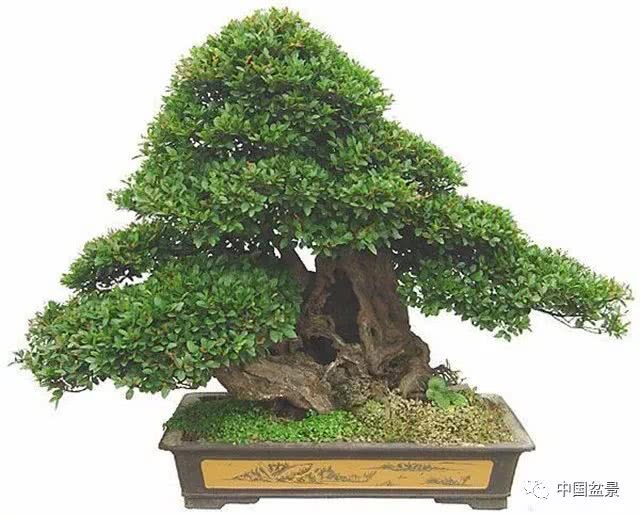
Common elm bonsai mostly use Chinese elm (Ulmus parvifolia), whose leaves are small, fine, and dense, and whose tree posture is vigorous, so the finished bonsai has a rather ancient-tree flavor. In addition, ordinary elm, weeping elm, and others can also be potted and shaped, each with its own characteristics. Through pruning, wiring, root exposure, and other techniques, many forms such as straight trunk, slanting trunk, cascade, and forest can be made, with high ornamental value.
In terms of care, elm likes a sunny, well-ventilated environment, and during the growing season it should be placed in a spot with good light. Watering follows the principle of not watering until dry, and when watering, water thoroughly; never allow long-term water accumulation in the pot, otherwise root rot easily occurs. Elm has strong sprouting ability and grows quickly, so it needs frequent bud pinching and pruning to keep the tree shape compact and beautiful. Repotting is mostly done in spring, when the roots can also be trimmed and the soil changed to make the plant grow more vigorously.
The common problems of elm bonsai are yellowing leaves and insect pests. Yellowing leaves are mostly related to overwatering and insufficient light; once discovered, the care method should be adjusted in time. In summer and autumn, attention should also be paid to pests such as aphids and leaf beetles, and early detection and early treatment should be achieved. As long as management is proper, elm bonsai can maintain vigorous growth all year round and become more and more appealing the longer it is grown.
Related Reading