Elm Bonsai Pictures Show Vigorous Shapes and Care Essentials
Elm bonsai is a tree-stump bonsai cultivated and created from elm or Chinese elm (Ulmus parvifolia) as the material, and is one of the traditional bonsai categories with fairly wide circulation in China. Elm is widely distributed, highly adaptable, has pliable branches and trunks that tolerate pruning, vigorous sprouting ability, and high shapeability, and has long been welcomed by bonsai enthusiasts. There are numerous elm bonsai pictures online, and through these pictures one can intuitively understand the ornamental effects of different tree ages and different shapes.
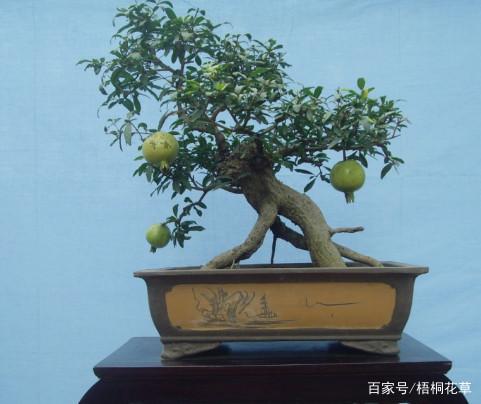
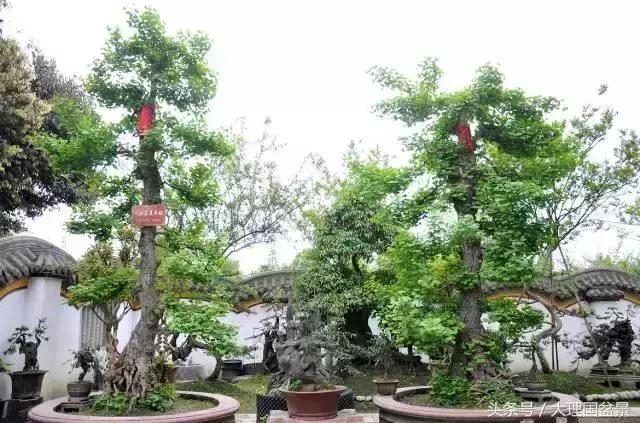
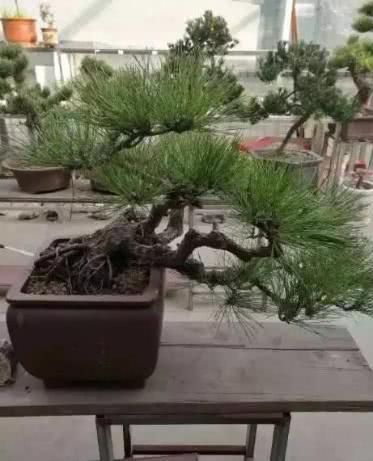
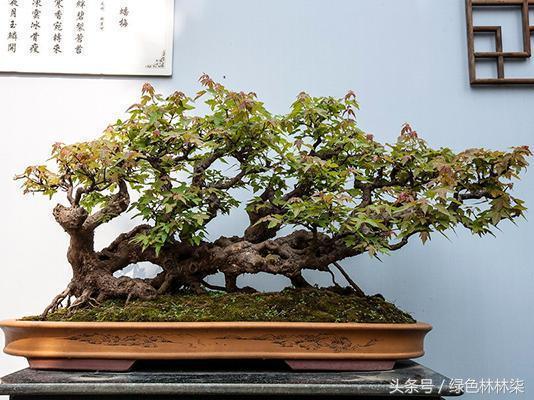
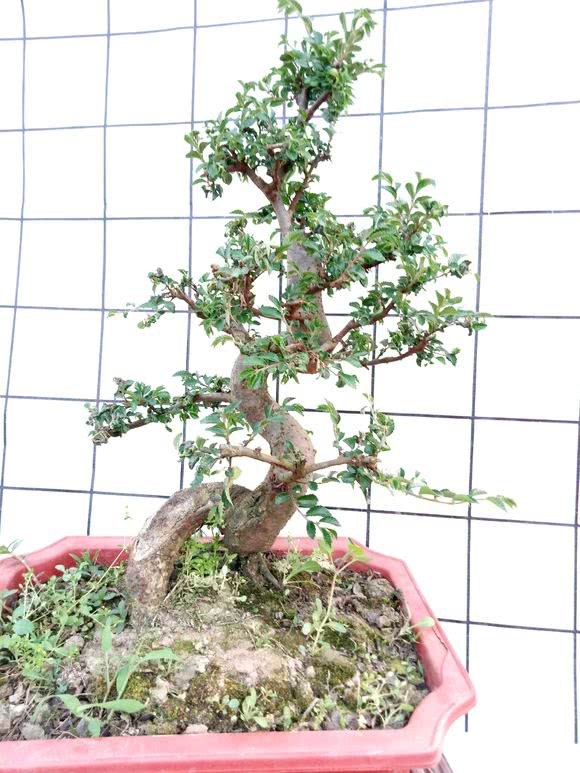
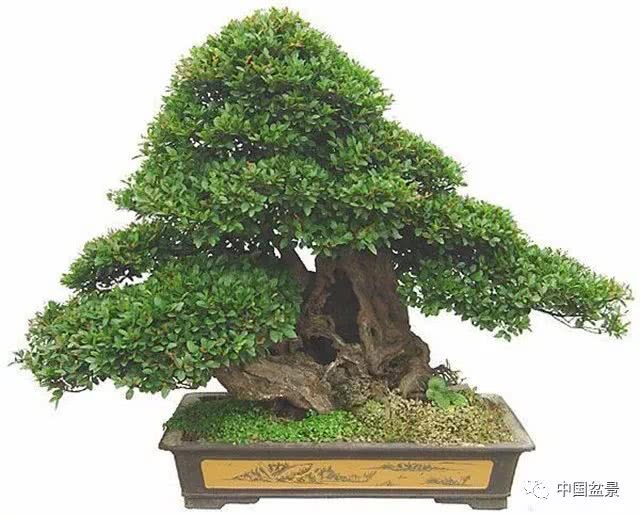
From the pictures, a good-quality elm bonsai often has roots that coil and are exposed above the soil surface, a main trunk that is vigorous with twists and turns, bark that is rough and cracked, showing an aged look, and branch pads with clear layers and natural transitions. Elm leaves are small and deep green, and after leaf picking and leaf control the new leaves become even smaller, making the whole tree look more refined. In spring the new buds are tender green and translucent, and in autumn the leaf color turns yellow; pictures taken in different seasons each have their own charm.
The elm commonly used for bonsai is mostly Chinese elm (Ulmus parvifolia), whose bark flakes off in scale-like patches and has an elegant color, making it an excellent bonsai material; ordinary Siberian elm (Ulmus pumila) can also take shape after many years of cultivation. In terms of shape, forms such as formal upright, slanting, semi-cascade, cascade, and forest style are all fairly common in the pictures; among them, the forest style emphasizes the balance of density and spacing, while the cascade style emphasizes a downward-surging momentum, each with its own artistic conception.
For those who want to grow one themselves after enjoying the pictures, you can refer to the pictures when selecting a plant with a solid root base, a naturally transitioning main trunk, and evenly distributed branches. In terms of daily care, elm likes sunlight, tolerates drought, and fears waterlogging; watering should follow the principle of watering when dry and stopping when wet, and during the growing season pinch and top the shoots frequently to prevent branches from growing leggy, while also paying attention to preventing and controlling common pests such as aphids and scale insects; with proper care it can also achieve the ornamental effect shown in the pictures.
Related Reading