Ficus elastica is a common foliage plant; to grow it well, pay attention to light and watering.
Ficus elastica, also known as the Indian rubber tree or rubber plant, is an evergreen tree in the mulberry family (Moraceae), genus Ficus, native to tropical regions such as India and Myanmar. Its leaves are thick and leathery with a glossy surface, mostly dark green; in horticulture there are also variegated foliage cultivars with striking patterns, making it highly ornamental. In its native habitat it can grow into a tall tree, while in home cultivation it is mostly kept as a potted foliage plant.
Ficus elastica is characterized by strong adaptability and relatively easy, low-maintenance care, and it tolerates indoor environments well. It likes warm, humid conditions and bright light, and can also tolerate partial shade; in summer, avoid prolonged direct exposure to strong sun. For routine watering, follow the principle of watering when dry and letting it dry between waterings, keeping the potting soil moist but not waterlogged. In winter, keep it warm and protected from the cold, and place it in a bright spot indoors. Prune appropriately during the growing season to both control the plant's shape and encourage branching, making the plant fuller.
For propagation, Ficus elastica is commonly grown from cuttings; select well-developed stems and insert them into a loose, airy medium, keeping humidity and a suitable temperature, and they root fairly easily. Note that after cutting, the stems exude a white milky sap; it is best to wear gloves when handling to avoid the sap touching the skin, and never ingest it.
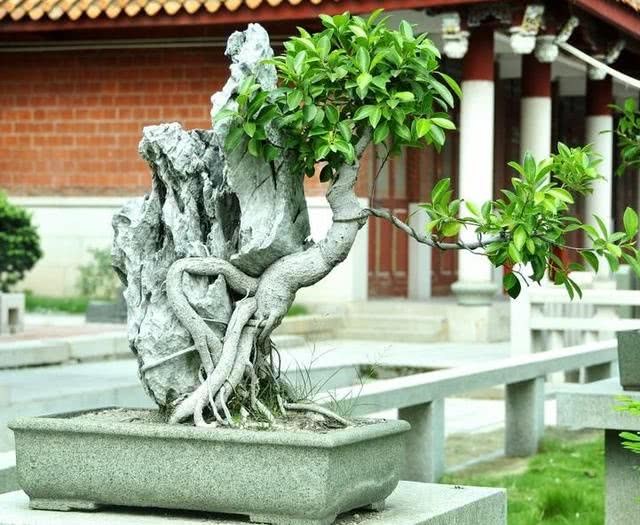
Because of its large, deep green leaves and neat form, Ficus elastica is often used for greenery decoration in living rooms, offices and similar spaces, and it is also a common subject for bonsai. It has good shade tolerance and relatively few pests and diseases, making it suitable for beginners; as long as light and water-fertilizer management are done properly, it can maintain a good ornamental appearance for a long time.
Related Reading