The price of a small-leaf boxwood bonsai is determined by tree age, styling and size
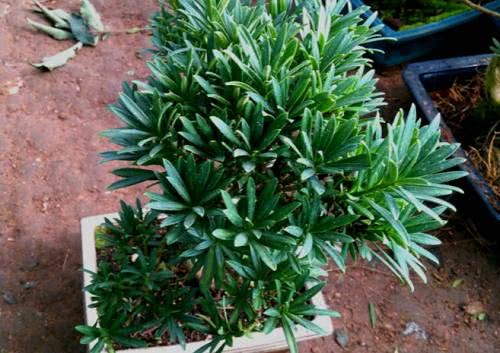
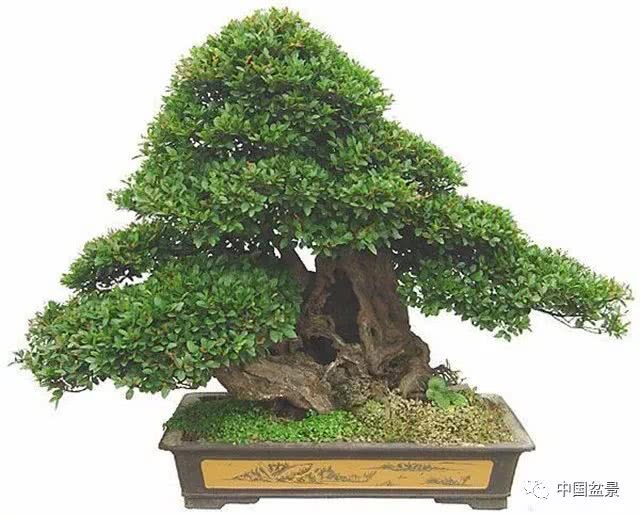
Small-leaf boxwood (Buxus sinica var. parvifolia) is an excellent tree species for making bonsai. Its leaves are small and leathery, and it stays evergreen all year round; its branches and trunk are rugged and old-fashioned in appearance, and although it grows slowly, it has strong sprouting ability, tolerates pruning and wiring, and is very suitable for shaping all kinds of bonsai forms. Because the shaping cycle is long, old stumps that have been cultivated for many years are becoming increasingly scarce, and its market price has always attracted much attention from bonsai enthusiasts.
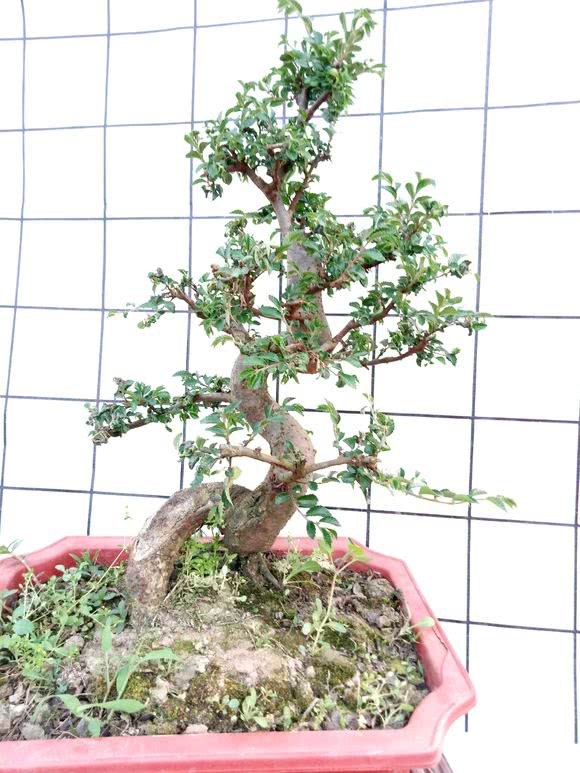
The price range of small-leaf boxwood bonsai is quite wide, and is mainly determined by several factors. First, size and tree age: young seedlings are affordable, while shaped old stumps cultivated for many years are clearly more valuable. Second, the level of styling: fine pieces with a mature skeleton structure and properly wired and pruned branches are often considerably more expensive than ordinary stumps. Third, appearance and origin: those with full tree form, well-developed roots and unusual stump shapes are more popular in the market.
When choosing, it is advisable to first clarify your budget and purpose. If you are just practicing, you can choose ordinary stumps at a moderate price with robust growth; if you want to collect or display them, you should focus on tree age, skeleton and the degree of styling completion. At the same time, pay attention to identifying how fresh and alive the plant is, check whether the leaves are glossy and whether the root system is healthy, and avoid buying stump material that is dehydrated or diseased.
Care after bringing it home will also affect its long-term value. Small-leaf boxwood likes a semi-shaded, humid environment and dislikes exposure to strong sun and waterlogging. Watering should follow the principle of watering when dry and stopping when wet, and proper water control during the growing season helps keep the branches and leaves compact. It grows slowly, and styling requires long-term patient care; the better it is cared for, the higher its ornamental value and price usually become.
Related Reading