Sunflowers mostly bloom in summer; with proper care, the flowers last longer
The sunflower blooming period refers to the stretch of time from when the flower head fully opens until the flower withers, and it is the most eye-catching stage in the plant's life. Usually, sunflowers enter their blooming period in summer, and the exact timing varies with the variety, sowing date and local climate; early sowings can bring it forward, while late sowings push it back accordingly.
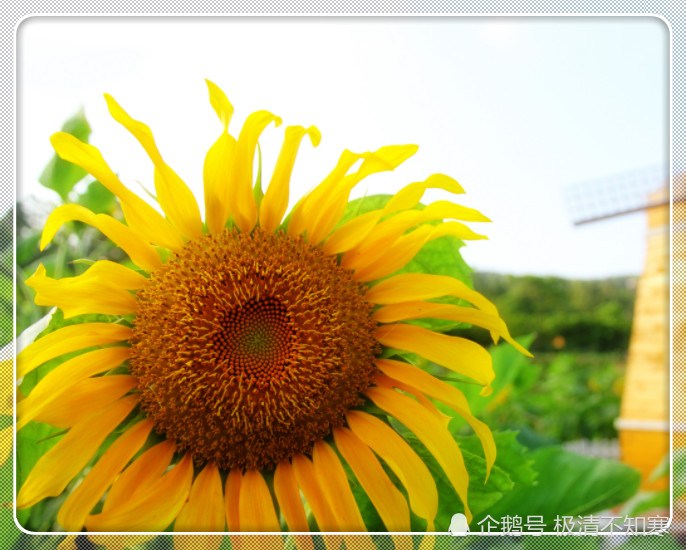
In terms of flowering characteristics, the sunflower head is made up of the ray florets around the outside and the tubular florets in the center; the outer petals mainly serve to attract insects for pollination, while the small florets in the middle are responsible for setting seed. The ornamental period of a single flower head generally lasts about one to two weeks, and by sowing in stages to stagger the blooming periods, the whole field can be enjoyed for a longer time. The phenomenon of the sunflower head following the sun mostly occurs in the young stage; once the head is fully mature, it mostly faces east in a fixed position.
Managing the blooming period is key to determining flower quality and seed set. At this stage the plant uses more water and nutrients, so the soil should be kept moist but not waterlogged, avoiding prolonged drought that can make the flower head small and thin. Topdressing should focus on phosphorus and potassium fertilizers, with less nitrogen, to prevent excessive stem and leaf growth that affects flowering. Tall varieties become top-heavy when flowering and are prone to lodging in wind and rain, so soil can be hilled up in advance or supports set up.
The blooming period is also an important stage for pollination and seed set; pollination by bees in the field or supplementary hand pollination both help improve the seed set rate. If the goal after flowering is to harvest sunflower seeds, wait until the back of the flower head turns yellow and the seeds are plump before harvesting. If grown for ornament or cut flowers, promptly cutting off spent flowers can reduce nutrient consumption and also help extend the overall ornamental effect.
Related Reading