How to Tell Bananas and Plantains Apart: Just Look at the Shape and Taste the Flavor
Bananas and plantains both belong to the genus Musa in the family Musaceae. They are closely related sister fruits, but they are not the same thing. Sometimes plantains are sold as bananas in the market, and you only find out the taste is wrong after you get them home. In fact, with a few simple tricks, you can tell them apart at a glance.
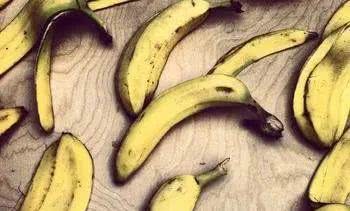
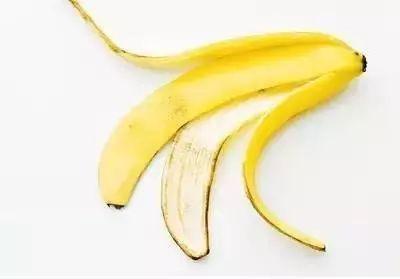
Looking at the shape is the most intuitive way. Banana fruits are slender and curved, almost like a crescent moon, and the fruit body usually has five to six ridges. When ripe, the peel is bright yellow, often with a few small brown spots; plantain fruits are shorter and thicker, slightly narrower at both ends and bulging in the middle, with only a slight curve. The peel is mostly grayish yellow, usually with only three ridges, and the spots on the surface are not obvious. As for the flesh color, bananas are mostly yellowish white, while plantains are more milky white.
The difference in taste is even more obvious. Bananas have a rich aroma and high sweetness, with soft and sticky flesh; plantains are sweet with a hint of slight sourness, have a milder aroma, and their flesh is relatively firm. In folk views on food properties, bananas are generally considered cooling, while plantains are relatively neutral, so people with sensitive stomachs can choose according to their own condition.
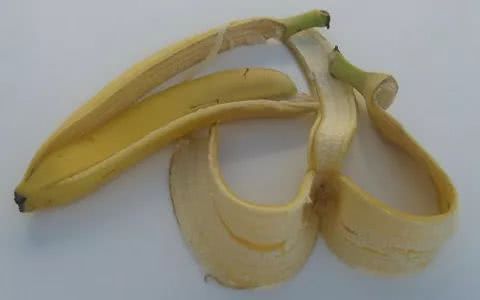
The two also differ in uses. Bananas are mainly eaten fresh, and can also be made into smoothies or baked bananas; besides bearing fruit, the plantain plant has large umbrella-like leaves and is often grown in courtyards and parks for ornamental purposes. Some dwarf varieties can also grow quite well in flower pots. In addition, both banana peels and plantain peels are rich in organic matter, and after composting they can be used as fertilizer for potted plants. Many flower growers use this method.
When choosing, pick bananas if you want something sweet, fragrant, soft, and sticky, and try plantains if you like a lighter, slightly sour taste. After buying either one, both are best stored in a cool, ventilated place. Low temperatures easily make the peel turn black, so try to avoid keeping them in the refrigerator for a long time.
Related Reading