Western Crabapple Blooms All Over in Spring, Care Is Easier Once You Know Its Habits
The Western Crabapple (Malus micromalus) is a small deciduous tree of the genus Malus in the rose family. It got its name because it has a long history of cultivation around Baoji in Shaanxi, and Baoji was called Xifu in ancient times. With its upright posture and spreading branches, it is a traditional Chinese spring-flowering tree, very common in classical gardens, courtyards and street landscaping.
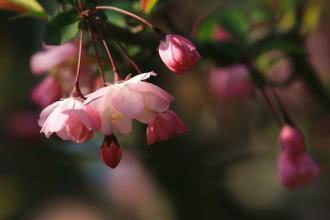
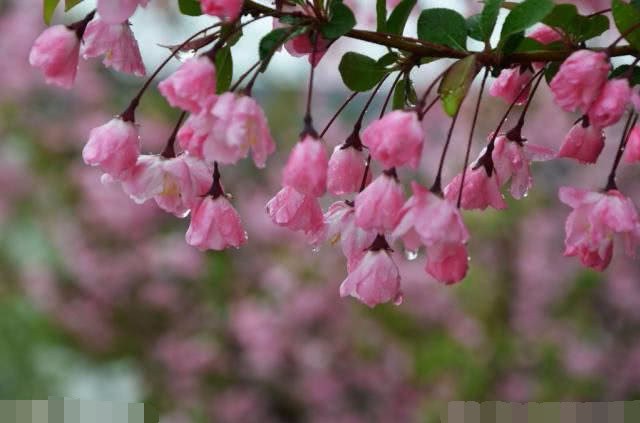
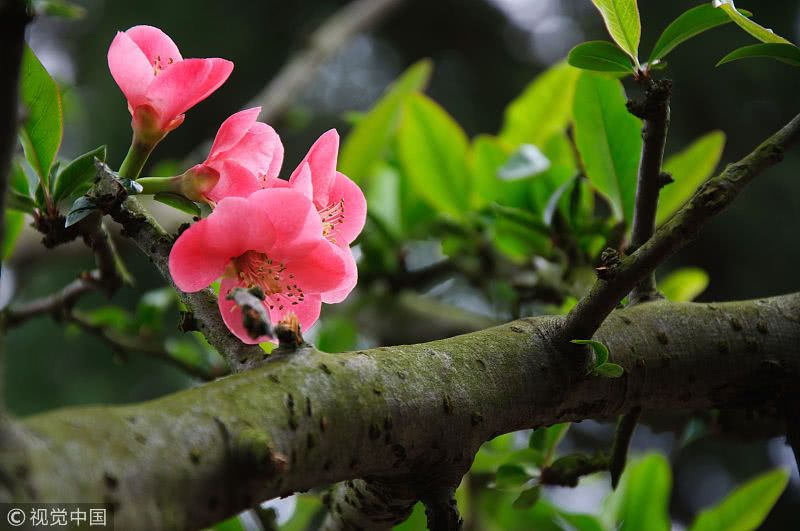
Its most striking feature is the way its flower color changes: the buds start out deep red, then gradually turn pinkish-white or pink as they open, hanging in clusters on the branches, and when in full bloom the whole tree is covered in flowers, making it highly ornamental. After flowering it also produces small round fruits, red and yellow mixed when ripe, which can be enjoyed visually as well as eaten or processed into candied fruit.
The Western Crabapple likes sunlight, tolerates cold and is fairly drought-tolerant, but it dreads waterlogging most of all, so it suits a sunny spot on higher ground with good drainage. During the growing season, just keep the soil slightly moist, watch out for drainage in the rainy season, and after flowering prune dead and overly dense branches as appropriate, which helps it bloom abundantly the following year. If grown as a potted plant, it should be placed in a spot with plenty of light, and watering should be controlled.
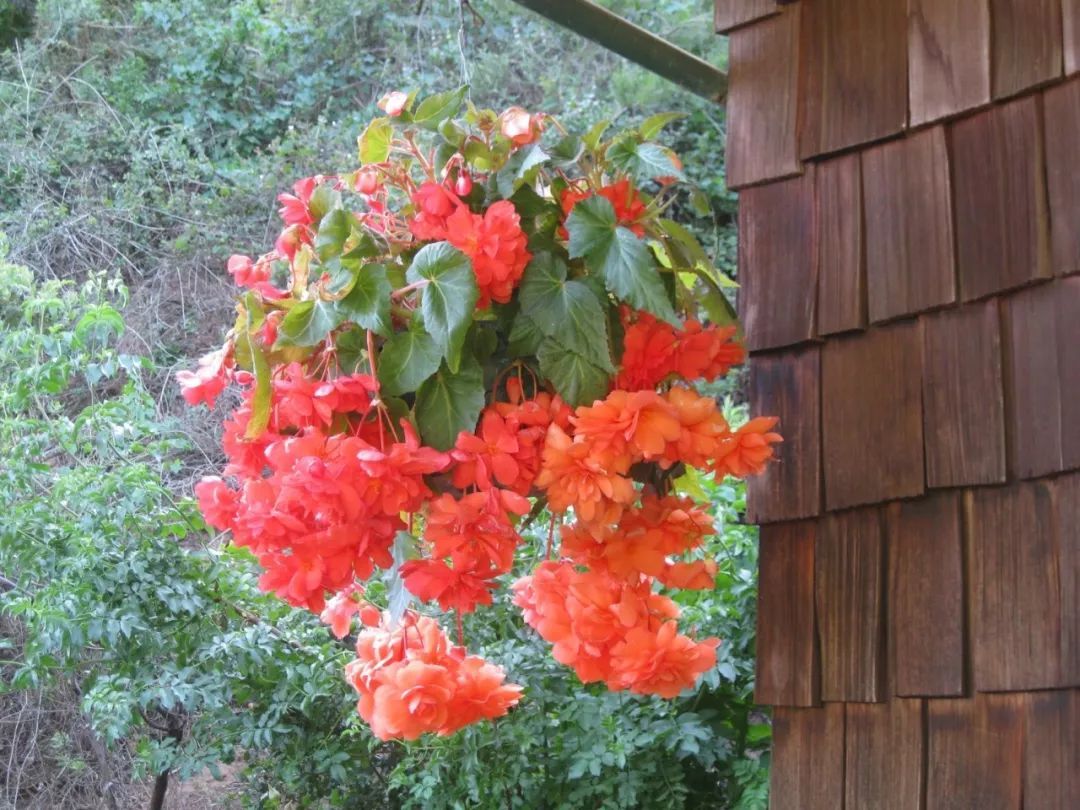
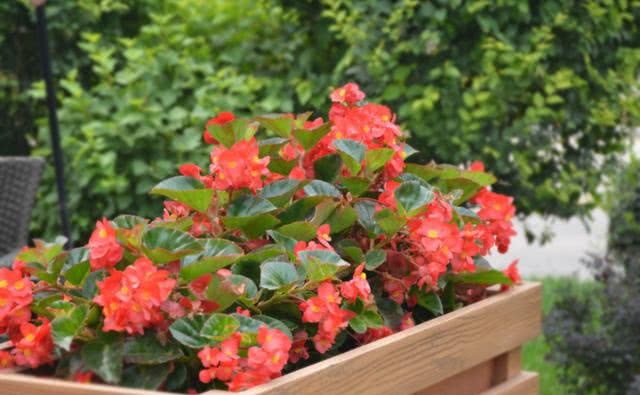
Besides its ornamental value, the fruit of the Western Crabapple can be eaten fresh or made into candied fruit and jam, and the plant is also often used as rootstock for apples. Note that the "crabapple" in its name is not the same as begonia or wax begonia: the former is a woody tree, while the latter are mostly herbaceous flowers. In everyday care, pay attention to ventilation and light, and watch for common pests such as aphids and red spider mites, and the plant will stay healthy.
Related Reading