Characteristics and cultivation methods of Yucca: white blooms with strong ornamental value
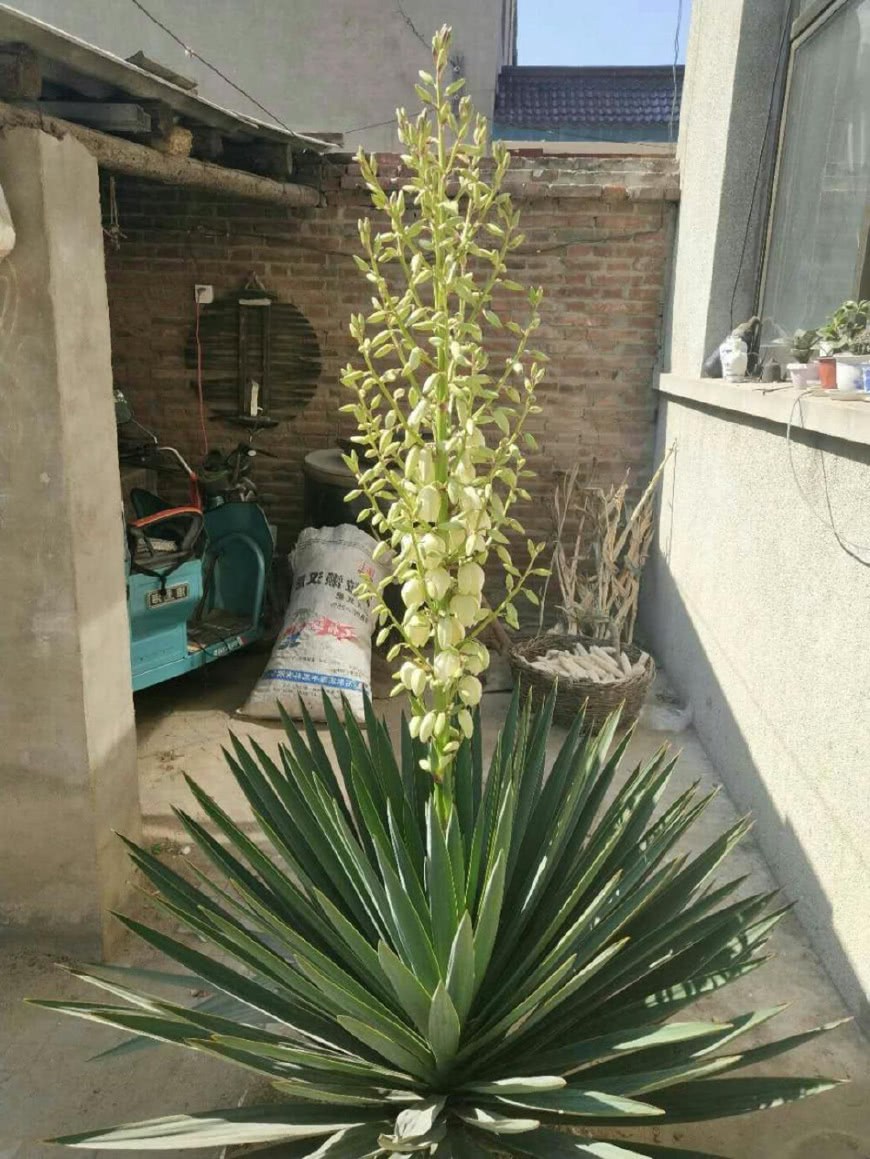
Yucca is an evergreen shrub of the genus Yucca in the family Asparagaceae, native to North America, and today it is cultivated in both northern and southern parts of China. Its leaves are hard and upright, shaped like swords, growing in rosette-like clusters, and the leaf margins often split into fine white threads, which is where the name Yucca comes from.
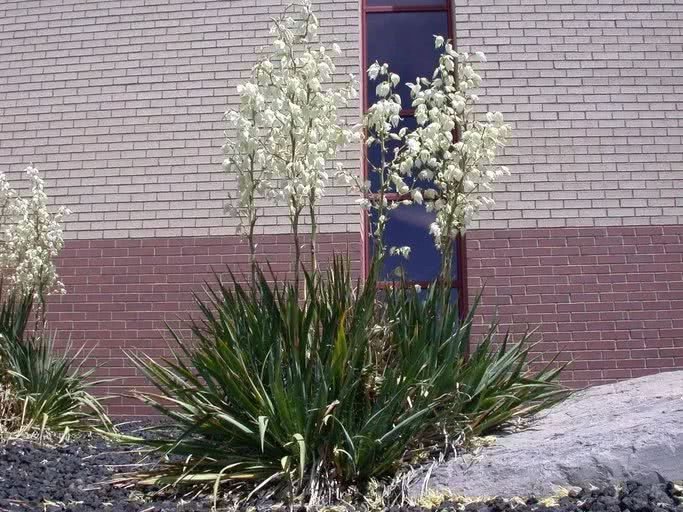
The most striking feature of Yucca is its flowers. Every summer and autumn, a tall flower stalk emerges from the center of the plant, often reaching one or two meters high, with strings of drooping white bell-shaped flowers blooming at the top, like little bells hanging all over; a well-cared-for mature plant can bloom with hundreds of flowers at once, and the ornamental period can last for several weeks.
For care, Yucca likes a sunny, warm and dry environment, is cold-resistant and drought-resistant, and is not demanding about soil, with loose, fertile, well-drained sandy loam being best. Watering should favor dryness over wetness, and long-term water accumulation in the potting soil must be avoided, otherwise root rot easily occurs. Ground-planted plants need almost no special care, while potted plants should be placed in a spot with sufficient light; long-term shade will make the branches and leaves grow leggy and make flowering difficult.
Yucca can also absorb some harmful gases in the air and has a certain air-purifying effect. It is often used for landscaping arrangements in courtyards, along roadsides and in flower beds, and can also be potted to decorate balconies and living rooms; with rough, simple management it can grow very well.
It is easily confused with the similar-looking Yucca gloriosa; the key point of distinction is that Yucca has obvious white thread-like substances on the leaf margins, while Yucca gloriosa has smooth leaf margins or few threads. If dry leaf tips are found during care, it is mostly caused by air that is too dry or improper watering, and it can recover after timely adjustment.
Related Reading