Characteristics of Dianthus and How to Grow It as a Houseplant
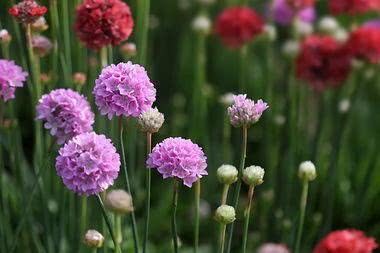
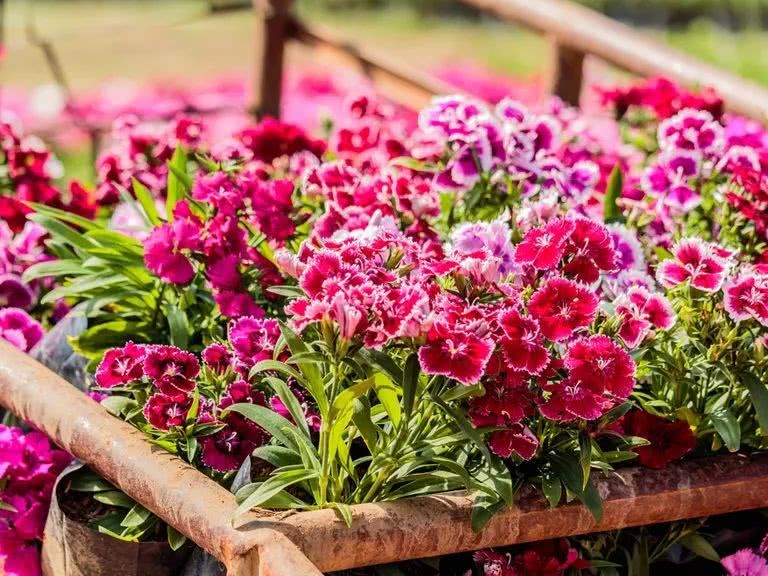
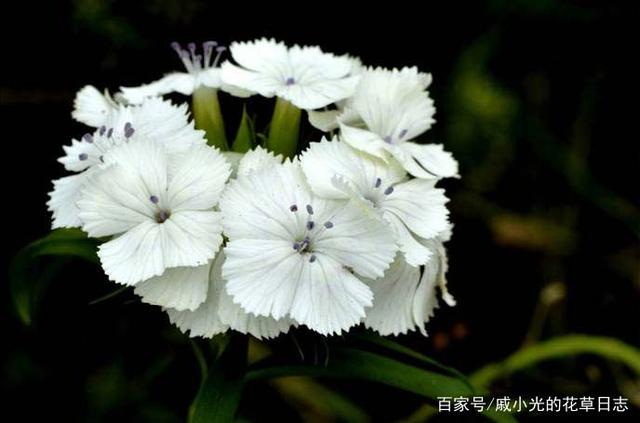
Dianthus (Dianthus spp.) is a perennial herbaceous flower of the genus Dianthus in the family Caryophyllaceae, named for its jointed stems that resemble bamboo, and it is cultivated throughout both northern and southern China. The plant is not tall, with fine, dense branches and leaves; the flowers are small but often bloom in masses, with common red, pink, white, purple and variegated bi-colored varieties, and when in full bloom the colors are bright and highly ornamental. Common Dianthus flowers also include Sweet William (Dianthus barbatus), Dianthus alpinus and Dianthus deltoides, among which the carnation, which we know well, likewise belongs to the large Dianthus family. Dianthus has a long flowering period; with proper care it can bloom from late spring all the way into autumn, making it a very popular plant for flower beds, flower borders and balcony containers. Dianthus likes a sunny, cool and well-ventilated environment and has good cold tolerance, but it fears high temperatures and high humidity. When planting, choose loose, fertile soil with good drainage, and water on the principle of watering when dry and letting it dry out between waterings, avoiding waterlogging in the pot that causes root rot. During the growing season, apply light fertilizer as needed, and promptly cut off spent flowers after blooming to encourage the branches to sprout and flower again. In folk tradition, Dianthus is also often regarded as a medicinal plant; the whole plant can be dried and used as medicine, and traditional Chinese medicine considers it to have heat-clearing and diuretic effects, though specific use should be discussed with a professional physician. In home care, if the leaves turn yellow and flowering decreases, it is most likely due to insufficient light or overwatering; move the pot to a sunny, ventilated spot and reduce watering appropriately, and the plant will usually gradually recover its vigor.
Related Reading