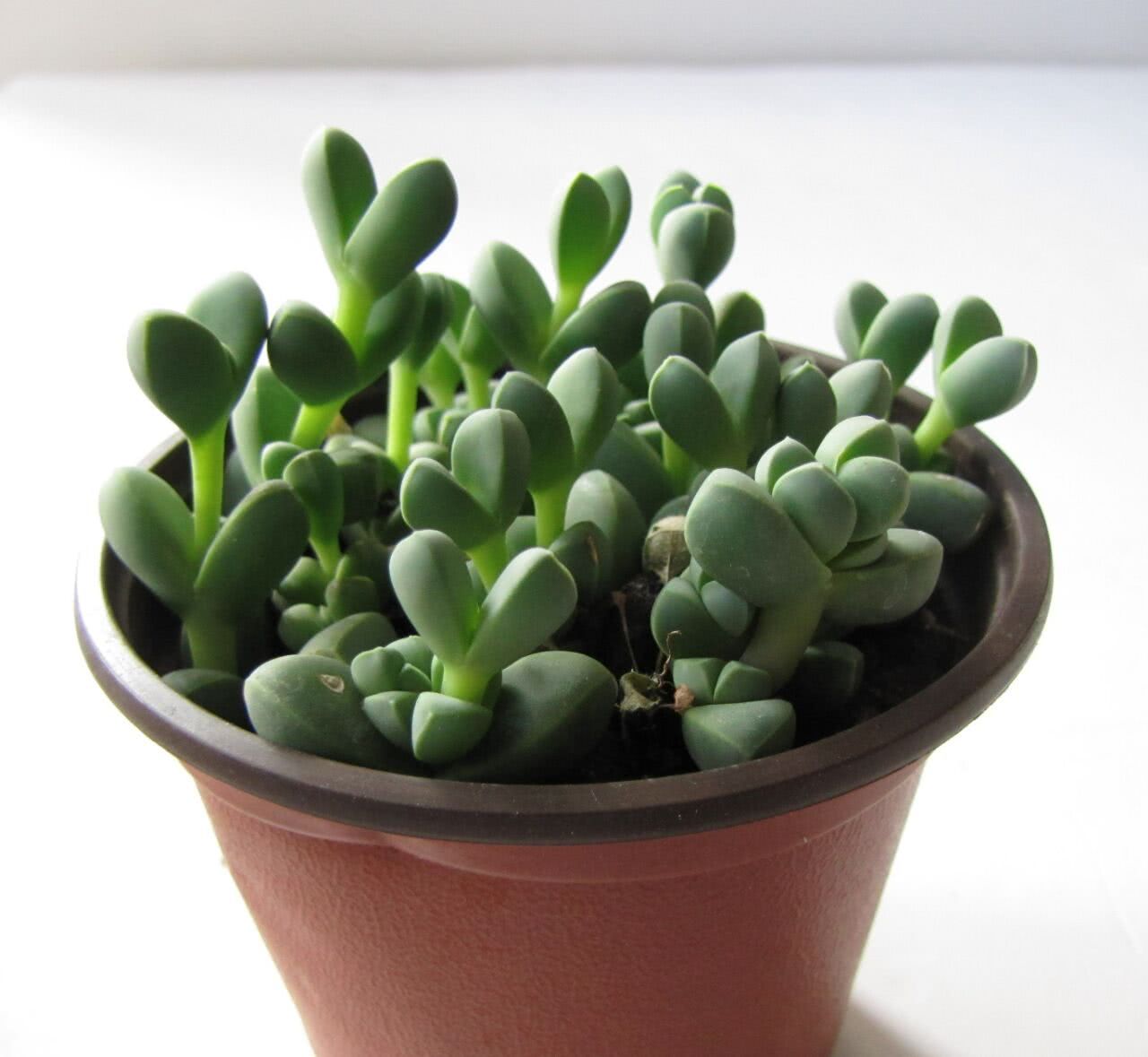
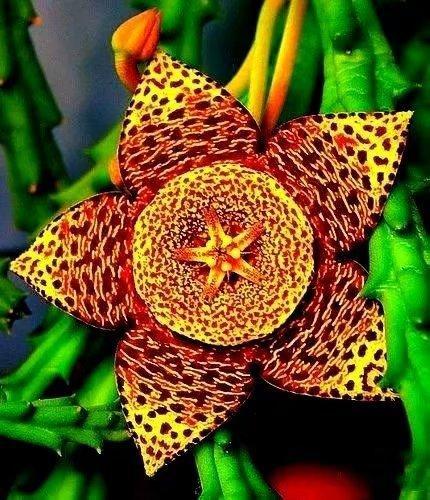
In the phrase "exotic flowers and rare plants," the character "yi" means unusual and different from the ordinary.
In the phrase "exotic flowers and rare plants," the character "yi" originally meant different and special, and by extension came to mean strange and rare. The whole idiom refers to flowers and plants whose varieties are seldom seen and whose form or flower color differs noticeably from common plants; it is mostly used to describe the rare beauty of flowers and plants. Understanding the character "yi" is the key to grasping this idiom.
In Chinese, "yi" is used in a very wide range of contexts. For example, in "rare treasures and exotic jewels," "yi" likewise means special and hard to come by, while in "whimsical ideas," "yi" emphasizes being different from the ordinary and going beyond convention. It is clear that no matter what character it is paired with, the core meaning of "yi" always centers on difference and specialness.
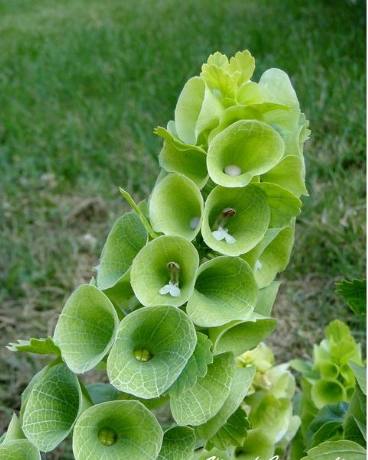
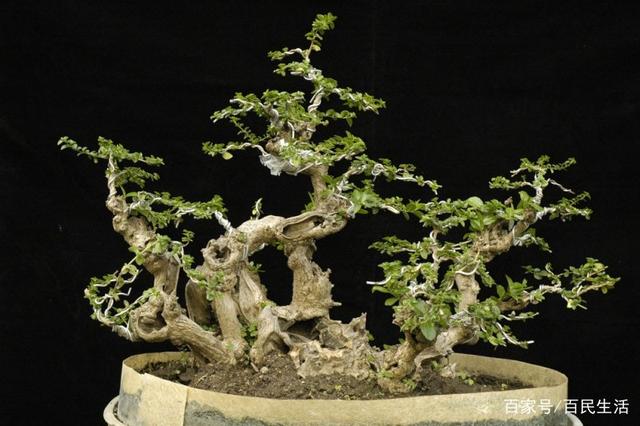
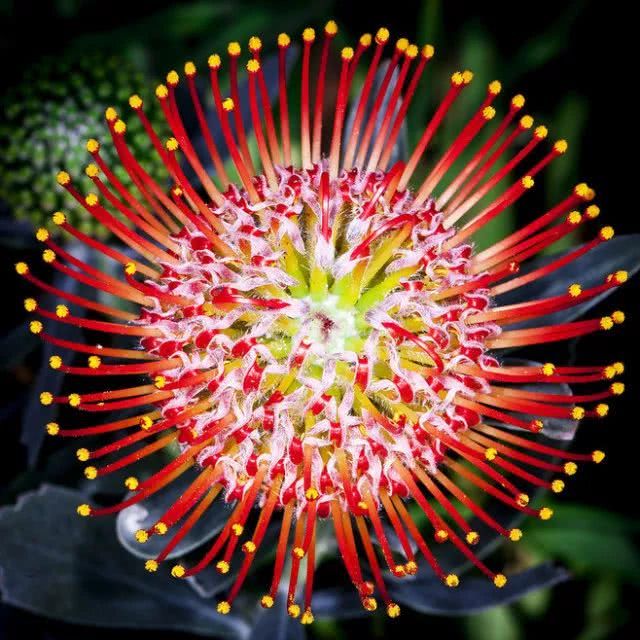
Applied specifically to flowers and plants, "yi" can be shown in many ways. Some plants have unusual flower shapes, some have rarely seen flower colors, and some have growing habits that differ from other plants; for instance, certain foliage plants with distinctive forms and drought-tolerant succulents are often regarded by enthusiasts as "exotic plants." Such plants tend to be especially loved for their strong ornamental value.
It should be noted that "exotic flowers and rare plants" is a general term, not the name of any one specific plant. In everyday use, it can describe flowers and trees rarely seen in nature, and it can also serve as a metaphor for special people or things, carrying a tone of admiration. Once you understand the meaning of "yi," you will not misunderstand this idiom when you see it again.
Related Reading