The "yi" in "qi hua yi cao" (exotic flowers and rare plants) means strange and rare: a detailed explanation of the phrase
The "yi" in "qi hua yi cao" (exotic flowers and rare plants) means strange and unusual, that is, different from the ordinary, commonly seen flowers and plants. This term is often used together with the character "qi": "qi" emphasizes something peculiar and seldom seen, while "yi" emphasizes being different from the rest. Put the two characters together, and they describe those flowers and plants whose shapes are rarely seen, whose habits are unusual, and which are not easy to come across in everyday life.
This kind of usage is very common in Chinese, for example "qi zhen yi bao" (rare treasures) and "zhen qin yi shou" (rare birds and animals), in which "yi" likewise means special and scarce. "Qi hua yi cao" is sometimes also written as "qi hua yi hui", where "hui" is a general term for plants; the two expressions mean basically the same thing, and both are used to describe rarely seen flowers and plants in nature.
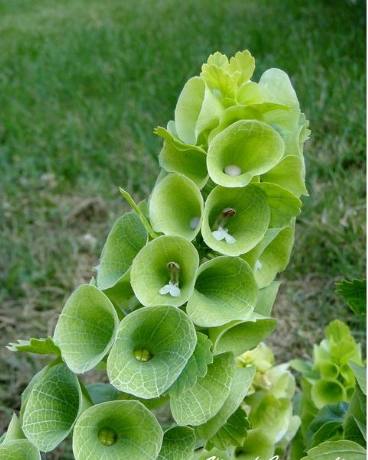
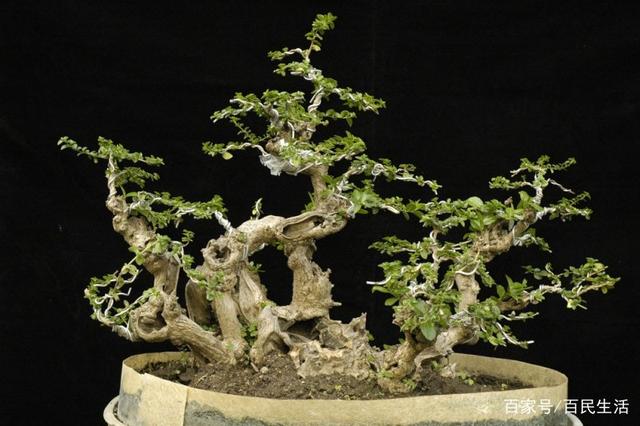
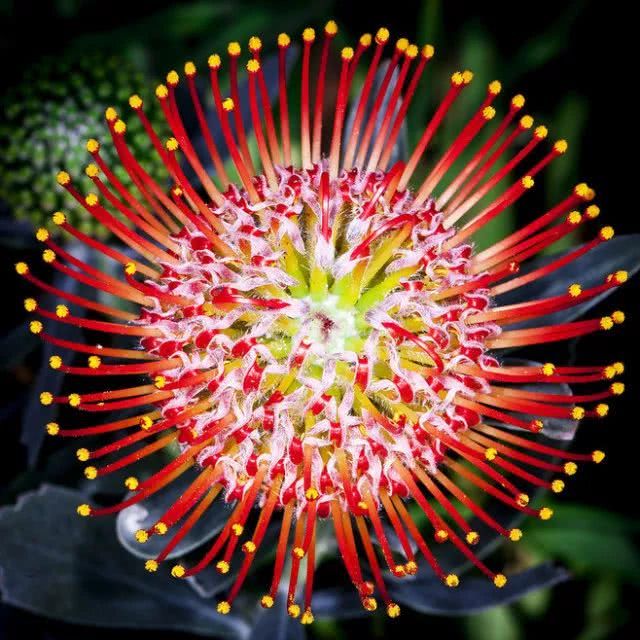
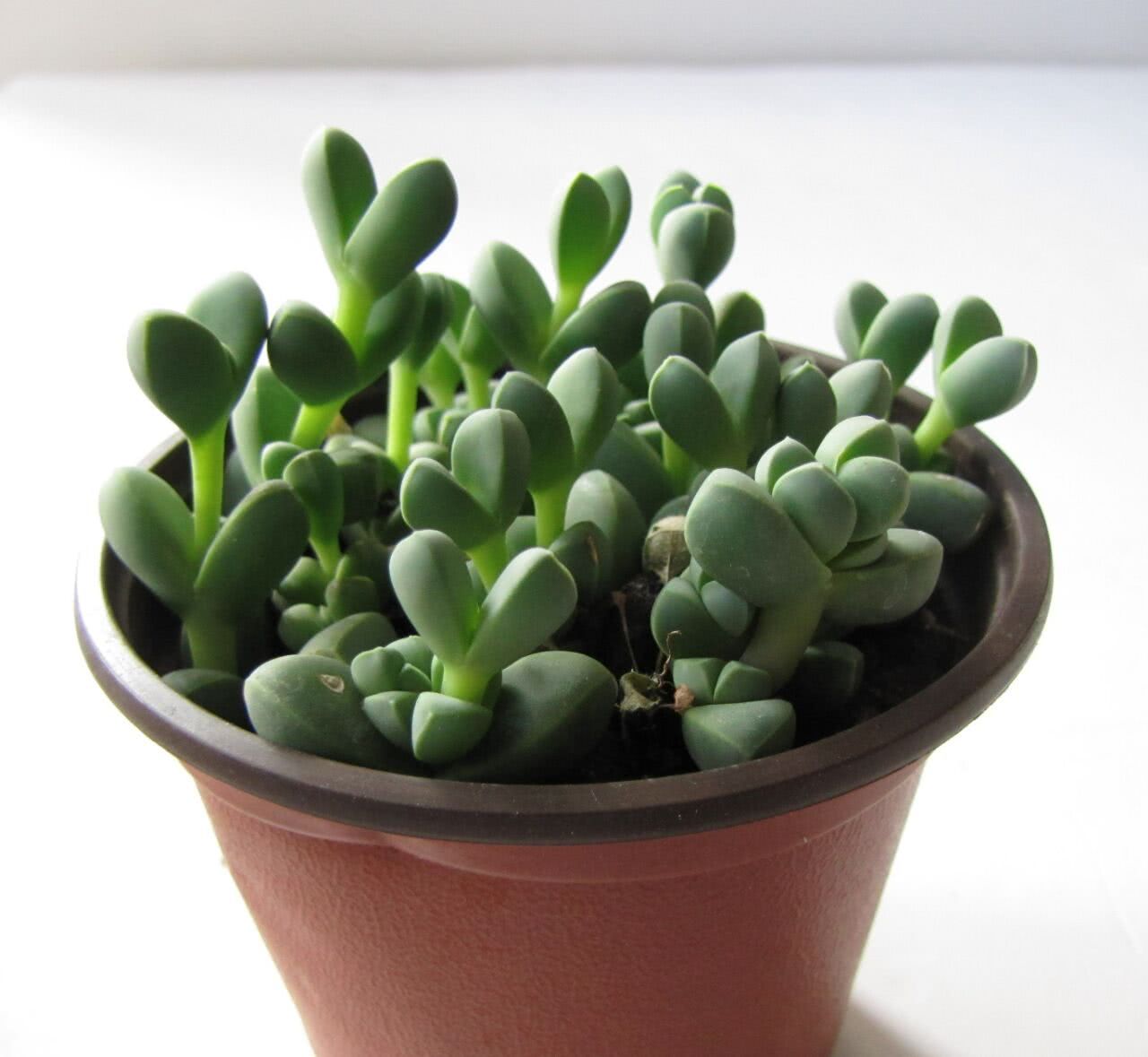
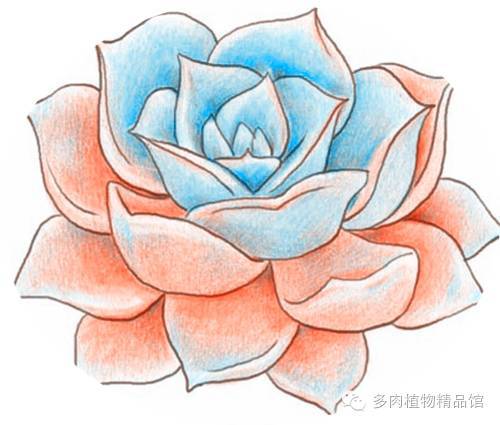
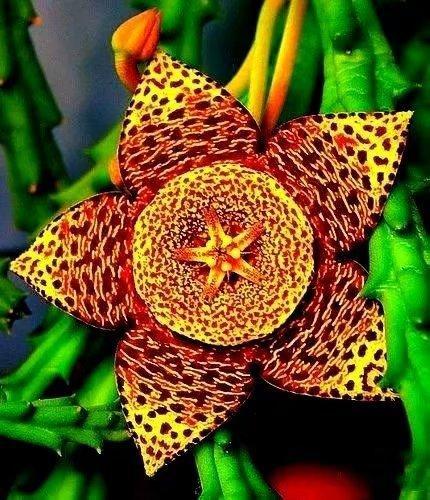
What people call exotic flowers and rare plants usually refers to plants with particularly unusual looks or a unique way of blooming. Some flowers are shaped like small animals, some have curiously twisted leaves, and others grow only in special environments. Because their appearance or habits set them apart, they draw extra attention, and enthusiasts often pot them up to decorate their homes.
Understanding the meaning of "yi" also helps us appreciate the value of these plants. They are not just beautiful; they also reflect the rich diversity of nature, and many of their unusual forms are in fact the result of long-term adaptation to their environment. When caring for such plants, you should arrange light, water and temperature according to each one's own habits; the more you understand them, the easier it is to get them growing well.
Related reading