Growing a Chinese hackberry bonsai this way gives it rugged branches and a natural shape
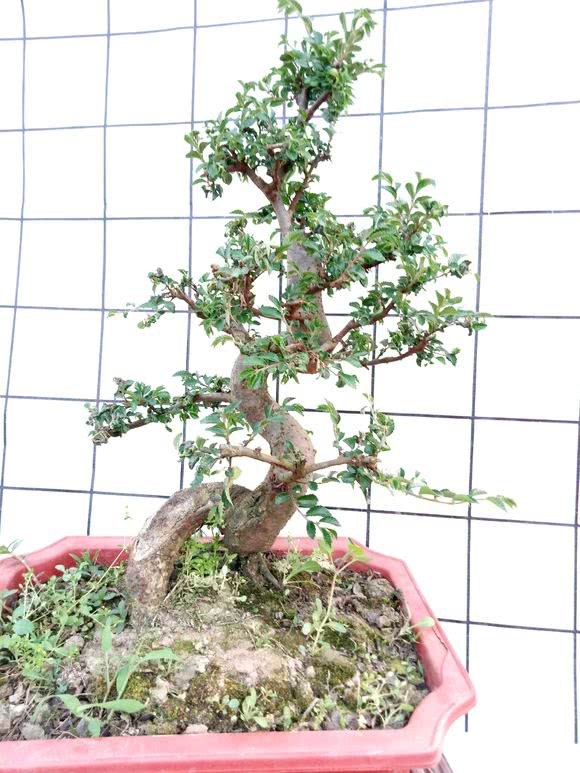
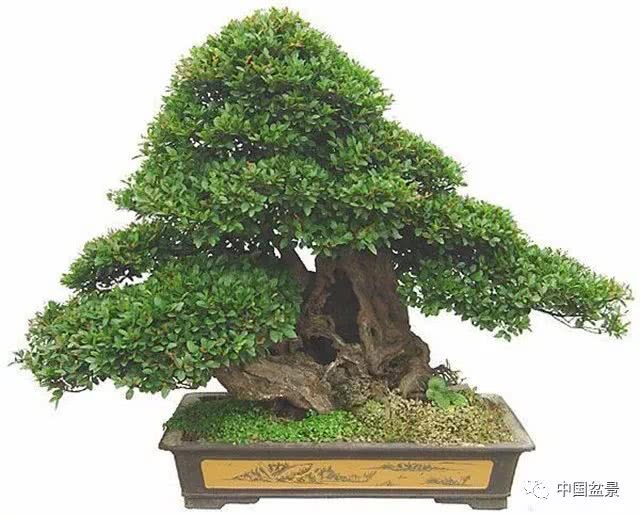
Chinese hackberry bonsai is a stump bonsai made from Chinese hackberry (Celtis sinensis) as the material, and it is very common in the Lingnan and Jiangnan regions. Chinese hackberry is a deciduous tree, known by different names in different places; in some areas it is also called sand hackberry. Its branches are fine, dense and supple, its leaves are small and green, and its old trunk is simple and rugged. Add to that its fast growth, strong sprouting ability and tolerance of pruning, and it is a commonly used tree species for traditional bonsai grown for its form and foliage.
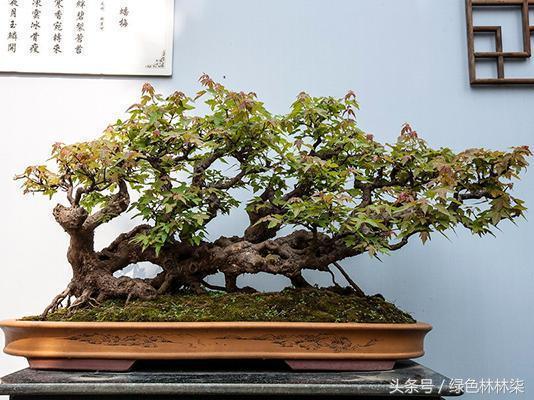
The most outstanding advantage of Chinese hackberry is its well-developed root system, which gives a particularly good exposed-root effect. After raising the roots, the roots become gnarled and interlaced, giving it a strong air of an old tree. Its branches are also quite flexible and can be shaped by wiring or by pruning. Through trunk chopping and branch accumulation, the transition of small branches can be made natural, and the branch pads are clearly layered. A well-made bonsai has an orderly balance of density and openness, and it is especially ornamental in spring when the new buds emerge green.
For care, Chinese hackberry likes a sunny, well-ventilated environment. Usually keep the potting soil moist but not waterlogged; watering can simply follow the principle of drying out then watering thoroughly. It is not demanding about soil, and loose, fertile sandy soil is better for growth. During the growing season, fertilizer can be applied appropriately to promote lush branches and leaves. Generally, repot once every two to three years, and trim the roots and branches along the way to keep the tree shape compact.
In daily management, pay attention to controlling the shape. Chinese hackberry has strong sprouting ability, so timely bud removal and pinching are key; otherwise the branches tend to grow leggy and ruin the original shape. In summer and autumn, when it is hot and humid, strengthen ventilation and pest prevention. If aphids or scale insects are found, deal with them promptly to avoid damage to the leaves.
Overall, Chinese hackberry bonsai is easy to grow and easy to keep alive, and the material is also relatively easy to find, making it very suitable for beginners to practice with. After years of careful cultivation into an old stump, it can also have quite high ornamental value.
Related reading