Bonsai Styling Art Atlas: A Guide to Common Styles and Making Techniques
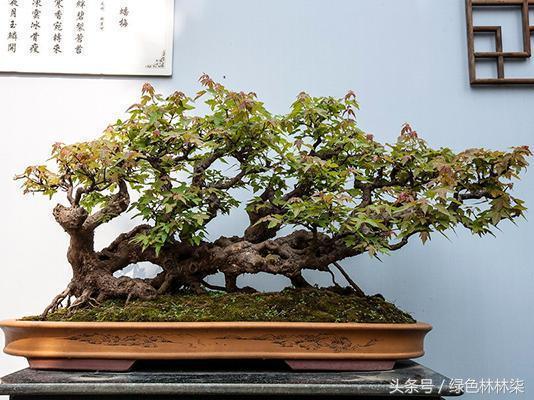
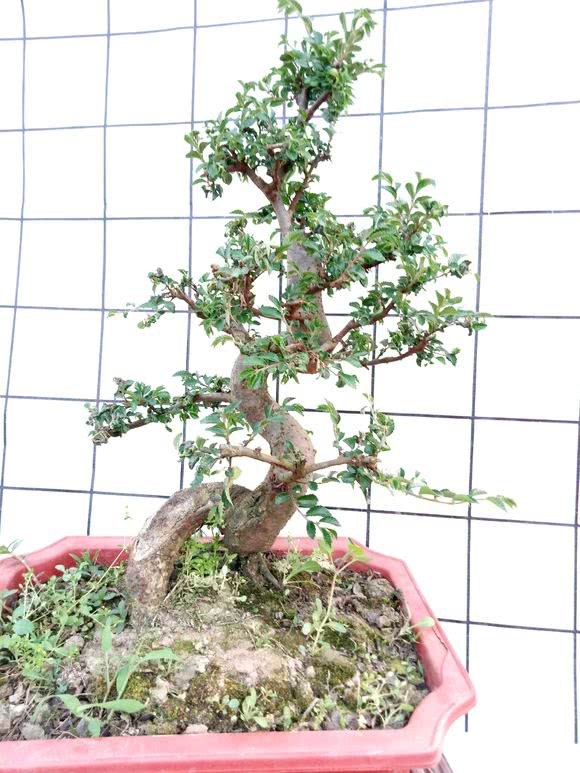
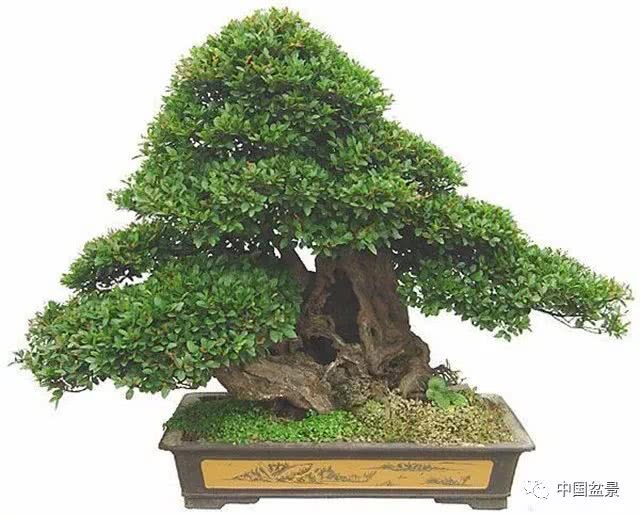
The Bonsai Styling Art Atlas is a collection of images that systematically catalogues bonsai styling forms and making techniques. Usually presented as pictures paired with written explanations, it shows the styling approaches for different tree species, wiring and pruning methods, and the finished results, making it an important tool for bonsai enthusiasts to study and refer to.
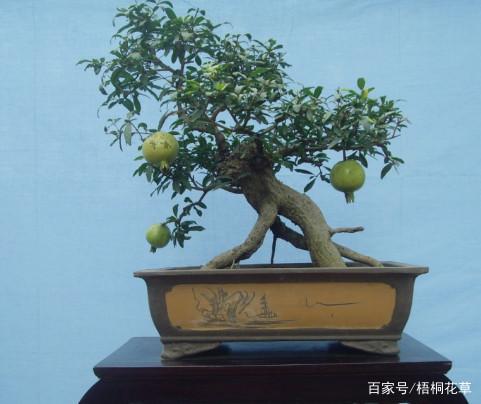
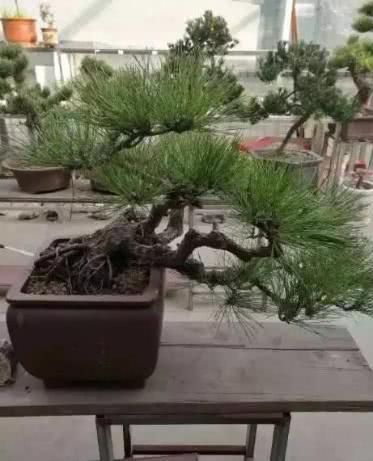
In terms of content, atlases of this kind are generally classified by tree species or styling form. They include common styles such as the formal upright style, slanting style, cascade style, semi-cascade style and forest style, and also cover different plant materials such as pines and cypresses, deciduous trees, and flowering and fruiting species. Each style has its corresponding compositional key points, and through the comparison of illustrated examples, the atlas lets readers intuitively understand the selection and removal of branches and pads and the overall direction of growth.
For beginners, the value of an atlas lies in providing templates they can draw on, helping them understand how an ordinary sapling gradually takes shape through trunk chopping, wiring and pruning; for enthusiasts with some foundation, an atlas serves more to broaden their thinking, letting them appreciate the differences between schools in styling methods and aesthetic orientation.
It should be noted that an atlas only presents the form at a certain stage. In actual practice, adjustments must be made flexibly according to the growth vigor and habits of the tree material itself, and it cannot be copied rigidly. It is recommended to practice while referring to the atlas, combining this with daily watering, fertilizing and pruning management, and shaping and maintaining the tree year by year, so that the bonsai can gradually approach the ideal effect shown in the atlas.
Related Reading