Types of Bonsai Pots and Key Buying Points: the Right Match Brings Out the Artistic Conception
Bonsai pots are containers specially used for planting bonsai. In a work, they not only serve the function of holding soil and anchoring the root system, but also take part in the overall composition and directly affect the ornamental effect. A complete bonsai often requires the pot and the tree stump to echo each other in size, depth and color; only when pot and tree suit each other can it be called pleasing to the eye.
In terms of material, common bonsai pots fall into several major categories, including purple clay (zisha) pots, glazed ceramic pots, porcelain pots, earthenware pots and stone pots. Purple clay pots have good breathability and a rustic texture, making them one of the most widely used types; glazed ceramic pots are rich in color and easy to clean; porcelain pots are fine in texture but relatively weak in breathability and are mostly used as cachepots; earthenware pots are breathable and permeable and affordable, and are often used during the stage of growing and training material.
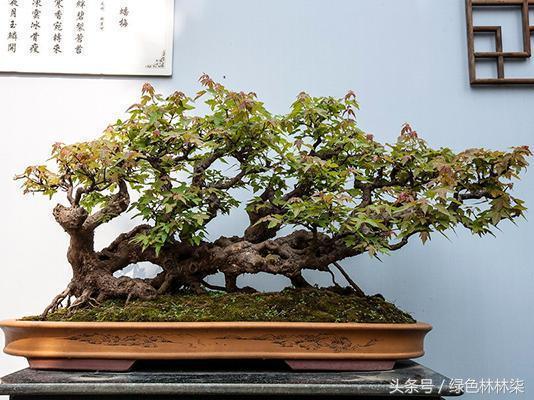
In terms of shape and depth, bonsai pots come in many styles such as round, square, rectangular, oval and crabapple-shaped, and their depths vary greatly as well. Generally, forest-style and water-and-land (penjing) compositions mostly use shallow pots, which look open and natural; cascade-style tree stumps, on the other hand, are often paired with tall, deep cylindrical pots to set off the momentum of the cascading branches. The bottom of the pot usually has drainage holes so that excess water can be drained promptly after watering.
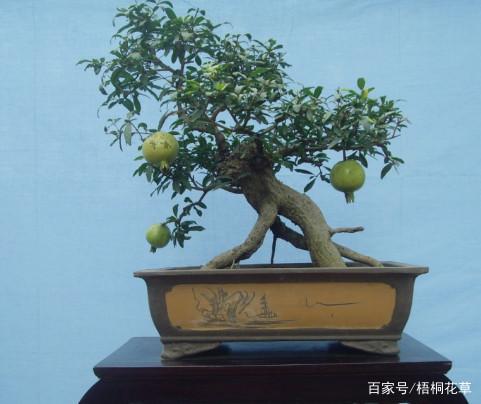
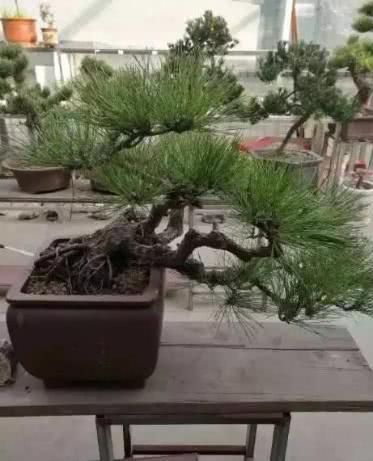
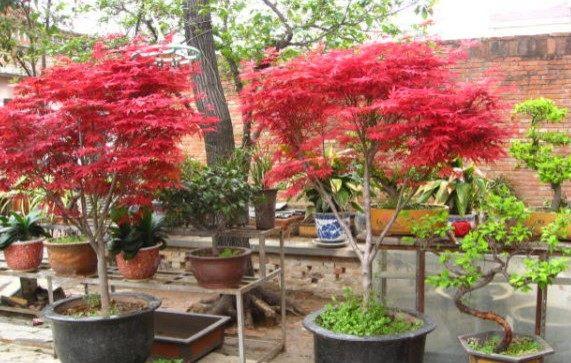
When choosing a bonsai pot, first consider the size ratio: a pot that is too large tends to hold water and cause root rot, while one that is too small restricts root growth, so generally the standard is that it can contain the root system while leaving some room to spare. Color matching also matters: plain, light-colored pots suit dark green pines and cypresses, while dark-colored pots can bring out the colors of flowering and fruiting bonsai. In addition, whether drainage is smooth is related to how difficult later care will be, so pay close attention to it when buying.
During use, bonsai pots should be cleaned and repotted regularly; if the pot is not changed for a long time, the soil tends to become compacted and nutrients are lost, and the plant's growth will noticeably weaken. Repotting is mostly carried out during the dormant period; after removing the plant from the pot, trim the old roots appropriately, fill in fresh soil and replant. Old purple clay and ceramic pots, after being used for a long time, develop a naturally warm and mellow surface texture, which instead adds to their rustic charm.
Related Reading