An Introduction to the Characteristics, Variety Classification and Care Methods of Potted Bonsai and Flowers
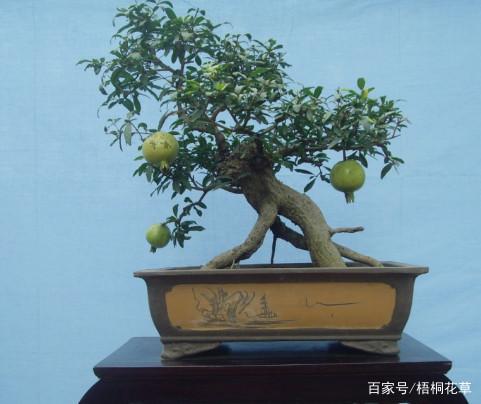
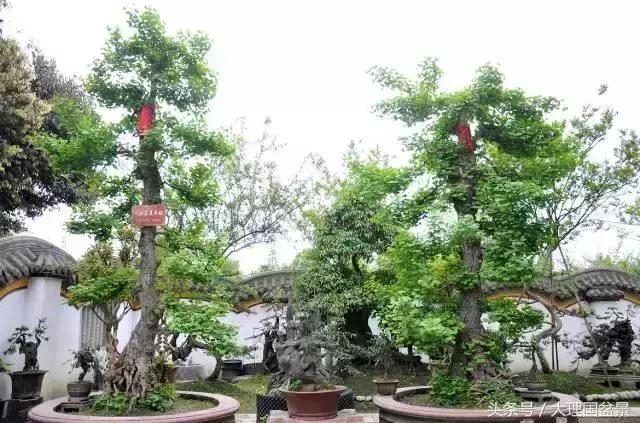
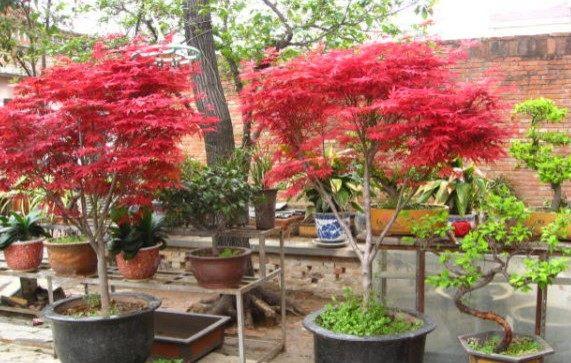
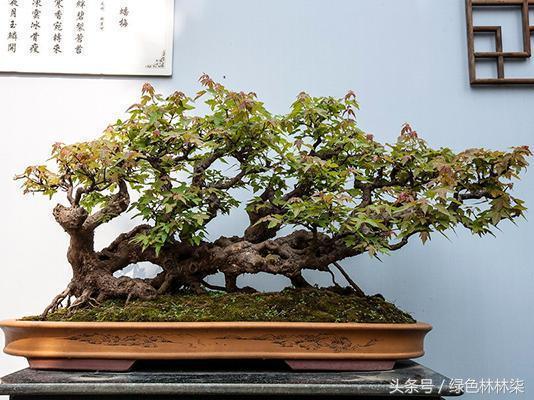
Potted bonsai and flowers is a traditional form of horticulture in which flowers and trees are planted in pots and basins, and shaped with techniques such as pruning, wire training and root exposure, condensing the charm of natural trees and landscapes into a tiny space. It combines the dual nature of plant cultivation and plastic art, emphasizing seeing the large in the small and a well-balanced density of foliage and branches; a good piece often requires many years of care before it gradually takes shape.
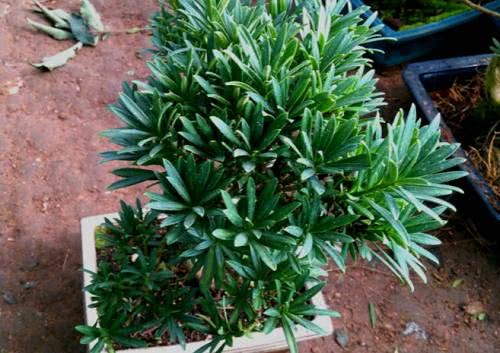
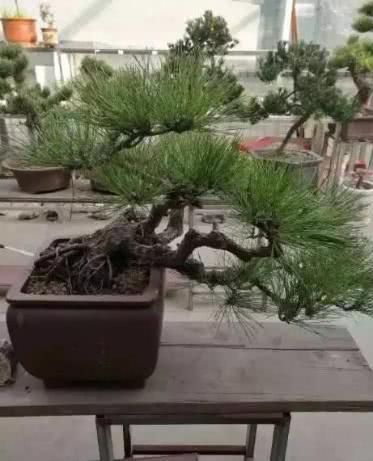
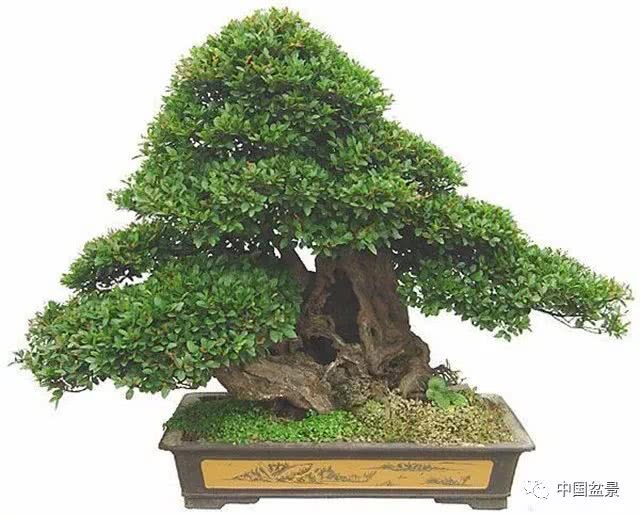
In terms of categories, potted bonsai and flowers can be roughly divided into trunk bonsai and herbaceous flower bonsai. Among the trunk types, conifers and cypresses are the most common, such as Buddhist pine (Podocarpus macrophyllus), five-needle pine (Pinus parviflora) and black pine (Pinus thunbergii); their branches and trunks are vigorous and they stay green all year round, making them the main material for shaping. Flower-watching types include plum blossom, azalea and camellia, whose ornamental effect is outstanding when in bloom; fruit-watching types such as kumquat, firethorn and goji berry combine the beauty of both flowers and fruit. In addition, there are small bonsai made from herbaceous plants such as asparagus fern and sweet flag, with an elegant and distinctive style.
For daily care, because the soil capacity of a pot is limited, potted bonsai and flowers need more meticulous management than plants grown in the ground. Watering should follow the principle of watering when dry and letting dry out between waterings, avoiding waterlogging and root rot; fertilizing is best done with light, frequent applications, supplementing nutrients appropriately during the peak growing season; repot and change the soil once every year or two to renew the root growth environment. As for light, most varieties prefer ample scattered light; in the high heat of summer, appropriate shading is needed, while in winter, attention should be paid to cold protection and warmth.
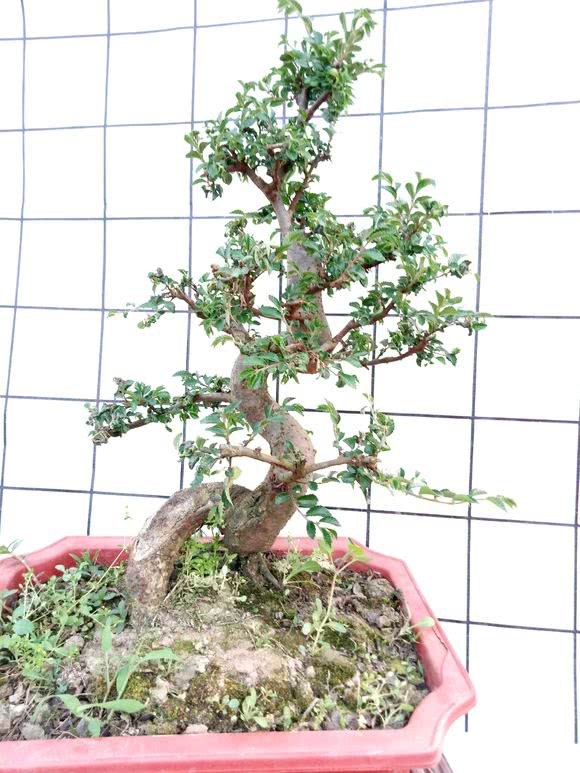
For beginners, it is recommended to start with varieties that are vigorous, have flexible branches and tolerate pruning, such as Buddhist pine, Chinese plum (Sageretia thea) and elm, which have a higher survival rate and are also convenient for practicing basic shaping techniques such as wire training and pruning. There is no fixed formula for shaping; you can work along with the natural form of the sapling itself, and over a long period of exploration slowly come to appreciate the joy of bonsai creation.
Related Reading