Is Purple Sweet Potato the Same as Purple Heart Sweet Potato? A Detailed Explanation of the Differences and Characteristics
Purple sweet potato has become a popular food in recent years, with shops launching all kinds of purple sweet potato desserts, snacks and drinks as selling points. Purple sweet potato and sweet potato cultivation techniques are simple, and many people assume that purple sweet potato is the same as purple heart sweet potato. So what exactly is the difference between purple sweet potato and purple heart sweet potato? What nutritional value does purple sweet potato itself have?
Purple sweet potato vs purple heart sweet potato
Purple sweet potato is a type of sweet potato plant, known in English as sweet potato; while purple heart sweet potato belongs to the yam category, known in English as yam, and the two originally belong to different categories of plants.
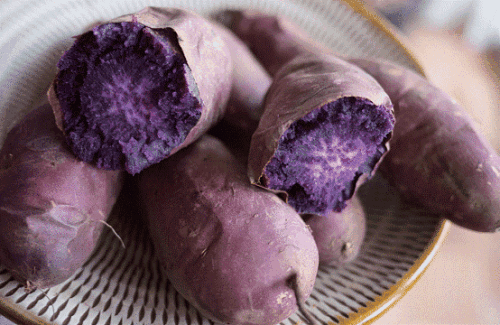
Purple sweet potato and purple heart sweet potato come in different colour categories depending on their place of origin. However, judging by the naked eye, purple sweet potato is generally purple both inside and out, while purple heart sweet potato has skin that can be purple or brown, with flesh that is purple with white streaks. Purple sweet potato is generally slimmer and longer with a smoother skin, while purple heart sweet potato is rougher, shorter and plumper.
In fact, besides the differences in variety and appearance, purple sweet potato and purple heart sweet potato also differ greatly in nutritional value, with purple sweet potato being lower in calories, sugar and starch than purple heart sweet potato. Purple heart sweet potato has about 102 kcal and 5 g of sugar per 100 g, while purple sweet potato has 86 kcal and 4.2 g of sugar per 100 g. By comparison, eating purple sweet potato is lighter.
However, the biggest difference between the two is that purple sweet potato contains as much as 100 times more vitamin A than purple heart sweet potato. Nutritionists recommend a daily intake of 700 to 900 micrograms of vitamin A per person, and every 100 g of purple sweet potato already contains 709 micrograms of vitamin A, which is enough for the recommended daily intake.
Does purple sweet potato change colour after heating?
While purple sweet potato is hugely popular, news of purple sweet potato changing colour has occasionally circulated online, raising questions about genetically modified purple sweet potato and artificial colouring. In fact, purple sweet potato turns green entirely because anthocyanins change colour when heated, oxidised, or exposed to changes in acidity and alkalinity. Purple sweet potato turns green when it meets alkali, for example: baking powder or cooked eggs will make it turn green. So discoloured purple sweet potato has not spoiled, and can be eaten with peace of mind.
Even though purple sweet potato has many benefits, it should still be eaten in limited amounts. One purple sweet potato per meal is just about right. If you exercise little and have gastrointestinal problems, you should reduce your intake, or eat small amounts more often. Moreover, purple sweet potato contains oxidase, which easily produces gas, and eating too much can cause bloating. Furthermore, purple sweet potato has a sugar content, and eating too much can stimulate the stomach to secrete large amounts of acid, making people feel heartburn. People with dampness obstructing the spleen and stomach, or with qi stagnation and food accumulation, should eat it with caution.