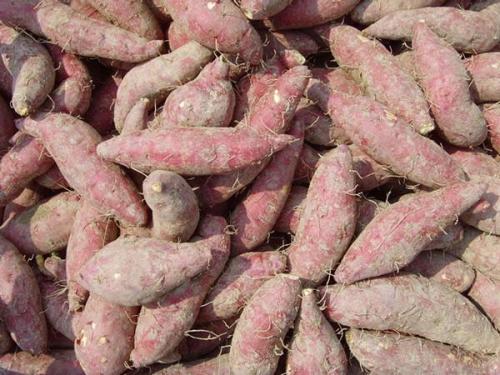
Which Sweet Potato Varieties Are the Tastiest Nationwide and Japan's Sweetest Ranking: Chestnut Sweet Potato Takes First Place
The ranking of the sweetest sweet potato varieties is: Yanshu 25, Xushu 34, Guangshu 87, Zheshu 70, Xinong 431, Zheshu 132, Yizi 138, Xinxiang, Xu 55-2, Zhenghong 22, Jishu 26, Beijing 553, Pushu 23, Xushi 5, Chestnut Fragrance, Shangshu 19, Zheshu 13, Qinshu No. 5, Yushu No. 12, Yu 7-33-27, Zhezi No. 1, Yuzi No. 6, Yan Zishu No. 1, Zhezi No. 3, Ning Zishu No. 2, Jihei No. 1, Zijing No. 2, Early Market, Yuzi No. 7, Wanzi 56.
Sweet potato can be said to be one of the most popular health-conscious ingredients, nutritious and delicious! Besides the yellow-skinned, yellow-fleshed national sweet potato, more and more different varieties of sweet potato are appearing on the market, such as purple sweet potato, each with different characteristics and flavors. We have compiled the characteristics of the six most common sweet potatoes for you; after reading this article you can become an advanced sweet potato expert!
Tainong No. 57 Golden Sweet Potato
Yellow skin, yellow flesh. The texture is soft and fluffy with a rich aroma, suitable for steaming, boiling, frying and roasting, and can be said to be the most popular and most widely used national sweet potato variety in Taiwan, China! It can also be used to make pastries and snacks and to extract starch.
Tainong No. 66 Red-Fleshed Sweet Potato
Red skin, red flesh. It tastes soft and fine, but its sweetness is somewhat lower; it has a high carotene content, and the red-fleshed sweet potato produced in the Jinshan area is especially famous! Suitable for cooking congee, steaming, roasting and food processing.
Purple-Fleshed Sweet Potato (Taro Sweet Potato)
The flesh color is a vivid purple. The texture is rather soft and substantial, slightly drier than No. 57 and No. 66 sweet potatoes, but the aroma has a distinctive flavor! Rich in anthocyanins, it is a natural antioxidant. Suitable for grinding into a paste to make pancakes or cutting into pieces for soup; in addition, because of its beautiful flesh color, it is often used as a natural coloring for fillings or as a raw material for food processing.
[Japanese Varieties]
Chestnut Sweet Potato
Purple-red skin with goose-yellow flesh, aromatic and fluffy texture with few fibers, named for its chestnut-like texture, but its flavor is more moist than chestnuts; its high sweetness makes it addictive from the first bite. The skin is thin, so after scrubbing clean it can be eaten with the skin on; steaming first and then roasting to remove moisture will make the sweet potato's sweetness even more astonishing!
Red East Sweet Potato
Purple skin with orange-red flesh; some people on the market also call it chestnut sweet potato. It is a sweet potato variety from Ibaraki, Japan, with thin skin and high sweetness and a delicate texture, and it is also very suitable for scrubbing the skin with a sponge and eating it together with the skin.
Kintoki Sweet Potato
Purple-red skin with golden-yellow flesh; after washing, the bright purple-red color of the skin is very striking! Few fibers, sweet flavor and dense texture, suitable for steaming and roasting; after cooking, the skin peels very easily. Because of its delicate texture, it is not recommended to cook it into sweet soup, as it easily breaks apart.
About the varieties of chestnut sweet potato
Chestnut sweet potato originates from Japan, but many people are puzzled: how can there be red skin with yellow flesh, red skin with orange flesh, purple skin with yellow flesh, yellow skin with yellow flesh… and so on, yet they are all called chestnut sweet potato?! In fact, chestnut sweet potato is not a variety name; if carefully subdivided, names like "Naruto, Red East…" and so on are the true variety names of chestnut sweet potato. Besides differences in appearance, there are also differences in texture and taste, but they are all varieties with fine fibers and high sweetness, and collectively they are all called chestnut sweet potato. It is also the main raw material for Japanese shochu.