What Plant Is the South American Cycad? Characteristics and Care Methods Explained
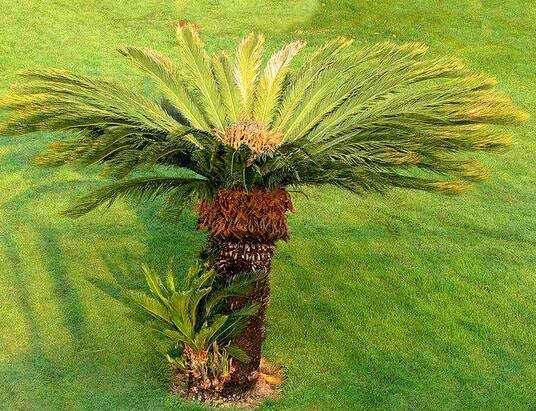
The South American cycad is a common name for cycad-like ornamental plants native to the Americas, and in horticulture it is often used broadly to refer to plants of the genus Zamia and others that resemble cycads in appearance. It has a thick, blocky stem base, and its pinnate compound leaves are hard, leathery and glossy. The overall plant form is low and compact, evergreen through all four seasons, and highly valued for ornament.
Although its name contains the word "cycad," it is not the same plant as the common sago palm (cycad) seen in China; the two merely look alike. By comparison, the South American cycad has broader, thicker leaflets and a smaller plant size, and because it grows slowly and is easy to maintain, it is better suited to being grown as a household potted plant and can also be used to make small bonsai.
The South American cycad prefers a warm, humid environment with plenty of sunlight, and it also has a certain tolerance for drought. When cultivating it, choose a loose, breathable, well-draining sandy soil, and water according to the principle of watering when dry and letting it dry out between waterings; never let the potting soil stay waterlogged for long periods. It is not cold-tolerant, so in winter take good care to keep it warm and protect it from frost; when temperatures are low, it can be moved indoors to a sunny spot for care.
In daily care, if the leaves turn yellow, it is usually related to overwatering, insufficient light or compacted soil, and it can be corrected in time once the cause is identified. During the growing season, applying a little dilute liquid fertilizer is enough; there is no need to fertilize frequently. One thing to note is that the seeds, stems and leaves of cycad-type plants contain toxic compounds, so they are for ornamental purposes only and must never be eaten; if there are young children or pets at home, pay attention to where the plant is placed.
Related Reading