Making a sago palm bonsai is simple - you can definitely learn it
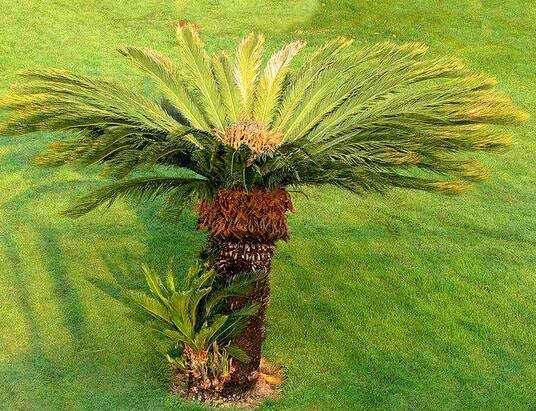
People's lives today can be said to be getting better and better, and more and more people like to grow potted plants to add elegance. I wonder if you have ever heard of or seen the sago palm (Cycas revoluta)? Many people know it can be planted in the yard, but who knows how many people know that the sago palm can also be made into a bonsai? You have to admire human wisdom - the effect of making a bonsai from a sago palm is truly quite good. Do you want to know how it is done?
The sago palm (Cycas revoluta) is a very precious green plant that can be enjoyed for its ornamental value. Its leaves are large pinnate compound leaves, green all year round, and really pleasing to the eye in winter. It is understood that many people like it very much. At many large or medium-sized venues it is used as decoration, placed on both sides of the entrance, and the scenery is truly beautiful. Its leaves can also be used for decoration - they can be mounted in wreaths or used in flower baskets, and of course they can decorate other things too. The flowers and leaves of the sago palm can also be used as medicinal materials; it has the effect of stopping bleeding and relieving coughs, and many of our traditional Chinese medicines can use it.
Sourcing materials There are many ways to make a sago palm bonsai - sowing seeds, burying cuttings, and many other methods all work, and you can choose whichever way you like. However, its trunk is not as hard to process and shape as other bonsai, so when choosing, multi-headed ones, ones with a crooked or slanted trunk, and strange and unusual ones are most suitable.
If you want a better ornamental effect, it is best to choose an oval or rectangular pot, as these shapes are more suitable. There is not much fuss about the potting soil. But when potting, you must ensure a good planting angle and position - the details are also very important.
Processing When making a bonsai with a sago palm, it is best not to plant a single straight specimen; anything else is fine. It is best to plant two together in one pot; of course, you can also plant several together, but you must pay attention to the changes in primary and secondary, and in density and sparseness, to achieve the best effect. Pruning is also an art in sago palm bonsai - promptly cutting away overly dense or poor leaves is very important. Pruning a sago palm is actually fairly simple, but you must be attentive.
The bonsai is best placed in a spot with plenty of sunlight and good ventilation, and the same goes for the sago palm. Of course, it cannot be exposed to scorching sun, and in summer it needs appropriate shading - it cannot be too hot or too cold. When the weather is too hot, remember to spray water on the leaves. In winter, the potting soil is best kept appropriately dry to avoid root rot. For fertilizing, farmyard manure is the main choice.
Like many plants, the sago palm likes an environment with plenty of sunlight and moist air. It is best placed on a balcony at home. The most important thing is watering. Take good care of your bonsai. Take good care of your potted plant, and it will give you an even greater reward.