South American invasive weed becomes a premium wild vegetable in China because it is too delicious
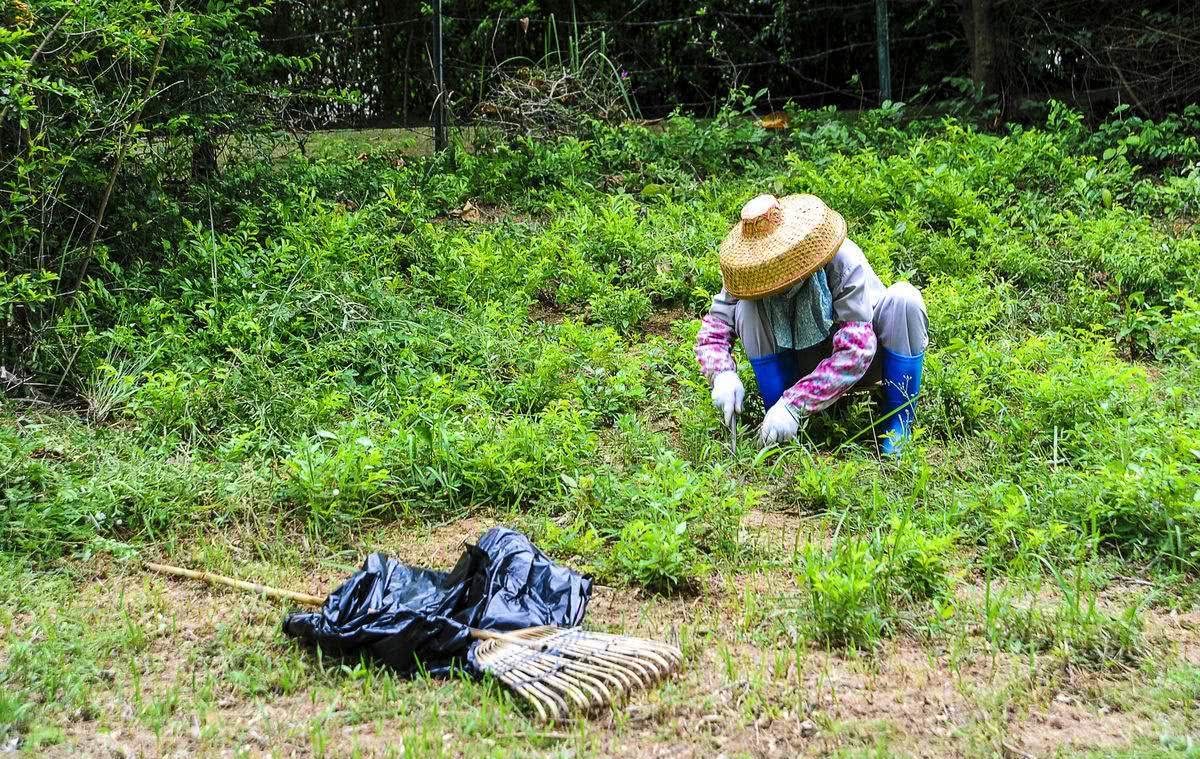
It is once again the annual autumn harvest season, and farmers are working hard on the land, stretching their limbs for the beautiful vision of life, busying themselves in the fields.
In the blink of an eye, the golden corn has put out a large cluster of long tassels, celebrating this golden season like fireworks. But during the process of cultivating corn, there is one thing that troubles farmers greatly, and that is a kind of weed with extremely tenacious vitality. If you are not careful and do not clear the weeds in the field in time, it will grow and reproduce rapidly, competing for the crops' nutrients, and have a great impact on yield.
This weed is called "Galinsoga parviflora", and many friends may have seen Galinsoga parviflora, but do not understand it. Galinsoga parviflora is an invasive alien plant. It is native to South America, and its reproductive capacity is especially strong. With just a little inattention, it can grow into a large patch. It can be said that in South America it has "done many evil deeds", giving local people great headaches.
And this characteristic of Galinsoga parviflora not only gives local people in South America headaches, but after invading China, it also gives Chinese farmers headaches. So in the past, as soon as farmers saw it, they would find a way to remove it, yet its appearance is also deeply loved by artistic young people.
Its petals are very small, but its flower center is large and round, golden yellow, and its leaves are pointed and long, covered with a layer of fuzzy hairs, giving people a lively, cute, fresh and natural feeling.
The stem of this grass, Galinsoga parviflora, is also very long, generally reaching about half a meter. It may be because its height is just about the same as a cow's knee that it is named "cow-knee chrysanthemum" (Galinsoga parviflora).
This plant is usually used as a landscape plant, not only because of its cute appearance, but even more because of its excellent reproductive ability. No matter where it is, as long as the land is suitable for plant growth, it is suitable for growing. Moreover, it is even more so in autumn. It is not picky about where it survives, but it is picky about when it grows. In autumn, when the weather turns cool, it is most suitable for its growth. But this annoying weed is not one of those little plants that are only good-looking on the outside; it also has a great use.
When we are eating spicy and delicious food and feasting in a hot pot restaurant, when you order a malatang takeout during overtime, you absolutely would not think of such a wild weed.
Yes, this is Galinsoga parviflora. Its tender stems have a peculiar fragrance, adding a different kind of flavor to food. It can be stir-fried and eaten, or stewed in soup, but it is mainly used as the base ingredient for malatang or hot pot. It can be said that using Galinsoga parviflora to make hot pot base is absolutely excellent.
Perhaps it is precisely because of this special fragrance of Galinsoga parviflora that its taste is very delicious, and it has also become a "premium wild vegetable".
Besides its edible value, Galinsoga parviflora also has certain medicinal value, with anti-inflammatory and pain-relieving effects, and among the people it is often used as an analgesic herbal medicine.
How about that? A small plant also has countless ties with humans, let alone in the eyes of farmers, it is even a weed harmful to crops. Therefore, we should pay more attention to the relationship between life and nature. Perhaps one day we will discover that nature hides even greater secrets.
Dear friends, do you know about Galinsoga parviflora? You are welcome to leave comments and share your thoughts!