Papaya crabapple blooms in spring, and with proper care its fruit is richly fragrant
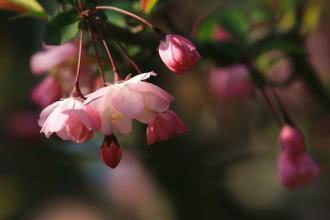
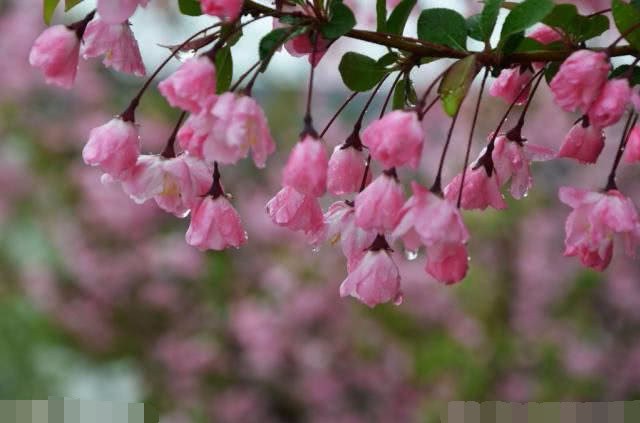
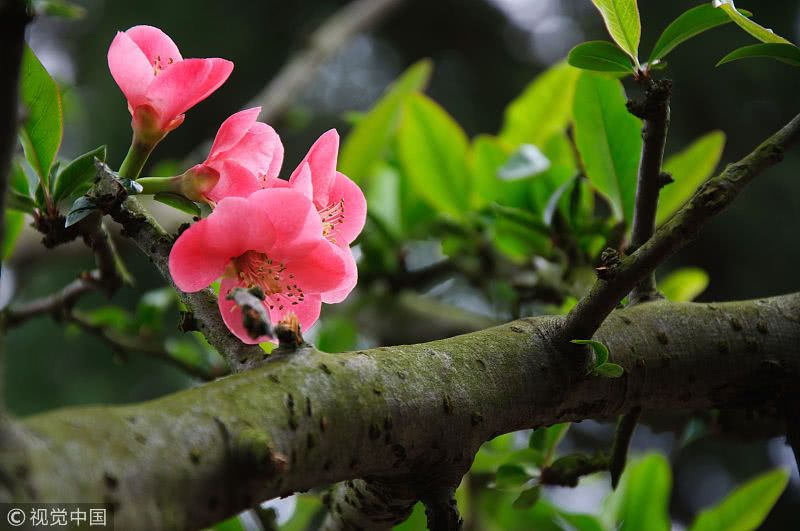
Papaya crabapple (Chaenomeles sinensis, Chinese quince) is a deciduous shrub or small tree in the rose family, genus Chaenomeles, and one of the important ornamental flowering trees and shrubs of spring. Its flower stalks are very short, and most of the flowers open pressed close against the branches; the flower colors include red, pink, white and so on. When in full bloom the whole branch is covered with flowers, making the ornamental effect very striking. In autumn it also produces fruit with a rich fragrance, namely the commonly known papaya (Chinese quince), so you get both flowers to admire and fragrance to enjoy.
As for care, papaya crabapple likes a sunny environment and has some cold and drought tolerance. It is not strict about soil, but grows best in loose, fertile, well-drained spots. Watering should wait until the soil is on the dry side, then water thoroughly; never let water stand for long periods, otherwise root rot easily occurs. Supplement fertilizer appropriately before and after flowering, and after flowering prune away overly dense branches and leggy growth, which lets it bloom more the following year.
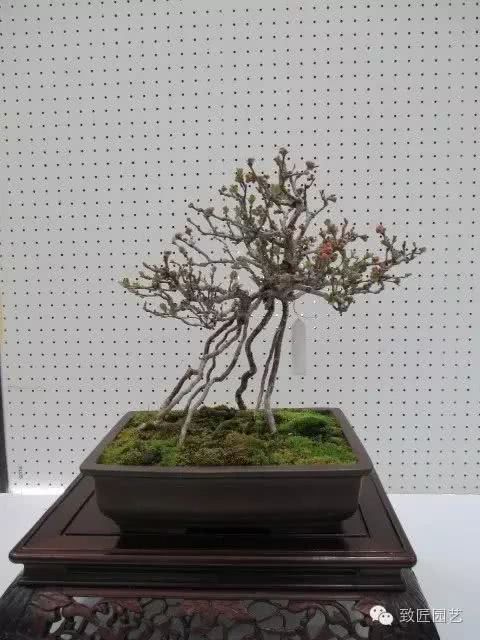
Propagation is commonly done by cuttings, grafting, division and so on, none of which is very difficult. It also has a wide range of uses: it can be planted in courtyards, parks or along roadsides as a landscape plant, and can also be pruned and trained into a bonsai to place on a balcony. In spring you can enjoy the flowers, and in autumn you can enjoy the fragrance of the fruit.
In daily management, take care to maintain ventilation; when light is insufficient, flowering decreases and the branches tend to become thin and weak. In spring and summer there are occasionally pests such as aphids and red spider mites; once spotted, simply rinse the branches and leaves in time or spray to treat them. Overall, papaya crabapple is fairly tough and easy to grow; as long as you give it enough light and avoid standing water, you can enjoy its flowers and fragrance year after year.
Related reading