Jasmine Roots Can Be Used Medicinally for Pain Relief but Are Toxic - Use Only Under Medical Advice
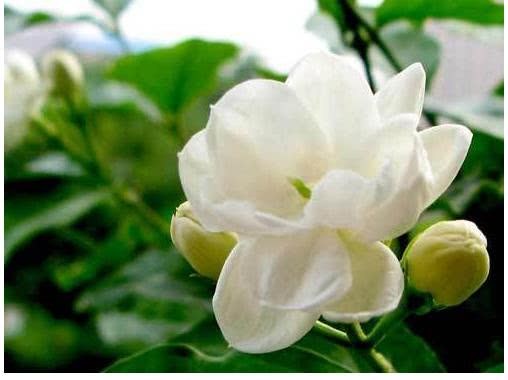
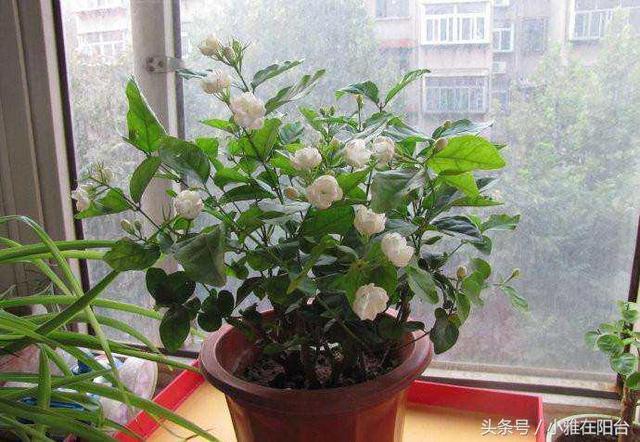
Jasmine root is the underground part of the jasmine plant, a member of the Oleaceae family, genus Jasminum. Jasmine is famous for its fragrance, and people grow it in courtyards and on balconies mainly to enjoy its flowers and scent; the roots rarely get individual attention, but in traditional Chinese medicine, jasmine root is a recorded medicinal material.
As a medicinal material, jasmine root is mostly dug up in autumn and winter, washed clean, sliced and dried for later use. Its nature and flavor are bitter and warm, and it is traditionally believed to have an anesthetic and pain-relieving effect. In folk practice it is often used as a decoction for gargling or mashed and applied externally to relieve bruises and toothache, and is seldom taken internally directly.
It should be noted that jasmine root is toxic, and improper internal use can easily lead to poisoning, so do not dig it up and boil it for consumption on your own. If there is a genuine medicinal need, it should be used under the guidance of a doctor or pharmacist, and special groups such as pregnant women should avoid it even more. After handling the roots during routine repotting and division, simply wash your hands in time; there is no need to be overly nervous.
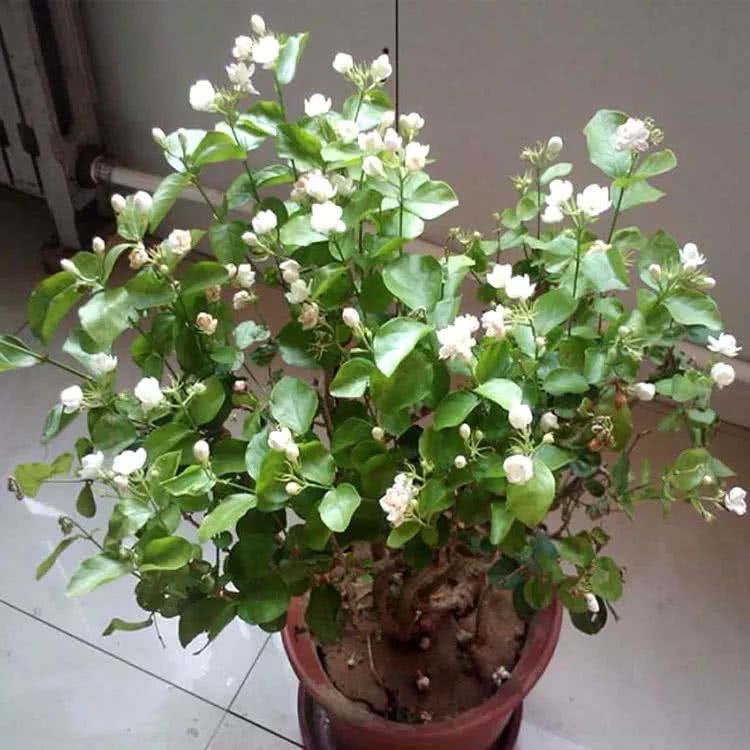
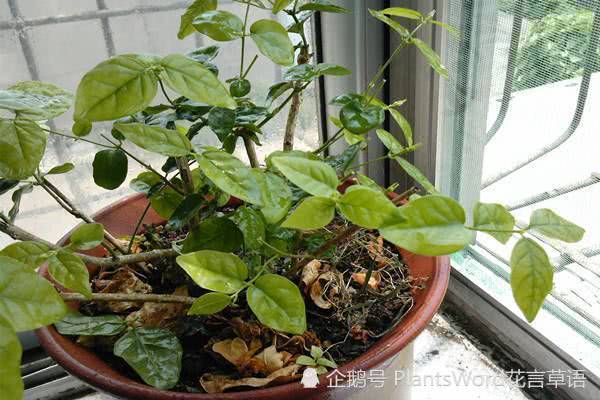
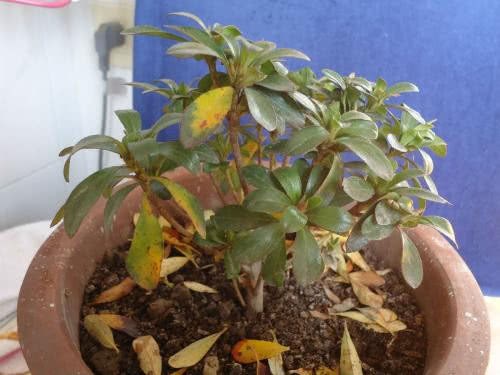
For flower growers, jasmine roots are also a barometer of plant health. Only when the root system is white and strong can the plant have lush leaves and abundant flowers; if overly frequent watering causes root rot, the above-ground parts often show yellowing leaves and dropped buds and flowers. Usually choose loose, breathable soil, avoid water accumulating in the pot, and combine this with sufficient light and timely pruning, and jasmine will have strong roots and vigorous growth, blooming from early summer all the way to late autumn.
Related Reading