What to do when Chinese roses, camellias and jasmine get root rot? Bury some base material in the flowerpot to prevent it
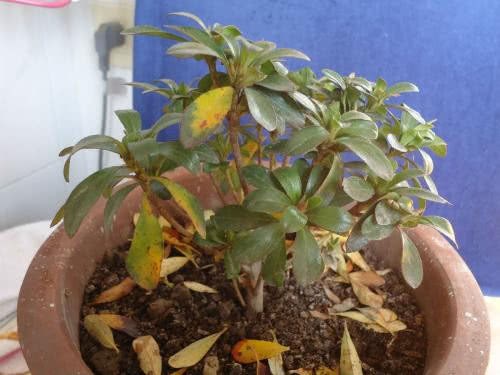
Recently many gardening friends have reported that their Chinese roses, camellias, jasmine and other plants have all shown varying degrees of root rot.
There are many causes of root rot, mainly overwatering, compacted potting soil, root damage, a poorly ventilated location, and so on.
So how should root rot be handled? Today Hua'er will introduce the general way to deal with root rot.
1. Signs that root rot has appeared
Generally speaking, when the leaves droop and wilt, the flowers fall off for no reason, and the leaves keep dropping as well, these are all signs of root rot.
2. Remove the rotten roots
When a plant shows root rot, you need to take the plant out of its pot, dig out the root system and check it, first dealing with the soil on the roots; you can rinse them with clean water, but be careful not to use too much force.
Generally speaking, white roots are healthy, while black, soft and mushy roots are all dead; you can use scissors to cut away the rotten roots, then soak them for half an hour in a carbendazim solution to sterilise them, and after soaking, put them in a cool, ventilated spot to dry.
Note: if more than 90% of the plant's roots have rotted, then just start over from scratch: cut off the roots, select a healthy section of stem, and root it in water.
3. Replanting
The old soil from before cannot continue to be used, because after root rot it harbours a large amount of bacteria, pests and so on, so you need to replace it with new soil; you can use garden soil, then mix in sand, perlite, maifan stone, volcanic rock and so on, which can increase the soil's air permeability.
Before putting in the soil, first place some tile pieces, nut shells and so on in the flowerpot to help with drainage, which can also prevent the soil from compacting.
4. Follow-up care
For a plant that has been replanted, just water it thoroughly once, then first place it in a cool, ventilated spot to let it adapt to the environment; after about a week it can be cared for normally.
That is all for dealing with root rot. If gardening friends have anything to add, you can share it with everyone in the comments section below. If you want to learn more about growing flowers, you can follow Huajianke!