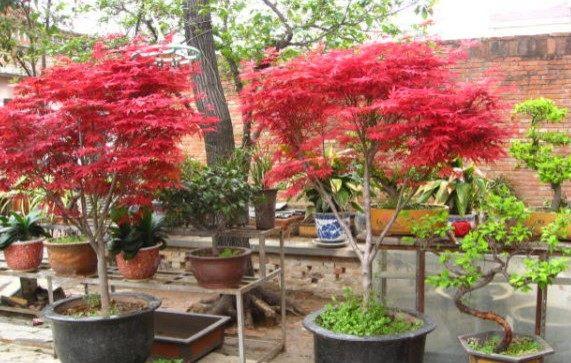
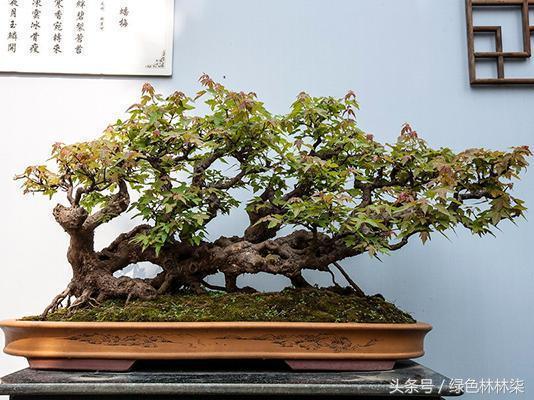
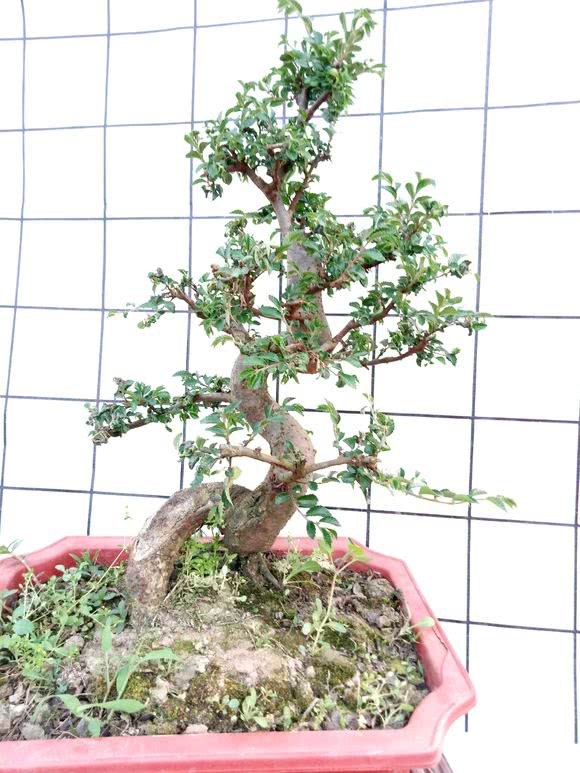
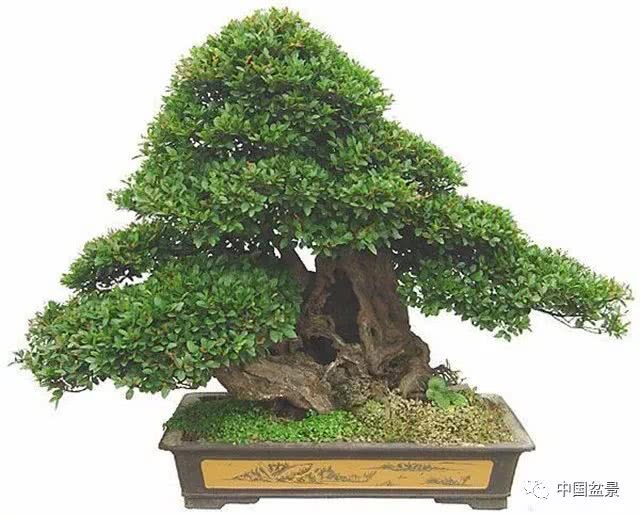
A Complete Gallery of Podocarpus Bonsai Pictures to Help You Understand the Varieties and Styling Features
Podocarpus bonsai is a stump bonsai created using Podocarpus as the material, named because the combination of its seed and seed receptacle resembles a monk wearing a kasaya. It is evergreen year-round, with rugged branches and fine, dense leaves, and the older the tree, the more antique it appears, making it one of the most popular tree species in traditional Chinese bonsai.
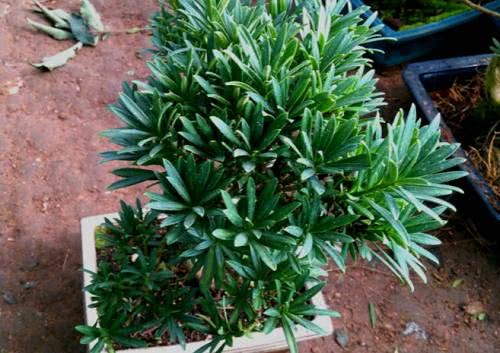
Common Podocarpus varieties include fine-leaf Podocarpus, sparrow-tongue Podocarpus, pearl Podocarpus, and others; different varieties differ in leaf size, branch density, and growth rate. Varieties with smaller and more compact leaves are often better suited to expressing refined bonsai styling, and are therefore more favored by enthusiasts.
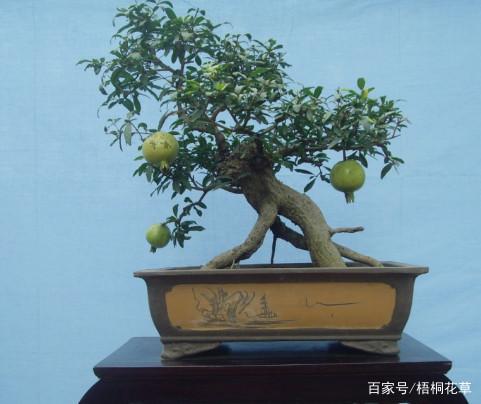
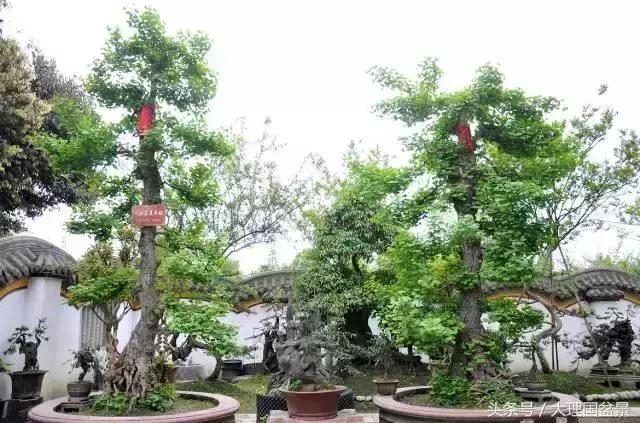
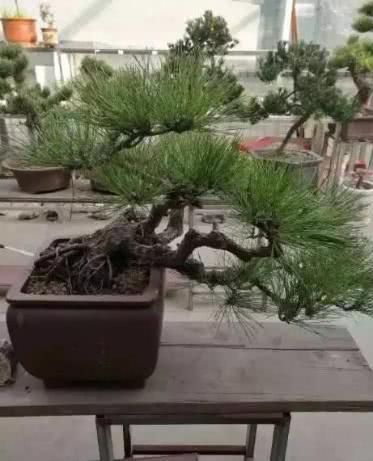
From the perspective of appreciating pictures, Podocarpus bonsai mostly adopts styles such as formal upright, slanting, cascade, and double-trunk, combined with shaping techniques such as wiring and pruning, presenting postures that are either upright or gnarled. When choosing, you can focus on the overall proportions, the distribution of branches, and the spirit conveyed by the bark and leaf color.
In terms of care, Podocarpus prefers a warm, humid environment with ample light; daily care should keep the pot soil moist but not waterlogged, apply light fertilizer frequently during the growing season, and prune and pinch buds regularly to control the tree shape. Pay attention to cold protection during low winter temperatures, and when kept indoors for long periods, it should also receive sunlight at appropriate times, so that the plant can maintain dark green leaves and steady growth.
Related Reading