A Detailed Guide to Jasmine Planting Methods and Care Tips
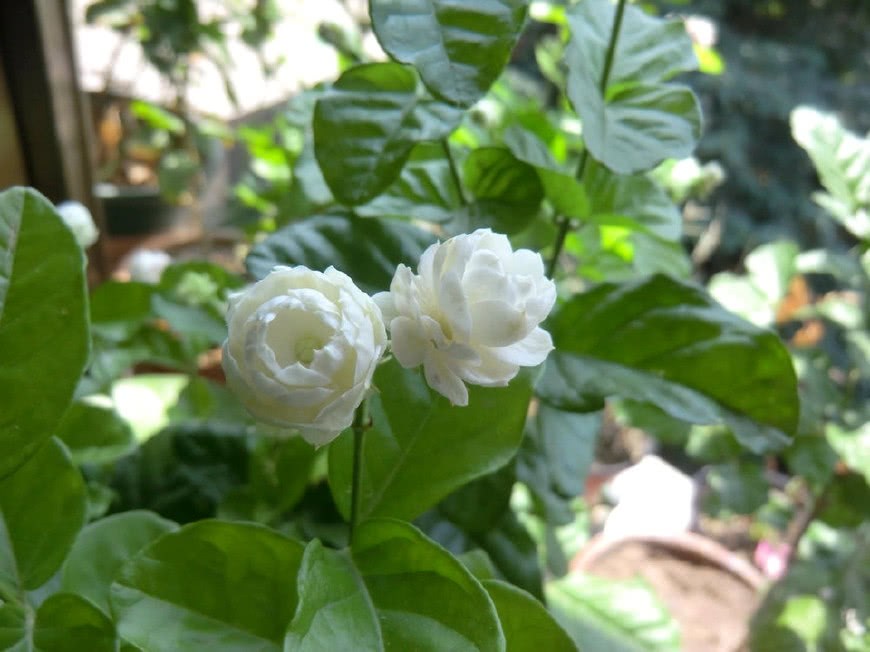
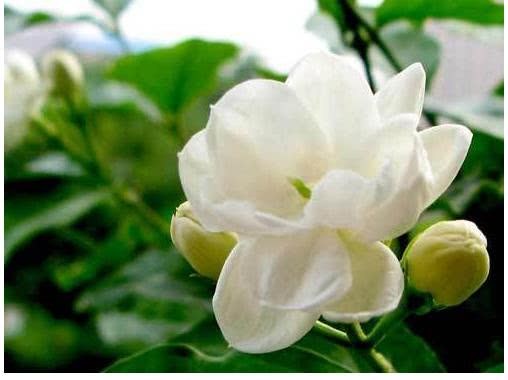
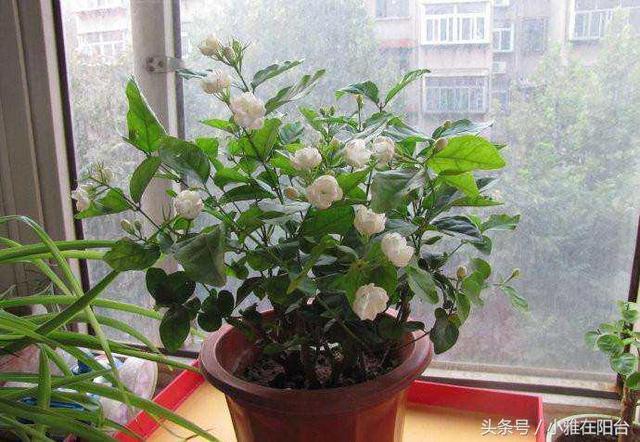
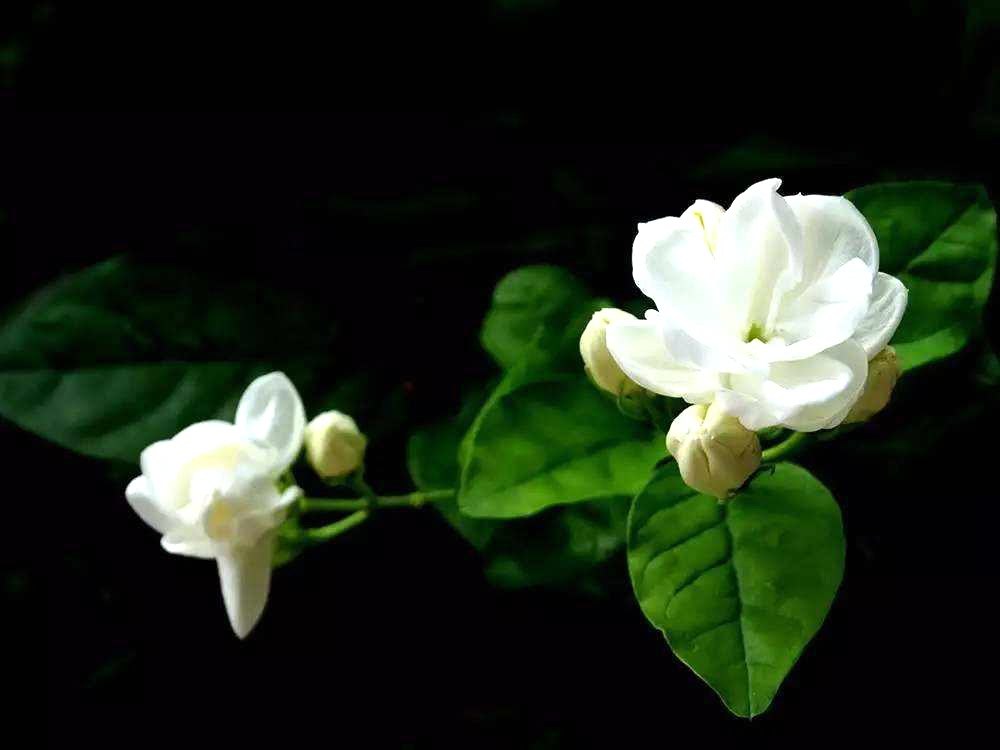
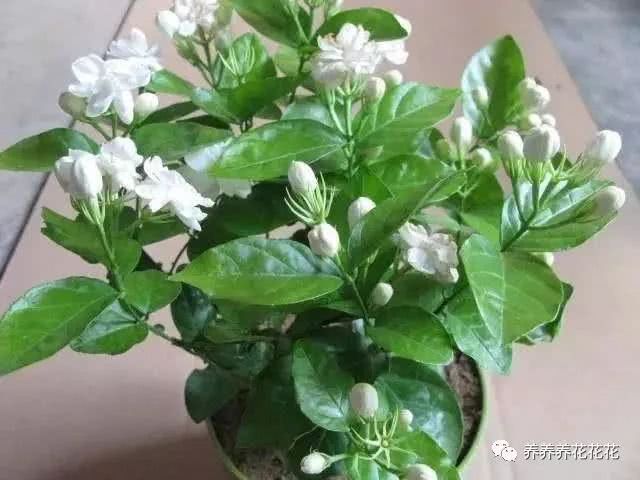
Jasmine is an evergreen shrub in the genus Jasminum of the family Oleaceae, with slender branches, opposite leaves, and small, pure white flowers with a fresh, intense fragrance. It thrives in warm, humid conditions with plenty of light, and is suitable both for planting in the ground in courtyards and for growing in pots on balconies, making it one of the common fragrant flowers in China.
When planting jasmine, the first step is to choose good soil; a loose, fertile, well-drained, slightly acidic sandy loam is best, and for pot cultivation you can mix leaf mold, garden soil and a small amount of river sand. In daily care, place it in a spot with abundant sunlight; the more light it gets, the more vigorous the plant grows and the more flowers it produces. Water according to the principle of letting the soil dry between waterings, and avoid waterlogging in the pot, which can cause root rot.
Jasmine likes fertilizer; during the peak growing season and the bud-forming stage, apply light fertilizer frequently, and supplement with phosphorus and potassium fertilizer before the flowering period to produce more buds and a stronger fragrance. In addition, jasmine flowers on new branches, so promptly cutting off spent flowers and overly dense branches after flowering encourages new shoots to sprout and prepares the plant for the next round of blooming.
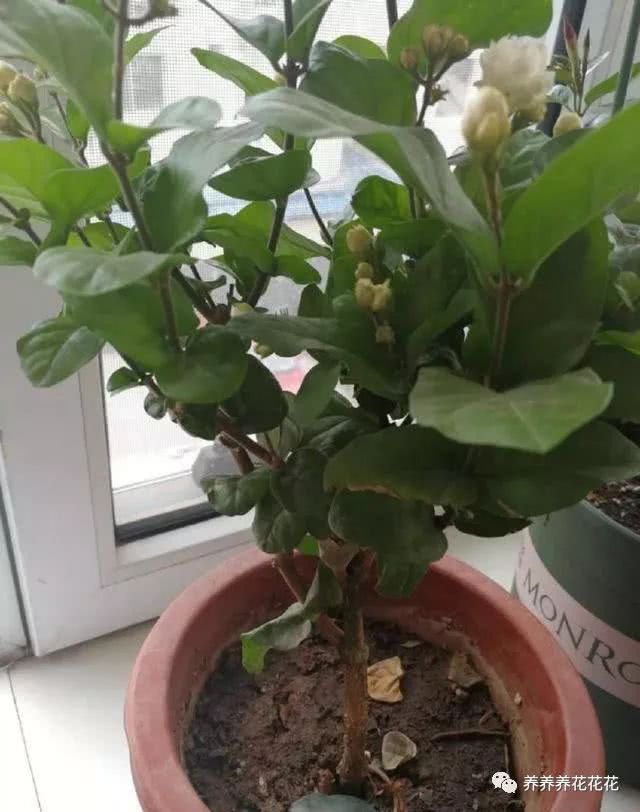
Common problems in care include yellowing leaves and plants that only grow leaves without flowering; the former is mostly caused by overwatering or soil that is too alkaline, while the latter is often related to insufficient light and too much nitrogen fertilizer. In northern regions, winter temperatures are low, so potted plants should be moved indoors to a warm place in time and watering should be reduced, so the plant can overwinter safely and continue to bloom abundantly the following year.
Related Reading