Tubers are swollen underground stems that store nutrients; here are the key points for planting and care
A tuber is a modified form of underground stem, formed by the swelling of the tip of a stem or a side branch. It is mostly irregularly block-shaped or round, and stores large amounts of starch, sugars and other nutrients inside. It serves both as the plant's nutrient warehouse and as the means by which it survives winter and sprouts the following year. Unlike root tubers, tubers are modified stems, with buds or eyes distributed over the surface; given the right conditions, they can sprout into new plants.
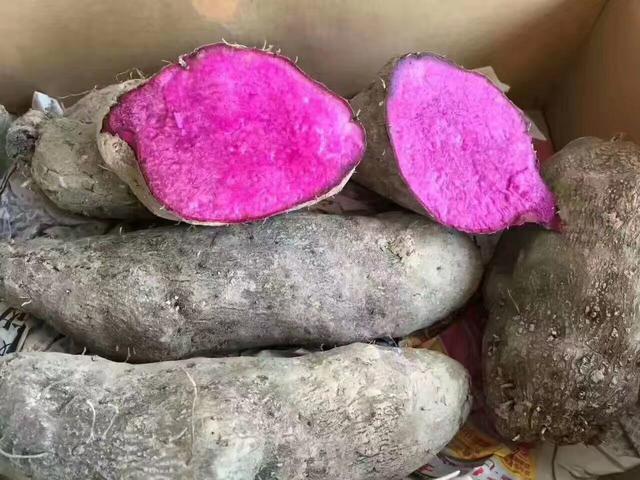
There are quite a few common tuberous plants in daily life. Among edible types, the potato is the most typical, while Jerusalem artichoke, Chinese yam and Chinese artichoke are also very common; among medicinal types there are Gastrodia elata and Pinellia ternata; among ornamental types, plants such as cyclamen, Caladium and gloxinia also rely on tubers to store nutrients and sprout and bloom anew each year. In horticulture these plants are often grouped as bulbous plants, and their growing methods share much in common.
Tubers are also important propagation material. When propagating by cutting into pieces, as long as each piece keeps more than one bud eye, and the cut surface is left to dry before being planted in loose, airy soil, it can sprout into a new plant; the method is simple and the survival rate is high. For care, choose well-drained sandy loam, keep the soil moist but not waterlogged during the growing season, and supplement potassium fertilizer appropriately during tuber enlargement, which helps nutrient accumulation. After harvest or repotting, tubers should be stored in a cool, ventilated place to avoid dampness and mold.
In everyday growing, tuber rot is mostly caused by overwatering, poor soil drainage, or planting before the cut surface has dried; treating the wounds before planting and controlling the amount of water can effectively prevent it. In addition, when edible tubers such as potatoes sprout and turn green, substances harmful to people accumulate inside, and in that case they should no longer be eaten.
Related reading