Boxwood Bonsai: Fine, Dense Branches and Leaves - Care Like This for Even Better Condition
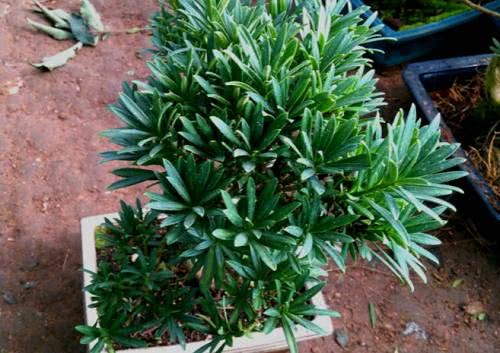
Boxwood bonsai is a bonsai made from plants of the genus Buxus, with commonly used species including Chinese boxwood (Buxus sinica var. parvifolia) and Harland boxwood (Buxus harlandii), among others. This type of tree has fine, solid wood, small leathery leaves, stays evergreen through all four seasons, and is slow-growing with strong sprouting ability and tolerance for pruning, so it has long been regarded as an excellent material for making bonsai.
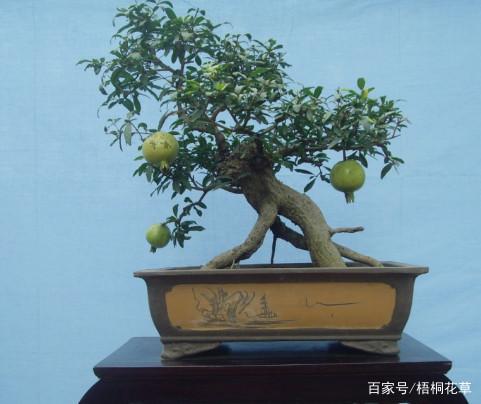
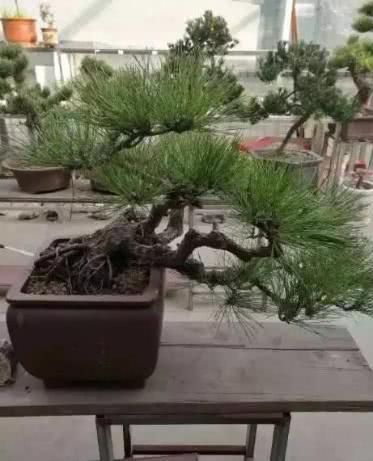
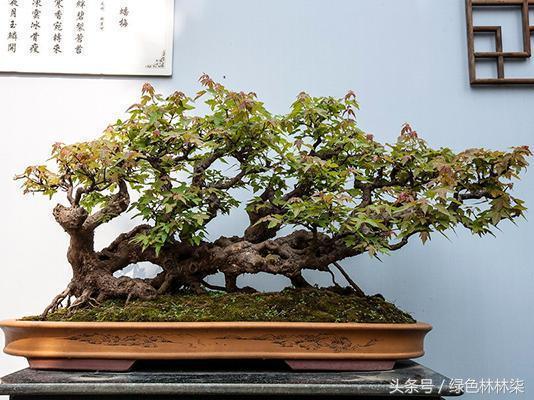
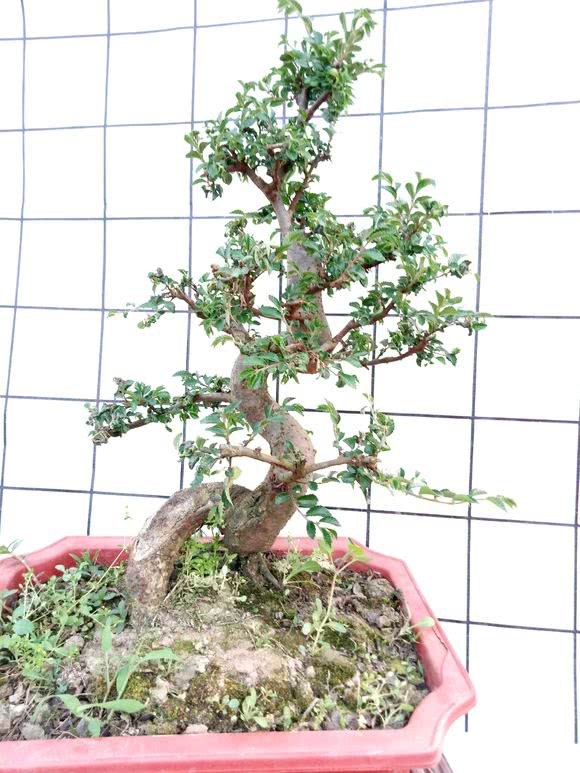
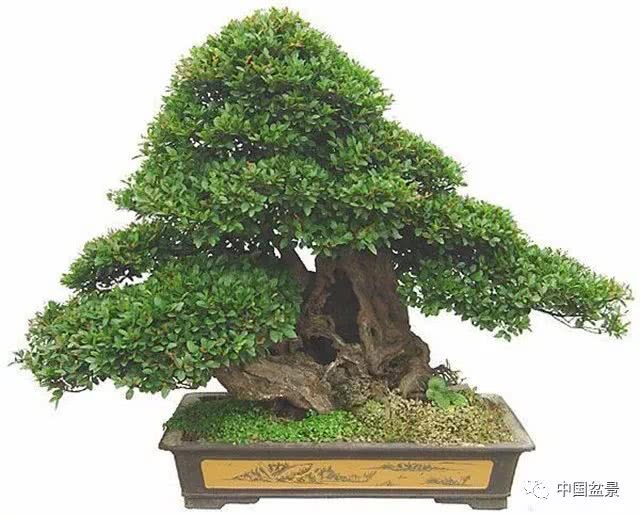
In terms of styling, boxwood branches and trunks have good callusing ability; after years of care, the trunk often takes on an ancient, rugged look, and the branches can be gradually adjusted in direction through wiring, making it suitable for many forms such as formal upright, slanting, cascade, and forest styles. A finished boxwood bonsai has compact foliage pads and clear layers, and looks great whether placed in a courtyard or a hall.
For daily care, boxwood likes light and also tolerates slight shade, so it is best placed in a ventilated, sunny spot, with appropriate shading during the high heat of midsummer. Water by the principle of letting the soil dry before watering thoroughly, avoiding long-term water accumulation in the pot, and during the growing season apply light fertilizer frequently. Pruning should mainly be light pruning and pinching, combined with wiring to slowly shape the foliage pads; repotting can be done once every few years, along with root trimming and replacement of the growing medium.
Also pay attention to keeping the environment ventilated; under damp, stuffy conditions the leaves tend to turn yellow and the plant is prone to pests such as scale insects, which should be cleaned off and treated with pesticide as soon as they are found. Overall, boxwood bonsai is long-lived and slow-growing, and the longer it is kept, the more charm it has; as long as you are patient, an ordinary household can also grow a fine specimen.
Related Reading