A Detailed Guide to the Care and Shaping Techniques of Boxwood Bonsai
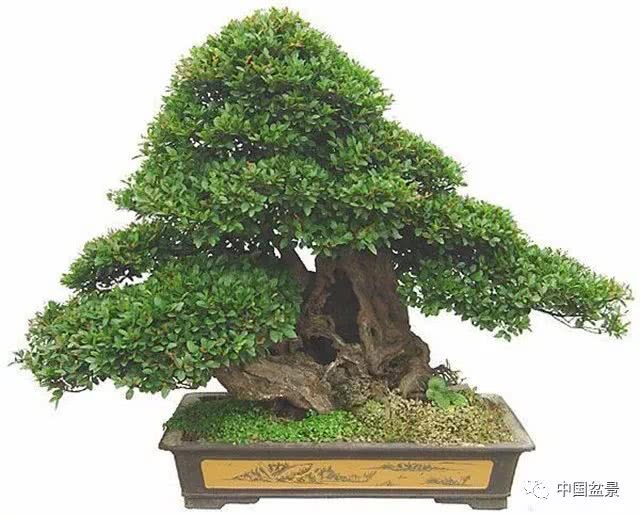
Boxwood bonsai is a traditional stump bonsai made from plants of the Buxaceae family, and it is deeply loved by bonsai enthusiasts. Boxwood is an evergreen shrub or small tree, with small leathery leaves that stay green all year round, and tightly grained woody branches. It tolerates pruning well and has strong sprouting ability, and because it grows slowly, it is popularly called "the thousand-year dwarf," making it very suitable for creating rugged, ancient-looking shapes.
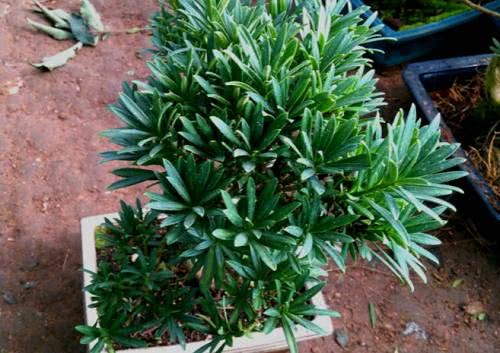
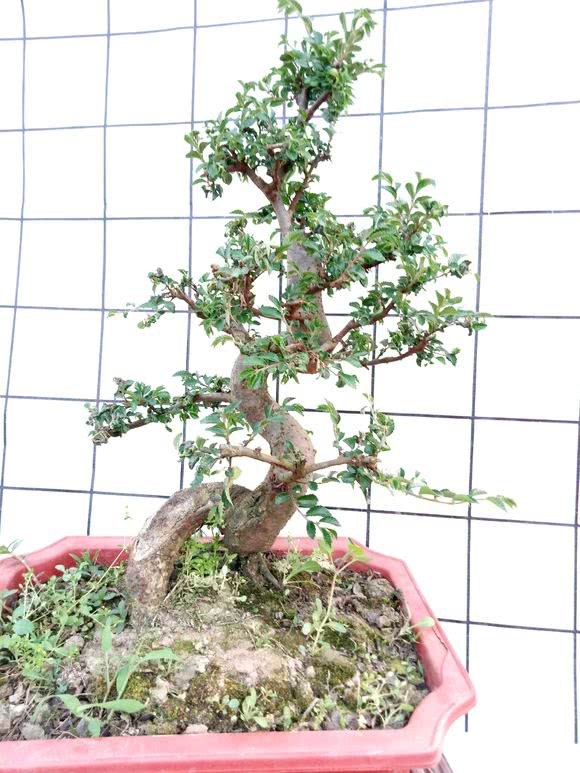
Common boxwoods used for bonsai include Chinese boxwood (Buxus sinica), the small-leaved boxwood with leaves like a sparrow's tongue (Buxus bodinieri), and pearl boxwood. Chinese boxwood leaves are shaped like melon seeds, so it is also called melon-seed boxwood, and its branches and leaves are fine, dense, and compact; Buxus bodinieri has narrow, long leaves shaped like a sparrow's tongue, with an elegant and delicate posture; pearl boxwood has even smaller leaves and mostly grows in high mountain areas, with unusual and ancient-looking trunks. Different varieties each have their own features in leaf shape and growth vigor, and you can choose according to your personal preference and care conditions.
Boxwood likes a warm, humid, semi-shaded environment and can also tolerate a certain amount of shade. In summer, avoid long periods of direct exposure to the scorching sun. Watering should follow the principle of watering when dry and letting it dry between waterings, keeping the potting soil moist but not waterlogged. During the peak growing season, apply light fertilizer frequently to encourage new branches and tender leaves. Potted boxwood has limited cold tolerance, so in northern regions it is best to move it indoors in winter or take cold-protection measures.
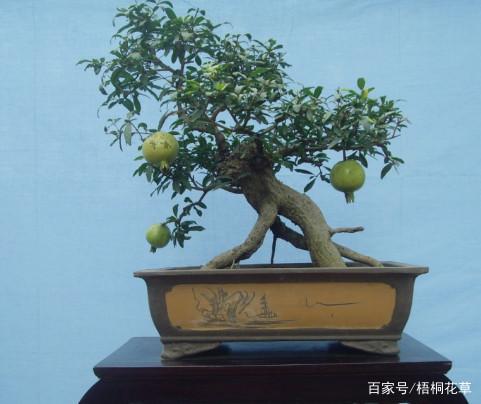
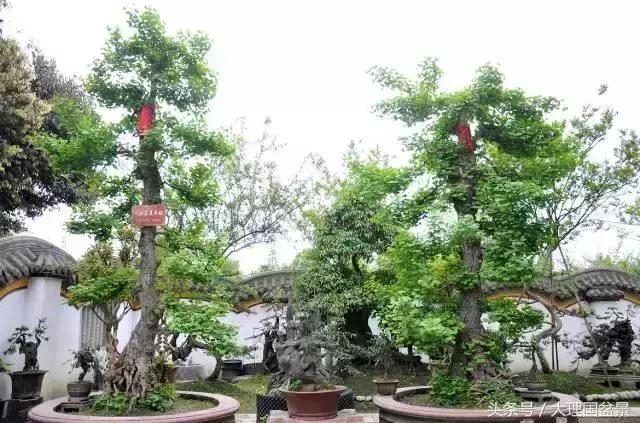
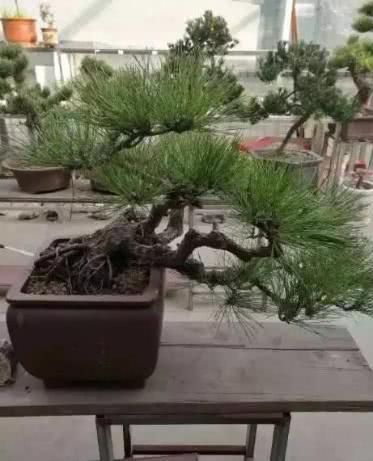
Boxwood grows slowly and has a long lifespan, and a bonsai often takes many years of cultivation to take shape. In styling, wiring and pruning are generally combined, proceeding step by step, and one must never be impatient for quick results. A finished plant has evergreen branches and leaves and an ancient-looking tree form, suitable for display in courtyards, halls, or on a desk. The longer it is cared for, the more aged and elegant it becomes, and this is also why boxwood bonsai is so widely favored.
Related Reading