Characteristics, Classification and Daily Care Methods of Flowering Bonsai
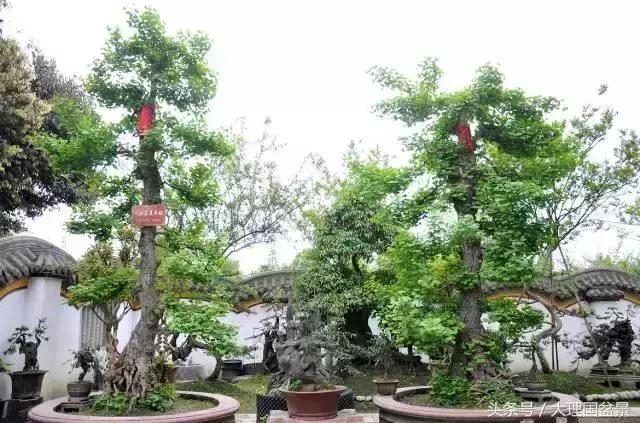
Flowering bonsai uses flowers and trees as its main materials, cultivated in pots after artistic processing such as pruning, wiring and shaping to become ornamental works of art. It condenses natural scenery into a tiny space, and is often described as a three-dimensional painting or a silent poem, combining the dual qualities of horticultural cultivation and artistic creation.
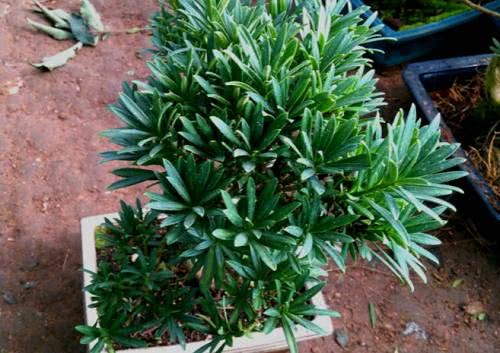
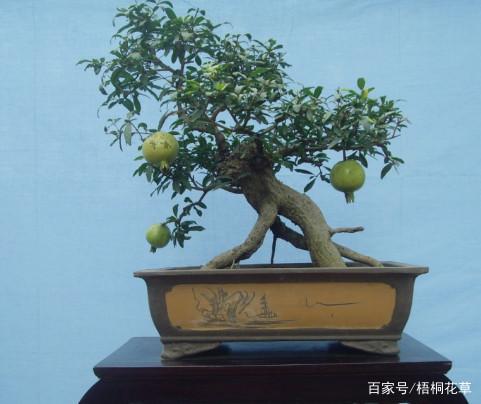
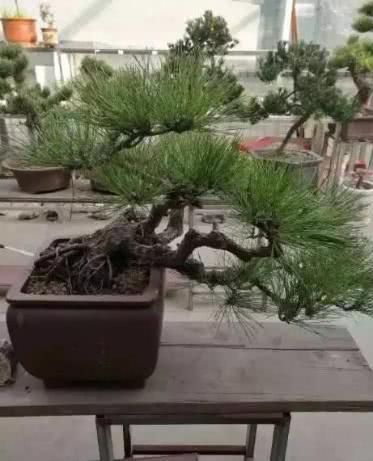
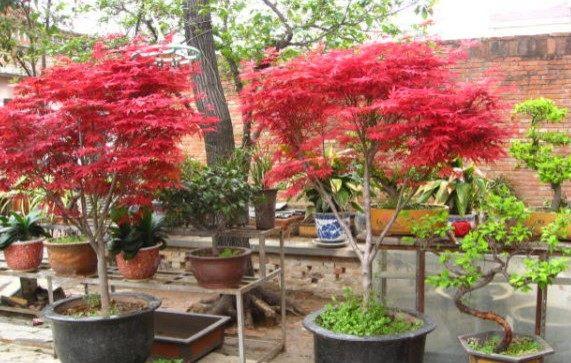
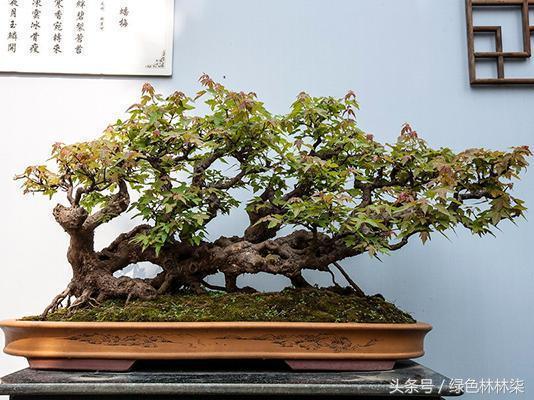
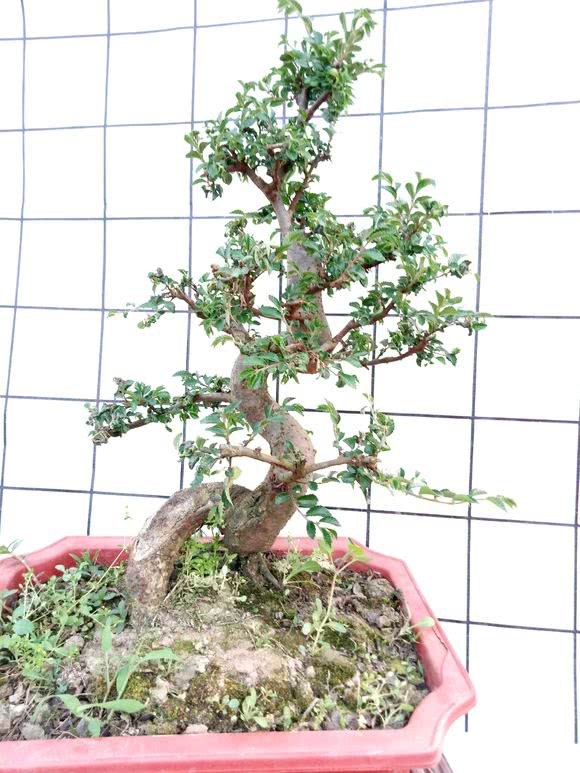
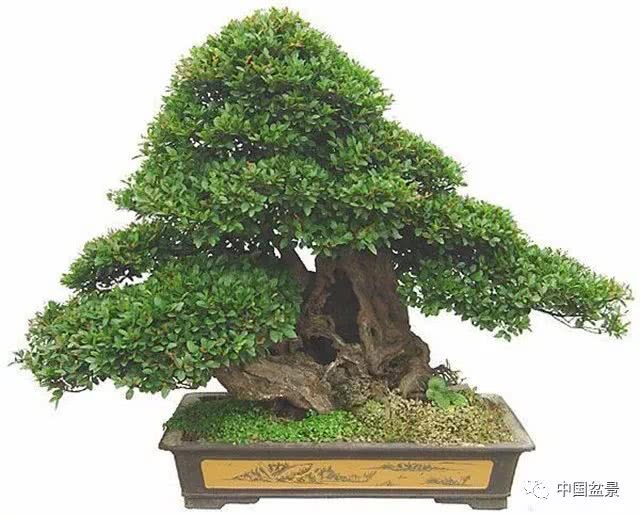
In terms of types, flowering bonsai can be roughly divided into categories such as trunk bonsai, flower-and-fruit bonsai and landscape bonsai. Trunk bonsai mostly uses woody plants such as Buddhist pine (Podocarpus macrophyllus), pines and cypresses, and elm as materials, emphasizing the rugged and ancient posture of the branches and trunk; flower-and-fruit bonsai, on the other hand, selects flowering and fruiting plants such as plum blossom, crabapple and pomegranate, highlighting the ornamental effect of flower color and fruit, each with its own charm.
For care, light and watering should be arranged according to the habits of the plant. Most bonsai plants prefer a well-ventilated environment with ample light, and watering should follow the principle of watering when dry and stopping when wet, avoiding long-term water accumulation in the pot. During the growing season, apply light fertilizer frequently, and at the same time maintain the shape through bud pinching, pruning and wiring, repotting and changing the soil every one or two years to keep the root system growing healthily.
Compared with ordinary potted plants, bonsai places more emphasis on the overall artistic conception and shaping skill. Beginners can start with varieties that are easy to grow and easy to prune, and gradually master basic techniques such as trunk chopping and wiring. A finished flowering bonsai often requires many years of cultivation and refinement; it can both decorate a courtyard or living room and is often regarded as an artistic work with collectible value.
Related Reading