A Full Analysis of the Characteristics of Black Bone Tea Bonsai and Everyday Care Tips
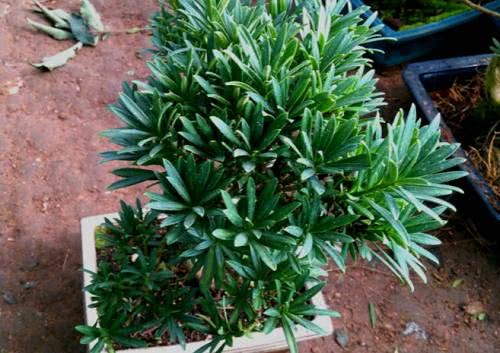
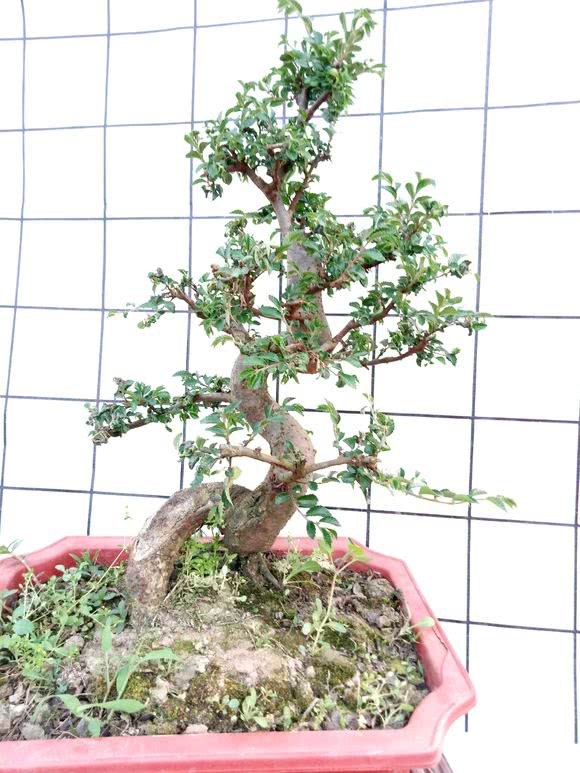
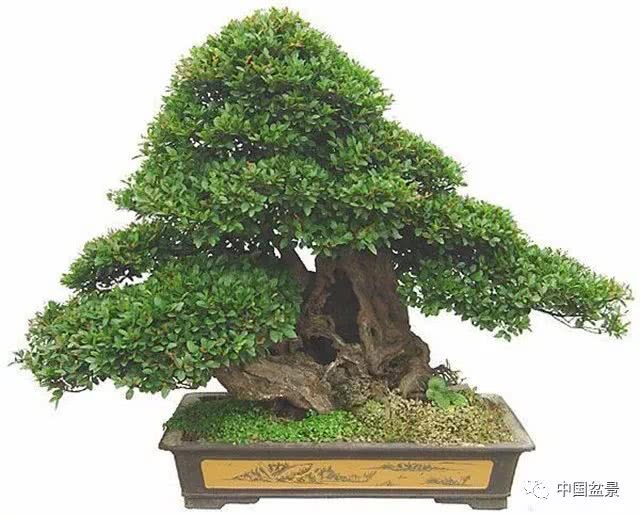
Black bone tea bonsai is a type of ornamental bonsai cultivated and created using black bone tea as the material, and it is especially popular in the Lingnan region. The bark of black bone tea is deep black and the wood is hard, the leaves are small and glossy, and since it grows slowly, it is easy to develop an aged, antique-looking tree form, so it is widely recognized as an excellent bonsai material.
This kind of stock material has strong sprouting ability and tolerates pruning, and it can be shaped into many forms through techniques such as wiring and trunk chopping with branch cultivation. Because it grows slowly, a finished work often takes many years to refine, and the older the stock and the more complete its framework, the more precious it appears. Once formed, the branch pads are compact and the crown is natural, giving the whole tree a calm and elegant look with a strong flavor of Lingnan bonsai.
In terms of care, black bone tea prefers a warm and humid climate, likes light and also tolerates slight shade, so it should be placed in a ventilated, sunny spot in daily care. Watering should follow the principle of watering when dry and letting it dry somewhat between waterings, keeping the potting soil moist but never waterlogged, and during the peak growing season a dilute fertilizer can be applied frequently in small amounts. Its cold tolerance is limited, so in northern regions it needs to be moved indoors after winter begins or given protective measures to avoid frost damage.
In actual care, the common problems are mostly related to branch loss and yellow leaves, and most are caused by root rot from waterlogging, insufficient light, or sudden environmental changes. Once noticed, the placement should be adjusted promptly and water and fertilizer management improved. Overall, black bone tea bonsai has both ornamental and collectible value, and it is suitable for patient enthusiasts to cultivate over the long term, becoming more charming the longer it is grown.
Related Reading