Sea rose is a salt-tolerant ornamental plant that grows on coastal rocks
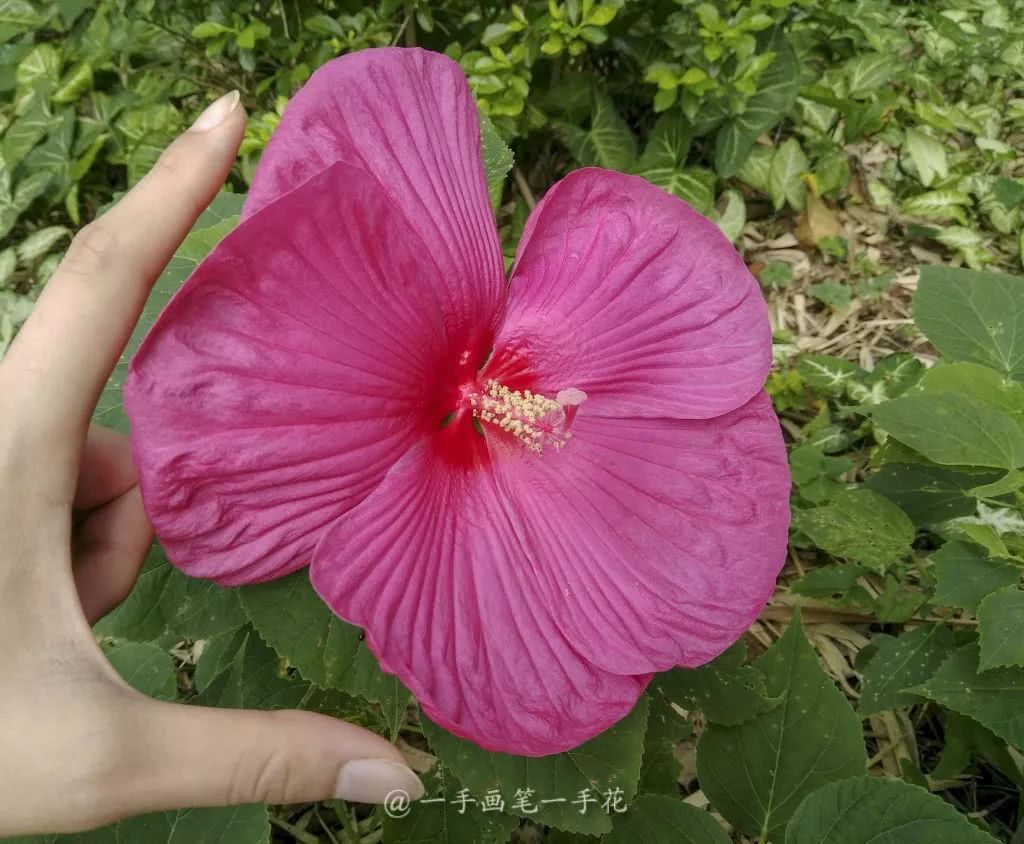
Sea rose is a plant that grows by the sea, mainly distributed on the coastal rocks and islands of southeast China, and it gets its name because it has long grown in seaside habitats and its plant form somewhat resembles the hibiscus. It is not the same kind of plant as the cotton rose (Hibiscus mutabilis) of the Malvaceae family commonly seen in gardens; they are merely similar in name, and many people easily confuse the two.
Unlike the cotton rose, which prefers a warm and humid environment, sea rose endures the assault of sea winds and salt spray all year round, developing traits of salt tolerance, drought tolerance and wind resistance. It likes a spot with ample sunlight and good drainage, and mostly takes root in crevices between rocks, sustaining growth on sea mist and rainfall alone, so it is highly adaptable.
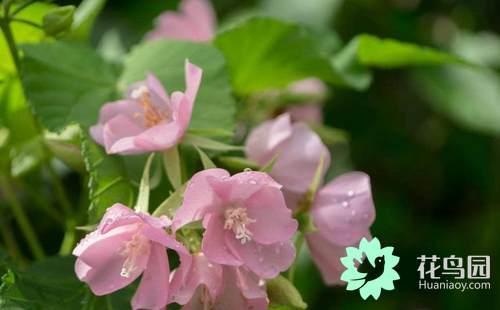
In terms of uses, sea rose is both a distinctive ornamental plant in coastal areas and a medicinal plant commonly used in folk medicine. Its flowers are delicately colored, usually pale purple or nearly white, opening in clusters, making it suitable for coastal landscaping or for growing as a potted plant for appreciation; there is also a folk tradition of steeping its rhizomes in medicinal liquor, but medicinal use should be carried out under professional guidance and it should not be gathered and eaten on one's own.
It should be noted that wild sea rose mostly grows on rocks, making it difficult to dig up, and because its habitat is affected by human activity, wild resources have declined somewhat, and some areas have begun artificial cultivation. If you want to grow it, choose a spot that is well ventilated and sunny with smooth drainage to avoid waterlogging and root rot; routine care can be relatively simple.
Related Reading